


A sudden toothache, broken tooth, swelling, or dental injury can happen without warning. Knowing whether a problem requires urgent dental attention can help you act quickly and avoid unnecessary complications.

Emergency dentistry in Brampton provides prompt assessment for dental problems such as severe tooth pain, dental trauma, swelling, infections, broken teeth, and knocked-out permanent teeth. While some dental concerns can wait for a routine appointment, certain symptoms should be evaluated as soon as possible.
This guide explains what qualifies as a dental emergency, what you can do before reaching a dentist, what to expect during an emergency dental visit, and when to seek immediate care.
Meet Dr. Afshan Ahmed, DDS
Dr. Afshan Ahmed is a dentist at Revita Dentistry in Brampton. According to the practice website, she is a graduate of the National Dental Examination Board of Canada and a member of the Royal College of Dental Surgeons of Ontario. Her approach emphasizes patient education, personalized treatment planning, and patient-centred care.
What Is a Dental Emergency?
A dental emergency is a dental problem that needs prompt professional assessment because of significant pain, injury, bleeding, swelling, infection, or potential damage to a tooth or surrounding tissues.
Common dental emergencies include:
- Severe or persistent tooth pain
- A knocked-out permanent tooth
- A severely broken or cracked tooth
- Facial or gum swelling
- A dental abscess
- Uncontrolled oral bleeding
- A loose or displaced adult tooth
- A lost crown or filling
- Dental injuries involving the teeth or gums
Revita Dentistry’s emergency dental service identifies severe toothaches, swelling, abscesses, fractured or dislodged teeth, soft-tissue injuries, bleeding, sudden jaw pain, and damaged restorations as conditions that may require priority care.
Not every dental problem is an emergency. However, when pain is severe, swelling is increasing, or an injury has damaged a tooth, delaying an examination may allow the underlying problem to become more complicated.
Common Dental Emergencies That Need Prompt Attention
Severe Toothache
Intense or persistent tooth pain can be associated with deep decay, inflammation, infection, a damaged tooth, or problems affecting the inner part of the tooth.
Pain that continues, becomes worse, interferes with sleep, or occurs with swelling should be assessed by a dentist rather than repeatedly managed at home.
Knocked-Out Tooth
A knocked-out permanent tooth requires particularly prompt attention. Handle the tooth carefully by the crown rather than the root and keep it moist while arranging urgent dental care.
Do not scrub the root or delay treatment unnecessarily. A dentist can determine whether the tooth may be repositioned or whether another treatment is required.
Broken or Cracked Tooth
A fractured tooth can expose sensitive internal structures and may become more vulnerable to additional damage. Save any broken fragments if possible and avoid chewing on the affected side until the tooth has been assessed.
Depending on the extent of damage, treatment may involve restoring or protecting the tooth.
Dental Abscess and Swelling
An abscess is an infection that can cause pain, swelling, tenderness, or drainage. Swelling around a tooth or gum should not be ignored, particularly when it is increasing or accompanied by other concerning symptoms.
Prompt assessment can help identify the source of the infection and determine the appropriate treatment.
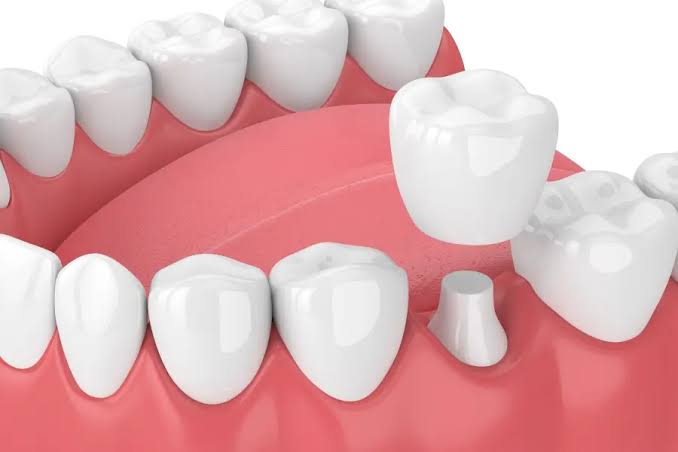
Lost Crown or Filling
A missing filling or crown can leave the underlying tooth exposed and vulnerable. Keep the restoration if you find it, avoid hard or sticky foods around the area, and arrange dental care.
When Should You See an Emergency Dentist in Brampton?
Consider seeking prompt dental assessment if you experience:
- Severe or worsening tooth pain
- Significant gum, jaw, or facial swelling
- A dental abscess
- Uncontrolled oral bleeding
- A knocked-out permanent tooth
- A severely cracked or broken tooth
- A loose or displaced adult tooth
- Significant dental trauma
- Symptoms suggesting an oral infection
The type of treatment required depends on the cause and severity of the problem. Emergency treatment does not automatically mean tooth extraction. Depending on the diagnosis, a dentist may be able to restore or preserve the affected tooth.
When Is It a Medical Emergency?
Some symptoms require emergency medical attention rather than waiting for a dental appointment.
If you experience difficulty breathing or swallowing, rapidly spreading swelling of the face or neck, or another potentially life-threatening symptom, seek emergency medical care immediately.
What Should You Do Before Reaching a Dentist?
The steps you take immediately after a dental injury can help protect the affected area until you receive professional care.
For severe tooth pain
Rinse your mouth gently and keep the area clean. If food is trapped between teeth, floss carefully. Avoid placing aspirin directly against your gums or tooth.
For a knocked-out permanent tooth
Handle the tooth by the crown rather than the root. Keep it moist and seek urgent professional dental care.
For a broken tooth
Save any broken pieces if possible. Rinse your mouth gently and avoid chewing on the affected side. A cold compress applied externally may help reduce swelling.
For oral bleeding
Apply gentle pressure with clean gauze or cloth. If bleeding remains uncontrolled, seek urgent professional assistance.
What Happens During Emergency Dental Care?
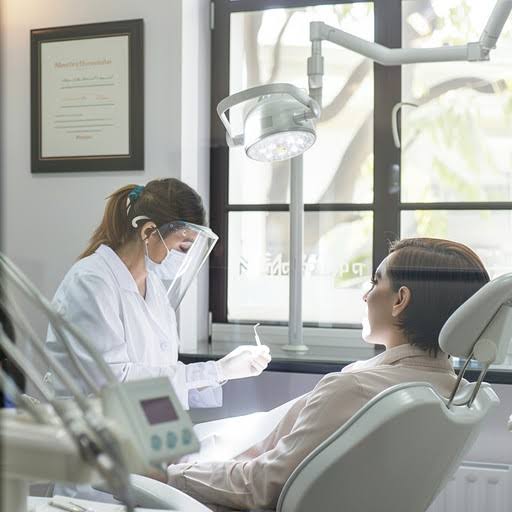
An emergency dental appointment generally begins with an assessment of your symptoms, dental history, and the affected area.
1. Examination
The dentist will ask about your symptoms, when they started, and whether an injury or previous dental treatment may be involved.
2. Diagnostic assessment
Depending on the situation, dental X-rays or other diagnostic tools may be used to evaluate the tooth and surrounding structures.
Revita Dentistry highlights digital radiography and intraoral diagnostic technology as part of its approach to evaluating dental concerns.
3. Treatment planning
Once the cause has been identified, the dentist can explain appropriate treatment options. Depending on the diagnosis, treatment may include a filling, root canal treatment, crown, extraction, restoration repair, or another procedure.
4. Follow-up
Emergency treatment may resolve the immediate problem, but some conditions require additional treatment or monitoring. Following the dentist’s recommendations can help protect your oral health after the emergency has been addressed.
Emergency Dentistry vs. Regular Dental Care
Not every dental concern needs emergency treatment.
Dental concern | Recommended response |
Routine cleaning | Schedule a regular appointment |
Mild sensitivity | Arrange a dental examination |
Small chip without pain | Book a routine or prompt appointment |
Severe toothache | Seek prompt dental assessment |
Facial swelling | Seek urgent dental assessment |
Knocked-out permanent tooth | Seek immediate dental attention |
Significant dental trauma | Seek prompt professional assessment |
Uncontrolled bleeding | Seek urgent care |
If you are uncertain whether your symptoms are urgent, contacting a dental office and explaining what you are experiencing can help determine the appropriate next step.
Why Prompt Treatment Matters
Some dental problems can worsen when treatment is delayed.
Prompt assessment can help:
- Identify the cause of pain or swelling
- Address dental infection
- Protect damaged tooth structure
- Evaluate dental trauma
- Determine whether a tooth can be preserved
- Reduce the risk of further complications
- Establish appropriate follow-up care
The objective of emergency dentistry is not simply to manage symptoms temporarily. A proper assessment helps identify the underlying dental problem so that appropriate treatment can be planned.
Emergency Dentistry at Revita Dentistry in Brampton
Revita Dentistry provides emergency dental care for patients experiencing urgent concerns such as severe tooth pain, swelling, dental trauma, broken teeth, abscesses, and damaged restorations.
The practice states that it aims to accommodate same-day emergency appointments whenever possible, with urgent cases prioritized according to the situation and available schedule. Walk-in patients may also be accommodated when the schedule permits.
Revita Dentistry provides diagnostic and treatment services within the same practice, including root canal therapy, dental fillings, crowns, and extractions. This can help patients move from emergency assessment to appropriate follow-up treatment without unnecessarily separating their care.
The clinic is located at:
10 Beaumaris Drive, Unit 12
Brampton, Ontario L6T 0H1
Revita Dentistry also states that it accepts the Canadian Dental Care Plan (CDCP) and most major dental insurance plans, with coverage depending on individual eligibility and plan details.
How to Reduce the Risk of Dental Emergencies
Not every dental emergency can be prevented, but good oral-health habits can reduce certain risks.
- Brush twice daily with fluoride toothpaste.
- Clean between your teeth regularly.
- Attend routine dental examinations.
- Don’t use your teeth to open packages or containers.
- Avoid chewing extremely hard objects.
- Wear an appropriate mouthguard during contact sports.
- Have recurring tooth sensitivity or pain evaluated.
- Address damaged fillings, crowns, or teeth before they become more serious.
Preventive dental care is particularly important because small problems can sometimes be easier to manage before they develop into urgent conditions.
Frequently Asked Questions
What qualifies as a dental emergency?
Severe tooth pain, significant swelling, a dental abscess, uncontrolled bleeding, a knocked-out permanent tooth, serious dental trauma, or a severely damaged tooth may require urgent assessment. If you are uncertain, contact a dental professional and explain your symptoms.
What should I do if my permanent tooth is knocked out?
Handle the tooth by the crown rather than the root, keep it moist, and seek urgent dental care. Avoid scrubbing the root. Prompt professional assessment is important after a permanent tooth has been completely displaced.
Does severe tooth pain always require emergency dental care?
Not every toothache is an emergency, but severe, persistent, or worsening pain should be assessed promptly. Pain accompanied by swelling, infection symptoms, or difficulty functioning normally warrants particular attention.
Will I automatically need an extraction during an emergency visit?
No. Extraction is not automatically required. Depending on the diagnosis and condition of the tooth, treatment may include a filling, root canal therapy, crown, restoration, or another procedure designed to preserve the natural tooth when possible.
Need Emergency Dentistry in Brampton?
A sudden dental problem can be painful and stressful, but getting the right assessment can help you understand what is happening and what treatment may be appropriate.
If you are experiencing severe tooth pain, swelling, a broken or knocked-out tooth, dental trauma, or another urgent concern, contact Revita Dentistry for an emergency dental assessment.
Revita Dentistry
10 Beaumaris Drive, Unit 12
Brampton, Ontario L6T 0H1
Phone: (905) 458-9989
Contact Revita Dentistry to discuss your dental emergency and determine the appropriate next step.