
Toothache and Sensitive Teeth Treatment in Brampton
A toothache or sudden sensitivity can make eating, drinking, brushing, and sleeping uncomfortable. Revita Dentistry provides thoughtful assessment and personalized care to identify what is affecting your tooth, gums, or bite.
If you need toothache treatment in Brampton, our team can help you understand the cause of your symptoms and recommend the appropriate next step.

Toothache vs. Tooth Sensitivity
Toothache and sensitivity are related symptoms, but they can feel different and may have different causes.
A toothache may feel throbbing, sharp, dull, or pressure-related. It can become more noticeable when you bite, lie down, or eat and drink. Sometimes the discomfort is easy to locate; other times, it may be difficult to tell which tooth is causing it.
Tooth sensitivity is usually a brief, sharp sensation caused by cold air, hot drinks, sweet foods, acidic items, or brushing. It can develop when enamel wears down, gum tissue recedes, or a tooth has a crack, cavity, or damaged restoration.
A dental examination is the best way to determine why a symptom is happening and which treatment may help.
Common Causes of Toothaches and Sensitive Teeth
Dental discomfort can have several causes, including:
- Tooth decay : A cavity can extend beyond the enamel and irritate the inner tooth structure.
- Cracked, chipped, or worn teeth : Damage may expose sensitive layers or make biting uncomfortable.
- Gum recession : Receding gums can expose the tooth root, which is more sensitive to temperature changes.
- Gum disease : Inflamed gum tissue may cause tenderness, bleeding, and discomfort around a tooth
- Damaged fillings or crowns : A worn, loose, or broken restoration can leave part of the tooth less protected.
- Teeth grinding or clenching : Repeated pressure may wear enamel and strain the teeth and jaw.
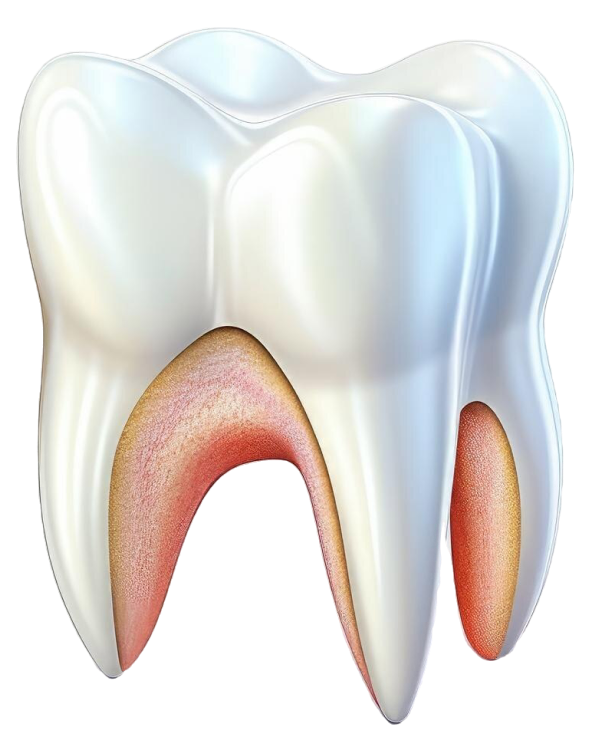
- Dental infection : Deep decay or trauma can affect the dental pulp inside a tooth and require prompt care.

When to Seek Urgent Dental Care
Contact Revita Dentistry promptly if you experience:
- Severe, worsening, or persistent pain
- Swelling in the gums, jaw, cheek, or face
- A broken, cracked, loose, or knocked-out tooth
- Fever or feeling generally unwell alongside dental pain
- Bleeding that does not stop after an injury
- A lost filling or crown that leaves a tooth painful or exposed
- Pain that interferes with sleeping, eating, or normal daily activities
If swelling affects breathing or swallowing, call 911 or seek emergency medical care immediately.
For severe symptoms or a dental injury, contact us for emergency dental care in Brampton. Call our team to ask about same-day appointment availability.
Diagnosis and Treatment Options
Your visit begins with a conversation about your symptoms, including when they started, what triggers them, and whether they have changed. Your dentist will examine the affected area, assess your bite and surrounding gum tissue, and may recommend X-rays when they are needed to view areas beneath the surface.
Your treatment will depend on the diagnosis. Options may include:
- Dental fillings to repair cavities or replace a damaged restoration Bonding, a crown, or other protective treatment for a cracked, weakened, or worn tooth
- Bonding, a crown, or other protective treatment for a cracked, weakened, or worn tooth
- Gum care when recession or gum disease is contributing to exposed roots
- Desensitizing care and fluoride-based recommendations for enamel wear or exposed dentin
- A fitted appliance to reduce pressure from clenching and grinding
- Root canal treatment to repair cavities or replace a damaged restoration Bonding, a crown, or other protective treatment for a cracked, weakened, or worn tooth
If decay or a worn restoration needs repair, learn more about tooth-coloured , dental fillings.
The aim is to address the condition behind the symptom—not simply provide short-term relief.
What to Do Before Your Appointment
Your visit begins with a conversation about your symptoms, incluUntil you are seen, these steps may help avoid aggravating the area:ding when they started, what triggers them, and whether they have changed. Your dentist will examine the affected area, assess your bite and surrounding gum tissue, and may recommend X-rays when they are needed to view areas beneath the surface.
Your treatment will depend on the diagnosis. Options may include:
- Brush gently with a soft-bristled toothbrush and fluoride toothpaste.
- Choose lukewarm foods and drinks if hot or cold temperatures trigger discomfort.
- Avoid chewing on the painful side of your mouth.
- Limit sugary and acidic foods and drinks
- Floss carefully around the area to remove trapped food, unless it causes sharp pain or follows an injury.
- Do not place aspirin or other medication directly on a tooth or gum tissue.
If clenching or grinding is contributing to repeated tooth wear, a professionally made appliance may help protect your smile. Learn more about custom mouth guards.
Why Choose Revita Dentistry
At Revita Dentistry, your care starts with listening to your concerns and identifying the source of the problem. Our Brampton team takes a calm, patient-focused approach and explains your findings and treatment options clearly.
From early decay and enamel wear to cracked teeth and more complex concerns, we provide practical care designed to support comfort, function, and the long-term health of your smile.
Pain may lessen temporarily, but the underlying cause—such as decay, a crack, gum inflammation, or infection—may still require treatment. Book an examination if the symptom persists, returns, or worsens.
No. Sensitivity may also be related to enamel wear, gum recession, clenching, a cracked tooth, or a recent dental procedure. An examination can identify the cause.
Pain when biting can be associated with a crack, decay, a damaged filling, infection, or bite pressure. It should be assessed, especially if it is becoming more frequent.
Yes. Grinding and clenching can wear down enamel and place repeated pressure on teeth and jaw muscles. A custom night guard may be recommended after an assessment.
Not every painful tooth needs root canal treatment. Your dentist will recommend it only when the dental pulp is significantly inflamed or infected and the treatment is appropriate for saving the tooth.
Book an appointment if sensitivity is new, occurs often, affects one area, worsens over time, or makes eating and drinking uncomfortable.
- FREQUENTLY ASKED QUESTIONS
- VISIT OUR CLINIC IN BRAMPTON
Find Relief From Tooth Pain and Sensitivity
Do not ignore ongoing pain or sensitivity. Revita Dentistry can identify the cause, explain your options, and provide personalized care for a healthier, more comfortable smile.