
Routine Oral Exams & Oral Cancer Screening in Brampton
Routine Oral Exams & Oral Cancer Screening in Brampton
Revita Dentistry provides routine oral exams and oral cancer screening in Brampton to help you maintain a healthy smile. Our dental team carefully examines your teeth, gums, and oral tissues to identify potential concerns early and support your long-term oral health through preventive care.
What Is an Oral Exam?
An oral exam is a detailed evaluation of your mouth, teeth, gums, and surrounding structures. It is more than simply looking at your teeth for cavities.
During a dental examination in Brampton, your dentist may assess your teeth for decay, cracks, sensitivity, worn fillings, crowns, or other restorations. Your gums are checked for signs of gingivitis and periodontal disease, while your bite and jaw movement may also be evaluated.
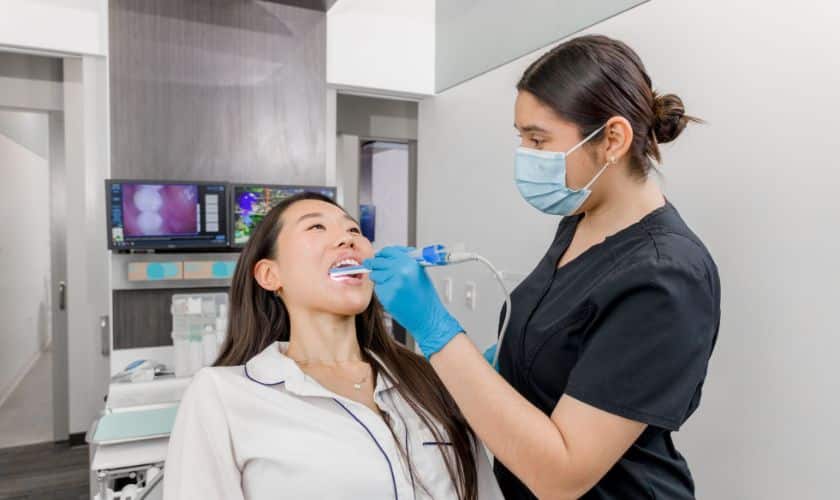
Your dentist may also examine the soft tissues of your mouth, including your cheeks, tongue, gums, palate, and other areas. This helps identify changes that may need attention.
Depending on your age, dental history, symptoms, and risk factors, digital dental X-rays may also be recommended.
Why Regular Oral Exams Matter
Many dental problems do not cause noticeable symptoms in their early stages. You may have a small cavity, early gum disease, or a damaged restoration without feeling any pain.
Regular dental exams allow your dentist to look for these concerns before they become more difficult to manage.

Early Detection of Tooth Decay
Small cavities are often easier to treat than advanced tooth decay. Finding decay early may help preserve more of your natural tooth structure.

Monitoring Gum Health
Bleeding or swollen gums can be early signs of gingivitis or periodontal disease. Regular examinations allow your dental team to monitor changes and recommend appropriate care.

Checking Existing Dental Work
Fillings, crowns, bridges, and other restorations do not necessarily last forever. Your dentist can check whether existing dental work remains healthy and functional.

Checking Your Bite and Jaw

Looking for Unusual Tissue Changes
An oral cancer screening checks the mouth and surrounding tissues for changes that may require further evaluation.

Supporting Preventive Care
Regular examinations also give you an opportunity to discuss brushing, flossing, dental hygiene, diet, and other ways to protect your oral health.
What's Included in a Comprehensive Dental Exam?
Every appointment is personalized according to your needs. Depending on your oral health and dental history, your examination may include several different assessments.
Comprehensive Tooth Examination
Your dentist examines your teeth for visible decay, cracks, enamel damage, tooth wear, sensitivity, and problems with existing fillings, crowns, bridges, or other restorations. Your bite may also be checked to see whether your teeth are coming together properly.
Gum Health Evaluation
Your gums are examined for redness, swelling, bleeding, recession, and other signs of gingivitis or periodontal disease. If needed, your dentist may assess the spaces around your teeth to look for signs of gum and bone loss.
Digital Dental X-Rays
X-rays can provide information that cannot always be seen during a visual examination. Depending on your situation, they may help identify hidden cavities, impacted teeth, bone changes, infections, or other concerns below the gumline.
Bite and TMJ Assessment
Your dentist may evaluate how your teeth meet and how your jaw moves. Signs such as excessive tooth wear, jaw discomfort, clicking, or difficulty opening and closing your mouth may indicate that further assessment is appropriate.
Oral Cancer Screening
Your dentist examines the soft tissues of your mouth for unusual changes such as persistent sores, red or white patches, lumps, or areas that look different from the surrounding tissue.
What Is an Oral Cancer Screening?
An oral cancer screening is a visual and physical examination of the mouth and surrounding areas to look for unusual changes.
During the screening, your dentist may examine your lips, cheeks, gums, tongue, palate, and other oral tissues. The head and neck area may also be assessed for abnormalities such as swelling or lumps.
A screening does not mean that you have cancer. Its purpose is to identify changes that may need further investigation.
If your dentist notices an area that appears unusual or does not heal as expected, they may recommend monitoring it, further testing, or referral to an appropriate healthcare professional. A biopsy may be required in some situations to determine the cause of an abnormal tissue change.

Oral Cancer Risk Factors
Oral cancer can affect different people for different reasons. Some factors can increase the risk, including:
- Smoking or tobacco use
- Regular alcohol consumption
- Vaping
- Certain types of HPV infection
- Increasing age
- A family history of certain cancers
- Previous history of oral or head and neck cancer
Having a risk factor does not mean that you will develop oral cancer. Likewise, someone without obvious risk factors can still develop oral health abnormalities.
That is why regular examinations and awareness of changes in your mouth are important.
Signs You Should Schedule an Oral Exam
You do not need to wait until you have severe tooth pain to see your dentist.
Consider scheduling an oral examination if you notice:
- Tooth sensitivity
- Bleeding gums
- Persistent bad breath
- Loose teeth
- A mouth sore that does not heal
- Jaw pain or discomfort
- Dry mouth
- A broken or damaged filling
- Tooth discoloration
Some of these symptoms can have simple causes, while others may require professional attention. The important thing is not to ignore a change that continues or gets worse.

Oral Cancer Symptoms to Be Aware Of
Many mouth sores and changes are not cancer. However, persistent or unusual changes should be checked by a dental or medical professional.
Possible warning signs can include:
- A persistent mouth ulcer
- White or red patches
- A lump or thickened area
- Unexplained numbness
- Persistent mouth or throat pain
- Difficulty swallowing
- Difficulty chewing
- Unexplained hoarseness
- A lump or swelling in the neck
- Changes that do not heal or disappear
If you notice a change that persists, schedule an examination rather than trying to diagnose the problem yourself.
Why Early Detection Matters
Finding a concerning change early can give you more options for timely evaluation and treatment. When oral cancer is detected at an earlier stage, treatment may be less complex and outcomes are generally better than when it is discovered after it has progressed.
An oral cancer screening is a simple part of a routine dental examination and can provide valuable peace of mind.
Modern Technology for Accurate Diagnosis
At Revita Dentistry, technology supports our dental team in making informed decisions about your care.
Depending on your needs, your examination may include digital X-rays that provide detailed images while supporting efficient diagnosis. An intraoral camera can also help your dentist capture close-up images of areas inside your mouth and explain findings to you more clearly.
Magnification can assist with a closer examination of teeth and oral tissues, while electronic patient records help our team maintain organized information about your dental history and treatment.
We also follow appropriate cleaning, disinfection, and sterilization procedures to support a safe clinical environment.
Technology is not a replacement for professional judgment. Instead, it gives your dental team additional information to help understand your oral health and recommend appropriate care.
Preventive Dentistry Starts With Regular Exams
Preventive dentistry is about dealing with potential problems before they become emergencies.
A regular dental examination can help identify concerns while they are still manageable. In some cases, early treatment may mean a smaller restoration instead of more extensive dental work later.
Regular exams can also help you maintain healthier gums, preserve natural teeth, monitor existing dental work, and reduce the likelihood of unexpected dental problems.
Your preventive care may include dental examinations, professional cleanings, fluoride recommendations, oral hygiene guidance, dietary advice, and personalized treatment recommendations.
The right schedule depends on your oral health, age, dental history, and risk factors.

What Happens During Your Appointment?
1. Medical and Dental History Review
We begin by reviewing your health history, medications, dental concerns, and previous treatment.
2. Dental Examination
Your dentist examines your teeth, gums, bite, jaw, and oral tissues.
3. Digital X-Rays When Needed
X-rays may be recommended when your dentist needs additional information that cannot be obtained through a visual examination.
4. Oral Cancer Screening
Your mouth and surrounding tissues are checked for unusual changes.
5. Discussing Your Findings
Your dentist explains what was found and answers your questions in clear, easy-to-understand language.
6. Personalized Prevention Plan
If treatment or preventive care is recommended, we explain your options and help you understand the next steps.
7. Planning Your Next Visit
Depending on your needs, we can recommend an appropriate recall schedule and coordinate your next dental cleaning or examination.
Oral Exams for the Whole Family
Dental examinations are important at every stage of life.
Children benefit from regular checkups because their teeth and jaws are developing rapidly. Early visits can also help identify cavities, oral hygiene concerns, and developing bite problems.
Adults can use routine exams to monitor tooth decay, gum health, restorations, tooth wear, and other changes.
Seniors may need closer monitoring because changes in medications, dry mouth, gum health, existing dental work, and other age-related factors can affect oral health.
At Revita Dentistry, we provide family-focused dental care in Brampton with an emphasis on prevention and long-term oral health.
Why Brampton Families Choose Revita Dentistry
Choosing a dental practice is about more than finding an appointment. You want a team that listens, explains your options, and makes you feel comfortable asking questions.
At Revita Dentistry, we focus on personalized and preventive dental care for families in Brampton.
Patients can benefit from:
- An experienced dental team
- Family-friendly dental care
- Modern digital diagnostic technology
- Comfortable treatment environment
- Flexible appointment options
- Modern infection-control and sterilization procedures
- Direct insurance billing where applicable
- CDCP-related dental care options where eligible
We welcome patients from Bramalea, Springdale, Heart Lake, Fletcher’s Creek, Fletcher’s Meadow, Castlemore, Downtown Brampton, and surrounding communities.
Related Dental Services
Your oral examination may identify a need for additional preventive or restorative care. Depending on your needs, our team can help you explore services such as:
- Dental Cleaning – Professional removal of plaque and tartar to support healthy teeth and gums.
- Gum Disease Treatment – Care for gingivitis and periodontal health concerns.
- Dental Fillings – Treatment for cavities and damaged areas of teeth.
- Root Canal Therapy – Treatment designed to address infection inside a tooth and help preserve the natural tooth.
- Emergency Dentistry – Prompt assessment when you experience sudden dental pain, injury, swelling, or another urgent concern.
- Family Dentistry – Dental care for patients at different stages of life.
- Pediatric Dentistry – Preventive and restorative care designed around children’s developing smiles.
- Tooth Extractions – Removal of teeth when a tooth cannot be safely preserved.
- Dental Crowns – Restoration for teeth that need additional strength and protection.
- Preventive Dentistry – Personalized care designed to reduce the risk of future dental problems.
A routine oral examination can vary depending on your dental history and individual needs. A straightforward checkup may be relatively quick, while a new-patient examination or appointment requiring X-rays and additional assessments may take longer. Your dental team will explain what is included and allow time to discuss any concerns you may have.
No. Dental X-rays are not automatically required at every appointment. Your dentist considers factors such as your age, dental history, symptoms, previous X-rays, and current oral health before recommending imaging. Digital X-rays may be suggested when they can provide useful information about areas that cannot be fully assessed through a visual examination.
If your dentist notices an unusual area, they will discuss the finding with you and explain the recommended next step. This may involve monitoring the area, additional testing, or referral to an appropriate healthcare professional. A screening alone cannot diagnose oral cancer. Further assessment, and sometimes a biopsy, is needed for diagnosis.
Yes. Oral examinations can include checking the soft tissues of the mouth in patients of different ages. However, the level of assessment depends on the child’s age, medical history, symptoms, and individual risk factors. Regular dental visits are also useful for monitoring children’s teeth, gums, oral development, hygiene, and overall dental health.
Coverage depends on your individual dental insurance plan. Some plans include routine examinations and preventive dental services, while others have specific limits or frequency restrictions. Our team can help you understand the billing process and available options. If you are covered under a government dental program such as CDCP, eligibility and coverage rules may also apply.
There is no single schedule that is right for every senior. The recommended frequency depends on oral health, medications, dry mouth, gum health, existing restorations, dental history, and other risk factors. Some seniors may benefit from more frequent monitoring. Your dentist can recommend an examination schedule based on your individual needs.
Yes. During an oral examination, your dentist can look for signs associated with gum disease, including redness, swelling, bleeding, gum recession, and changes around the teeth. Depending on your condition, your dentist may perform additional gum measurements to assess periodontal health and determine whether further treatment or monitoring is appropriate.
Often, dental examinations and professional cleanings work well together, but they serve different purposes. An exam focuses on evaluating your oral health and identifying problems, while a cleaning removes plaque and tartar that regular brushing cannot completely remove. Your dental team can recommend whether you need a cleaning based on your current oral health.
No. A routine oral cancer screening is generally a simple and non-invasive part of a dental examination. Your dentist visually examines the tissues of your mouth and may gently feel certain areas around your mouth and neck. If an area is painful or unusual, your dentist can take that into account when deciding whether further assessment is needed.
Continue your normal brushing and flossing routine before your appointment. You do not need to make major changes to your mouth before an examination. Bring information about your medications, medical history, dental insurance, and any concerns you have noticed. It is also helpful to tell your dentist about changes such as sensitivity, bleeding, pain, or mouth sores.
The ideal schedule depends on your oral health and individual risk factors. Many patients have routine dental examinations at regular intervals recommended by their dentist. Patients with gum disease, frequent cavities, complex dental work, or other risk factors may need more frequent monitoring. Your dentist can recommend a schedule that fits your needs.
Yes. Some dental problems can develop without causing noticeable symptoms. Early cavities, gum disease, worn restorations, and certain other concerns may not hurt initially. Regular dental examinations give your dentist an opportunity to identify these issues before they become more serious or begin affecting your comfort.
- FREQUENTLY ASKED QUESTIONS
FAQs About Oral Screening
- VISIT OUR CLINIC IN BRAMPTON
Book Your Oral Exam in Brampton
Your mouth can change even when everything feels normal. Regular examinations help you stay informed about your oral health and give you an opportunity to address concerns early.
If you are due for a dental checkup, have noticed a change in your mouth, or simply want to stay on top of your preventive care, contact Revita Dentistry to schedule an oral exam and oral cancer screening in Brampton.
Your healthy smile starts with understanding what is happening today—and taking the right steps for tomorrow.
This version keeps the language natural and patient-friendly, while making the sections easy to scan and the FAQ answers directly answer the questions patients are likely to search for.