
Stained and Discolored Teeth Treatment in Brampton
Stained, yellow, grey, or unevenly coloured teeth can make you feel less at ease when you smile. At Revita Dentistry, we look at the reason for the colour change before recommending care, so the next step supports both your smile and your oral health.
For stained and discolored teeth treatment in Brampton, Revita Dentistry assesses the cause of the colour change and recommends appropriate care.
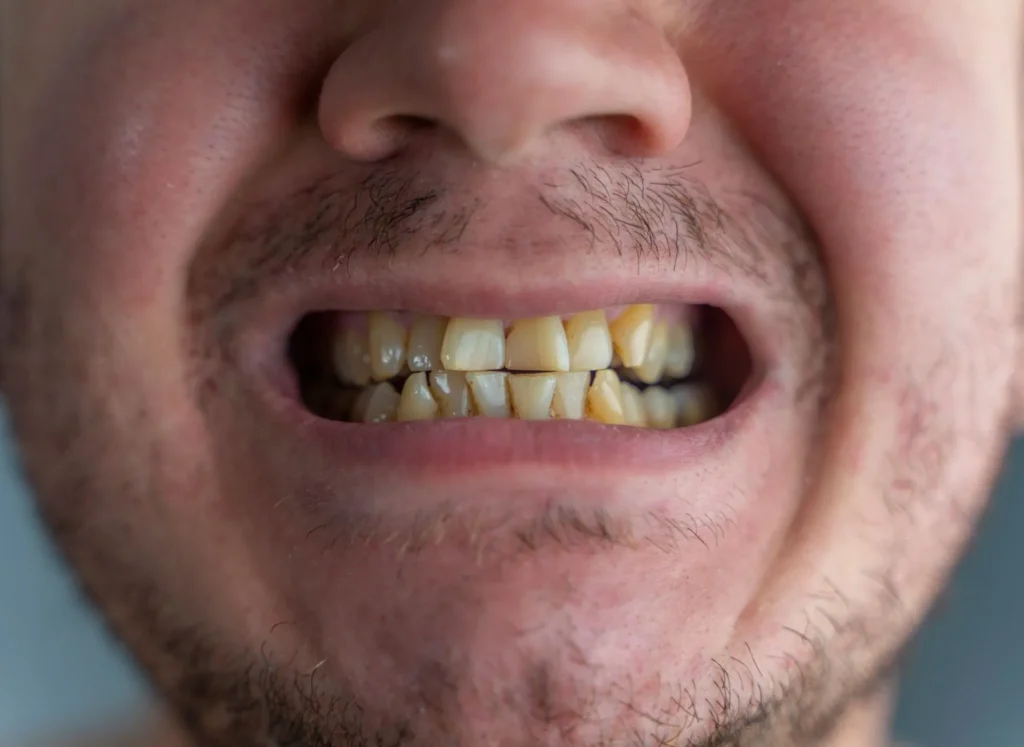
Why Teeth Become Stained or Discoloured
Tooth colour can change on the enamel surface or from inside the tooth. The source, pattern, and severity of the change help determine the appropriate approach.
Common contributors include:
- Coffee, tea, red wine, cola, berries, spices, and tobacco, which can leave pigments on enamel
- Plaque and tartar accumulation that can make teeth appear dull or yellow
- Natural aging, as enamel becomes thinner and the dentin beneath becomes more visible
- Certain medications or developmental changes that affect tooth colour
- Existing crowns, fillings, veneers, or bonding that no longer match the surrounding natural teeth
- Trauma, decay, or internal changes that may make one tooth appear grey, brown, or darker
A healthy smile does not need to be one uniform shade. Our goal is to identify what is affecting the appearance of your teeth and recommend an option that produces a balanced result.
When a Dark or Discoloured Tooth Needs Assessment
A noticeable change in one tooth deserves an examination before cosmetic treatment is considered. A tooth that darkens after an injury can have changes beneath the enamel. Decay, a leaking restoration, or changes to the tooth’s inner tissue may also affect its colour.
Arrange an assessment promptly if a darkened tooth is painful, sensitive, swollen, has a pimple-like bump on the gum, or changed colour after a blow to the mouth.
At your visit, we examine the tooth, gums, bite, and any nearby restorations. X-rays or further care may be recommended before an appearance-focused solution is planned. This lets us address the cause rather than simply mask it.
Treatment Options Based on the Cause
The right treatment depends on whether the concern is surface buildup, natural enamel colour, an existing restoration, or a dental condition that needs care first.
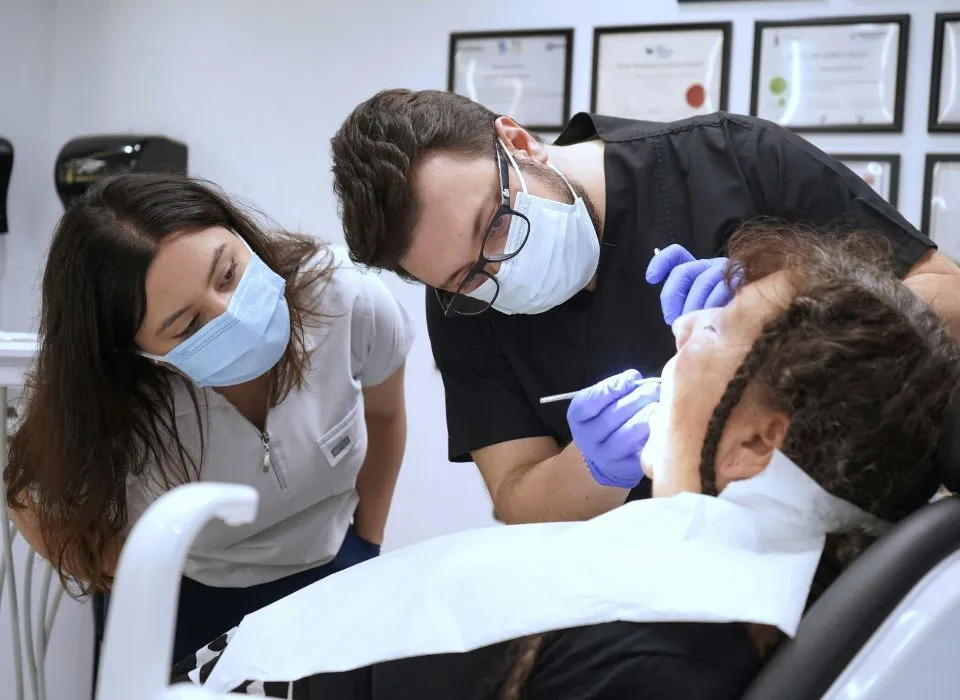
Professional Cleaning and Polishing
When plaque, tartar, and external stains are affecting the brightness of your smile, cleaning and polishing may be the best starting point. This removes buildup from the tooth surface and can reveal the natural shade beneath without altering tooth structure.
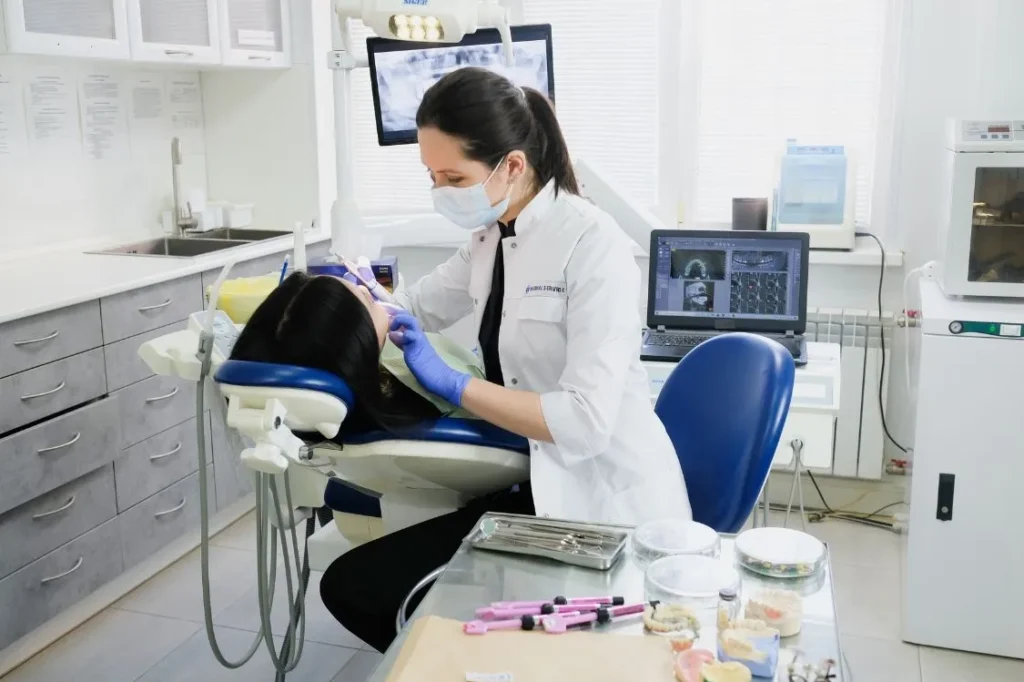
Teeth Whitening
Dentist-supervised whitening may suit healthy natural teeth with colour changes related to food, drinks, tobacco, or aging. It does not change the shade of crowns, fillings, veneers, or bonding, so we consider any visible restorations when planning your result.

Dental Bonding
For a small area of discoloration, a single tooth, or a colour concern alongside a minor chip, tooth-coloured resin may be used to improve the appearance of the area. The material is selected to blend with neighbouring teeth.
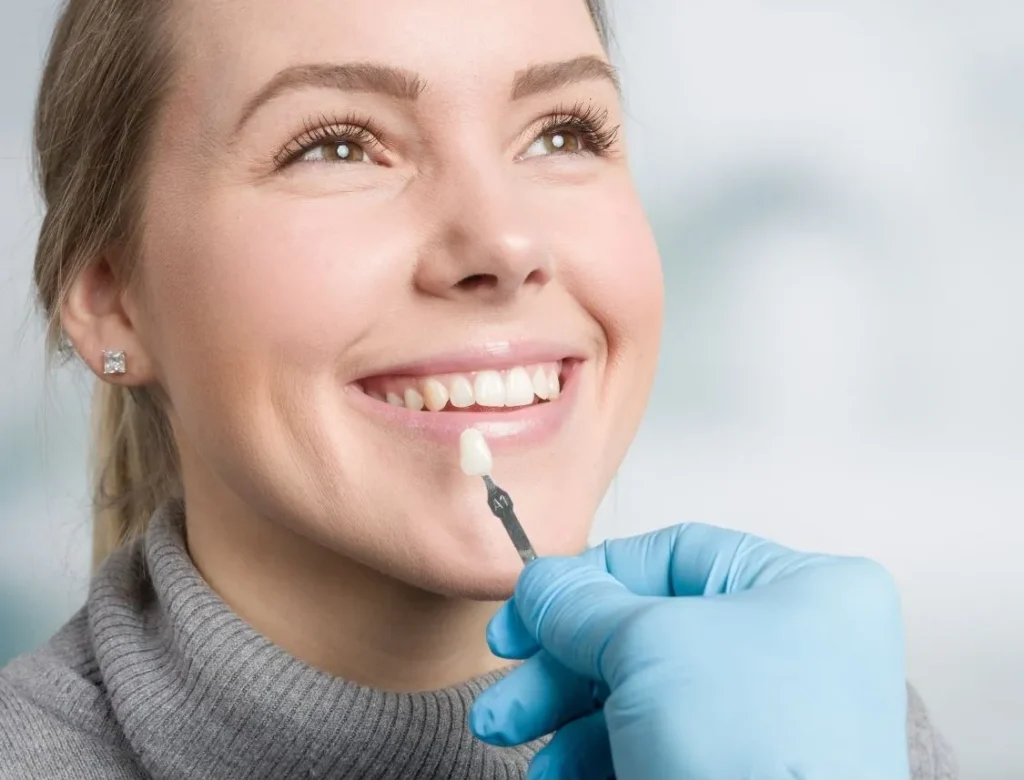
Veneers
Veneers may be an option for deeper colour changes that do not respond predictably to whitening, particularly when you also want to refine the shape, size, or symmetry of visible front teeth. These custom restorations cover the front surface of the tooth and are planned around your facial features and smile goals.

What to Expect at Your Appointment
Your visit starts with a conversation about what you have noticed, when the colour change began, and what you would like to improve. We review your dental history and examine your teeth, gums, and existing dental work.
We then explain the options that fit your circumstances, including what each can realistically change. If whitening is suitable, we discuss the expected improvement and the possibility of temporary sensitivity. If a restoration no longer blends with your surrounding teeth, we explain how that affects the treatment plan.
Before you decide, you will receive clear guidance on the recommended care, timing, expected result, and costs.
It can remove many surface stains and deposits. If the enamel remains darker after cleaning, another cosmetic option may be considered.
One dark tooth may be linked to a past injury, decay, an old restoration, or a change inside the tooth. An examination identifies the reason and whether treatment is needed before cosmetic care.
No. Whitening affects natural tooth enamel only. We can discuss options if a visible restoration no longer matches your teeth.
Tell us about sensitivity at your assessment. We will evaluate your teeth and gums, then recommend an approach that accounts for your comfort and oral health.
Brush twice a day with fluoride toothpaste, clean between your teeth daily, and attend regular dental visits. Limiting tobacco and rinsing with water after dark drinks can also help reduce new stains.
No. Home products may not improve internal colour changes or reveal an underlying dental concern. A professional assessment helps determine whether whitening is appropriate.
- FREQUENTLY ASKED QUESTIONS
- VISIT OUR CLINIC IN BRAMPTON
Ready to Feel Confident About Your Smile Again?
You do not have to guess which option is right for stained or discolored teeth. Revita Dentistry can identify the source of the colour change and create a personalized plan that considers your smile goals and oral health.