
Cracked Tooth and Chipped Tooth Repair in Brampton
Looking for help with a cracked or chipped tooth in Brampton? Revita Dentistry provides prompt assessment and personalized repair options to protect your tooth, relieve discomfort, and restore your smile.
When a cracked or chipped tooth needs attention
Not every small chip causes pain, but every new change to a tooth deserves a professional look. A chip may leave a sharp edge or affect the appearance of a front tooth. A crack can be harder to see and may worsen when pressure is placed on the tooth.
Arrange a dental visit if a tooth has changed after biting something hard, a fall, sports contact, or an impact to the face. Prompt evaluation is especially important when the tooth hurts while chewing, reacts to temperature, feels loose, or has a piece missing. Treating damage early can often preserve more healthy tooth structure and prevent a simple concern from becoming more complicated.
For severe or escalating discomfort, visible swelling, uncontrolled bleeding, or a tooth that has been knocked out, contact our emergency dental care team right away.
Common signs of a cracked or damaged tooth
Tooth damage does not always look dramatic. In some cases, a fine crack is only noticeable when the tooth is used. You may notice:
- A sharp, rough, or uneven edge that catches your tongue or cheek
- Pain or a sudden twinge when biting or releasing your bite
- Sensitivity to hot, cold, or sweet foods and drinks
- A visible line, missing corner, or change in tooth shape
- Discomfort that comes and goes without an obvious cause
- A tooth that feels different from the surrounding teeth
These signs can have several causes, so an examination is the best way to determine whether the concern is a chip, crack, worn filling, or another dental issue.
What to do before your appointment
Until you are seen, protect the affected area and keep the situation from getting worse:
- Rinse gently with warm water to clear away food particles.
- If a piece of tooth has broken off, keep it in a clean container and bring it with you if possible.
- Apply a cold compress to the outside of your cheek for swelling or tenderness.
- Choose soft foods and avoid chewing on the affected side.
- Do not use the damaged tooth to bite hard foods, ice, pens, or packaging.
- If an edge is sharp, avoid touching it repeatedly with your tongue or fingers.
Do not try to glue a broken piece back into place. A dentist can assess the tooth safely and recommend the right repair.
How we assess a cracked or chipped tooth
Your visit begins with listening. We will ask how the damage happened, what you are feeling, and whether the symptoms have changed. The dentist then examines the tooth, nearby teeth, gums, and bite to identify the source of the concern.
Depending on what we find, the assessment may include gentle bite testing and dental X-rays. These steps help determine the depth and direction of damage, whether the nerve may be affected, and how much healthy structure remains. You will receive a clear explanation of the findings, the available options, and the benefits and limitations of each approach before treatment begins.
Treatment options for cracked and chipped teeth
The right restoration depends on the tooth’s location, the size and depth of the damage, your bite, and your oral health. Our priority is always to recommend the most conservative option that can protect the tooth and support lasting function.
Dental bonding
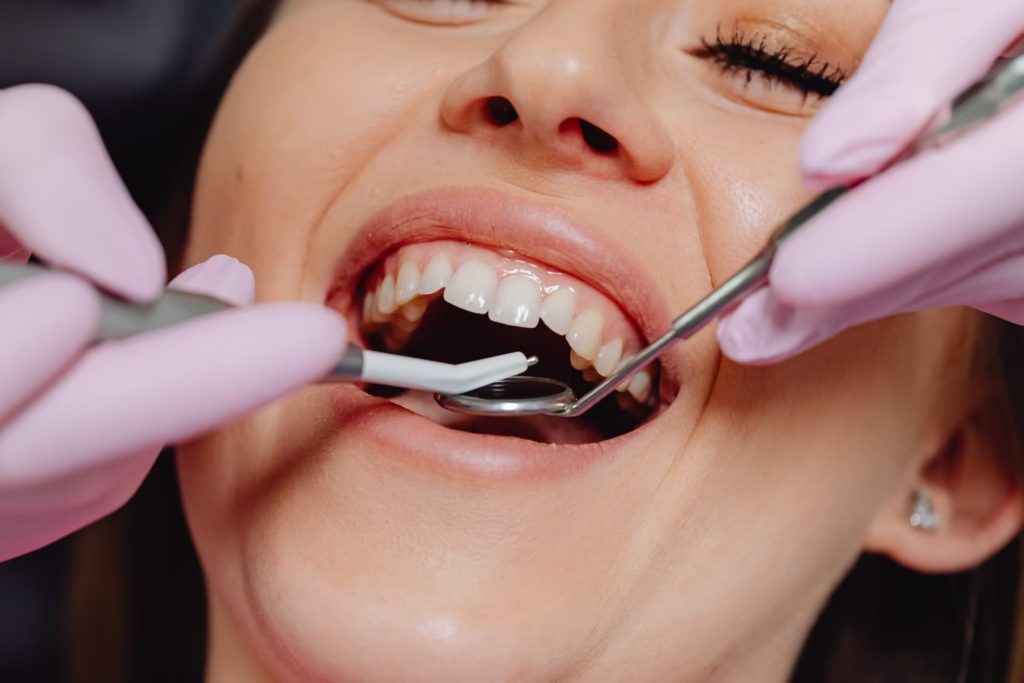
For small chips, minor edge damage, or limited cosmetic changes, dental bonding may be an appropriate option. Tooth-coloured composite material is shaped to restore the missing area and blended to match the surrounding enamel. It can provide a natural-looking repair while preserving as much healthy tooth structure as possible.
Dental crowns
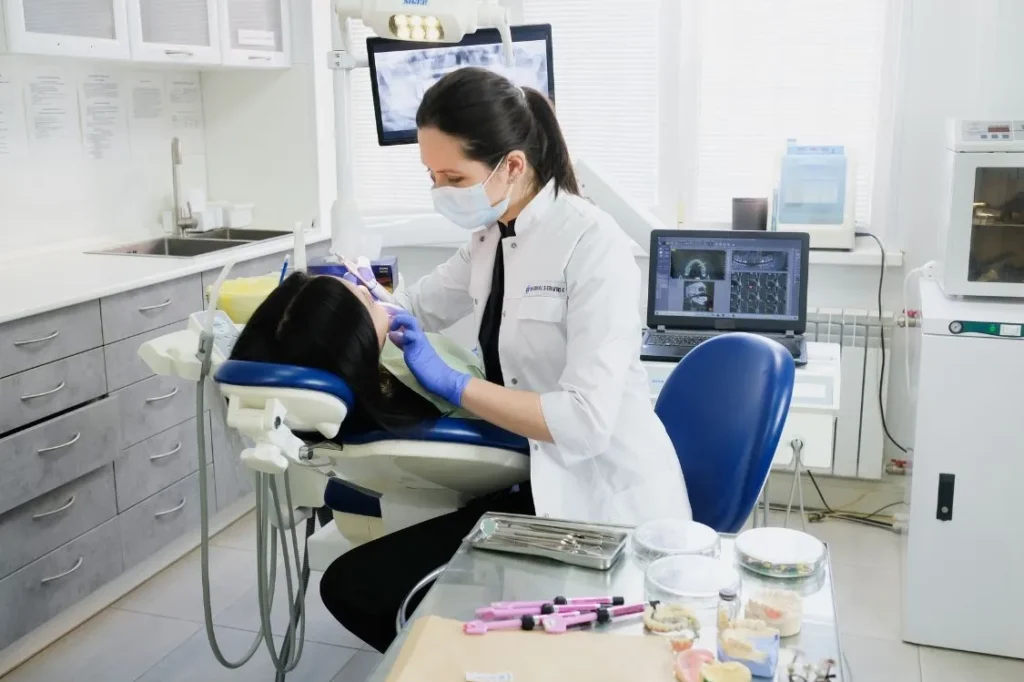
When a tooth has a larger fracture, substantial weakness, or an existing restoration that no longer provides support, a crown may be recommended. A custom crown covers and reinforces the tooth so it can handle everyday chewing forces more reliably. Learn more about dental crowns and bridges.
Veneers where appropriate
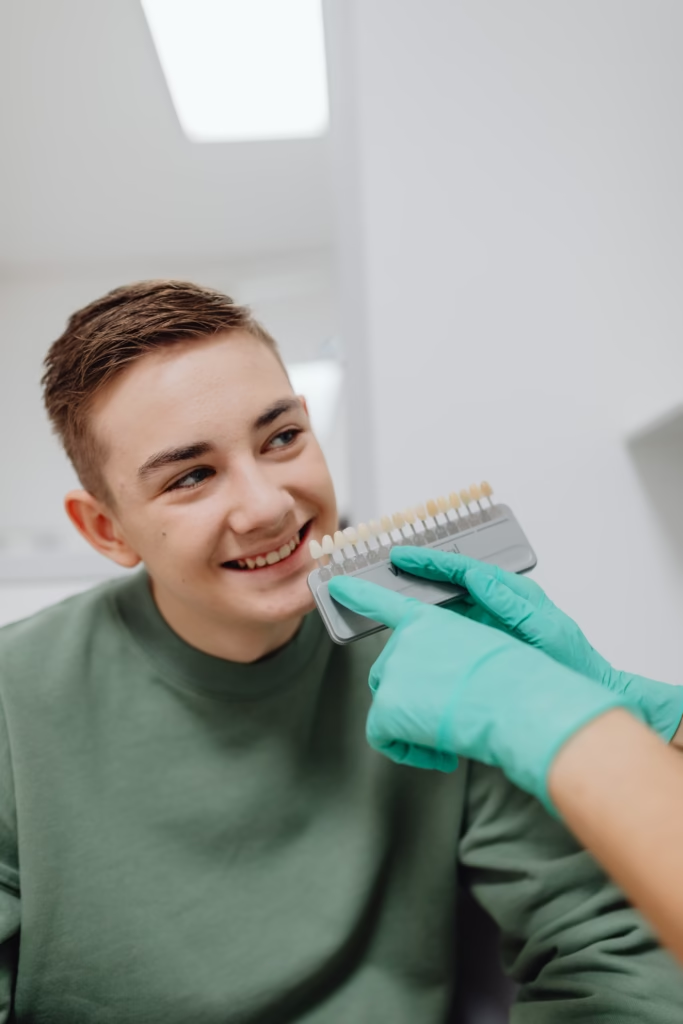
A veneer may be considered for certain visible front-tooth chips where the tooth is otherwise healthy and appearance is the primary concern. This option is evaluated carefully because it is not the right choice for every crack, bite pattern, or level of damage.
Root canal treatment for deeper damage
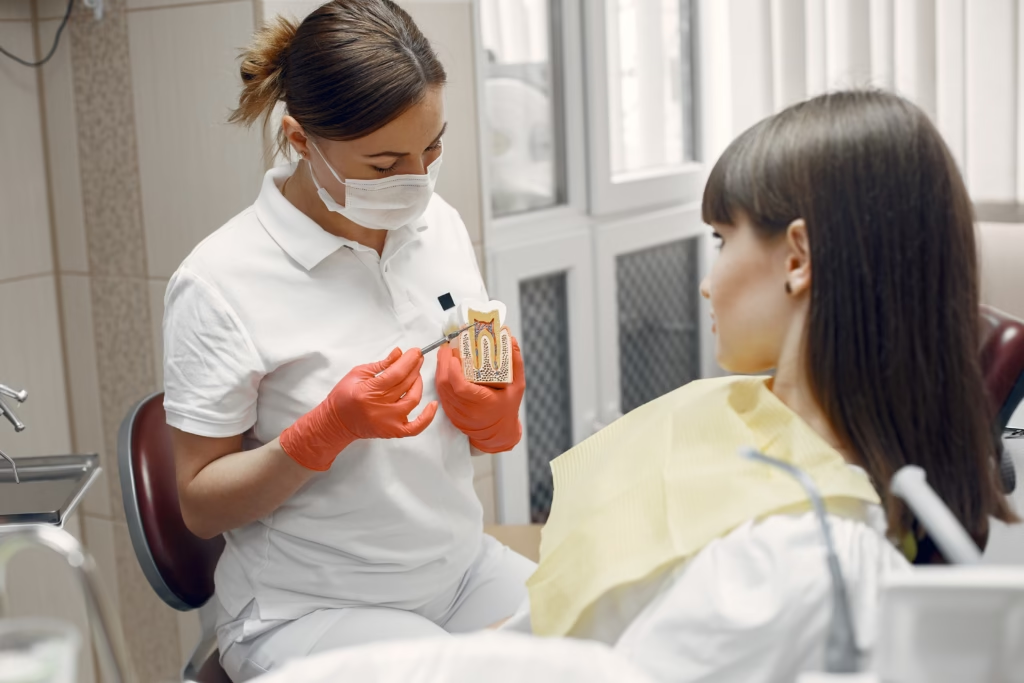
If a crack or fracture reaches the inner pulp of the tooth, the nerve tissue can become inflamed or infected. In suitable cases, root canal treatment can remove the affected tissue and help save the natural tooth, usually followed by a restoration that protects it.

Extraction only where the tooth cannot be saved
Some deeply damaged teeth cannot be predictably restored. If that happens, we will explain why, discuss replacement options, and help you make an informed decision. Extraction is considered only after a careful evaluation of the tooth’s condition and long-term outlook.

How to prevent future chips and cracks
While accidents cannot always be avoided, a few everyday choices can reduce stress on your teeth. Avoid chewing ice, hard candy, popcorn kernels, and non-food objects. Use scissors rather than your teeth to open packages, and wear appropriate protection during contact sports.
If you clench or grind your teeth, a custom night guard may help reduce repeated pressure on enamel and restorations. Regular checkups also allow your dentist to monitor worn teeth, older fillings, and bite changes before they lead to a fracture. Brushing twice daily with fluoride toothpaste, cleaning between your teeth, and following your dentist’s recommendations all support stronger teeth over time.
In many cases, a small chip can be restored in one appointment with bonding. The timing and approach depend on the size of the chip, the condition of the tooth, and the type of restoration needed.
Modern tooth-coloured materials can be selected and shaped to blend with your surrounding teeth. The final result depends on the location and extent of the damage, which the dentist will discuss during your visit.
No. Some minor chips or superficial defects may be managed with smoothing, bonding, or monitoring. A crown is typically considered when the tooth needs more protection from biting forces.
Coverage depends on your individual plan, the treatment recommended, and your eligibility. Our team can help you review available information and discuss payment before care begins. Final coverage decisions are made by your insurance provider.
Cost varies based on the examination findings and the treatment required. After assessing the tooth, we will review your recommended options and associated fees so you can decide with confidence.
It is still wise to book an assessment. Damage may expose or weaken a tooth before symptoms develop, and early care can help prevent further breakage.
- FREQUENTLY ASKED QUESTIONS
- VISIT OUR CLINIC IN BRAMPTON
Book Cracked or Chipped Tooth Repair in Brampton
You do not have to wait for a damaged tooth to become painful. Revita Dentistry can assess the problem, explain your options clearly, and provide care focused on preserving your natural smile whenever possible.