
Dental Implants in Brampton for Long-Term Tooth Replacement
A missing tooth can affect much more than your smile. It may make chewing uncomfortable, change the way you speak, affect your confidence, and allow neighbouring teeth to shift over time. If you are looking for dental implants in Brampton, Revita Dentistry provides personalized implant treatment to help restore missing tooth and support comfortable, functional oral health.
- DENTAL IMPLANTS
What Are Dental Implants?
A dental implant is a small post, commonly made from titanium, that is surgically positioned in the jawbone to replace the root of a missing tooth. After the implant has healed and integrated with the surrounding bone, an abutment and dental restoration can be attached.
Depending on how many teeth are missing, an implant may support a dental crown, implant-supported bridge, denture or full-arch restoration.
Unlike a traditional removable denture, an implant is anchored to the jaw. Unlike a conventional bridge, an individual implant can replace the root of a missing tooth without relying on neighbouring teeth for primary support.
The goal is to create a stable restoration that helps you chew, speak and smile with greater confidence.

Why Replace a Missing Tooth?
Replacing a missing tooth is not only about improving appearance.
When a tooth is lost, the surrounding oral structures can gradually change. The jawbone in the area may lose stimulation, neighbouring teeth can move into the space, and your bite may be affected.
Missing teeth can also make certain foods harder to chew and may influence speech depending on their location.
Dental implants are one option for replacing missing teeth because they address both the visible tooth and the root portion below the gum.
A properly planned implant restoration may help:
- Restore chewing function
- Replace the visible gap in your smile
- Support a more stable bite
- Reduce unwanted movement of neighbouring teeth
- Provide a fixed alternative to removable dentures
- Help maintain the jawbone around the implant site
Your dentist can determine whether an implant is appropriate after evaluating your oral health and treatment needs.
Dental Implant Solutions Available in Brampton
Not every patient needs the same type of implant treatment. The number and location of missing teeth, available bone, gum health and your restoration goals all influence the recommended approach.
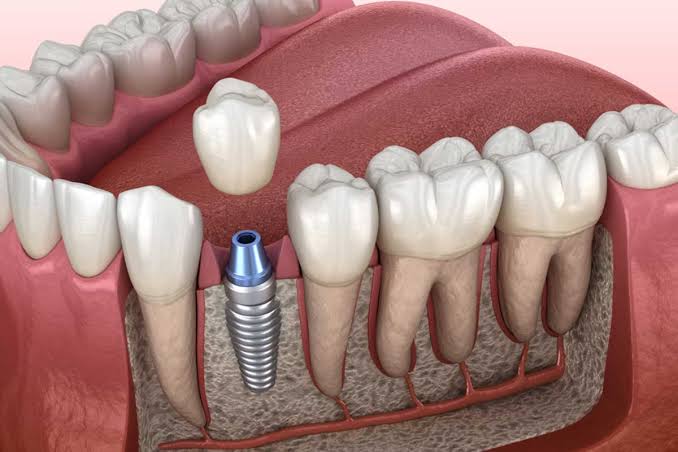
Single Tooth Implants
A single tooth implant can replace one missing tooth using an implant post, abutment and a custom dental crown. This approach is useful when a tooth is lost to decay, injury, infection or extraction, since the implant preserves neighbouring healthy tooth structure.
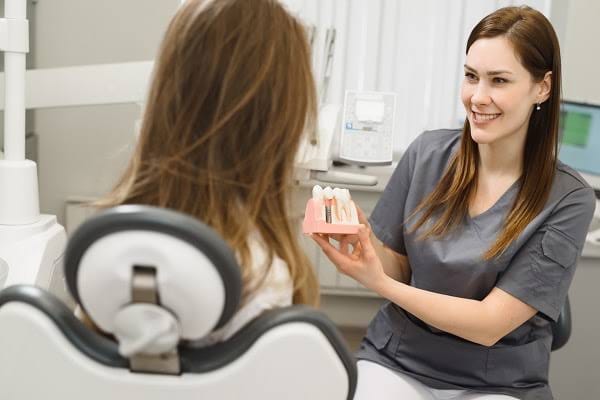
Multiple Dental Implants
When multiple teeth are missing, several implants can support individual restorations or a larger implant-supported prosthesis. The number and placement of implants depend on where teeth are missing, available bone structure and the planned final restoration.
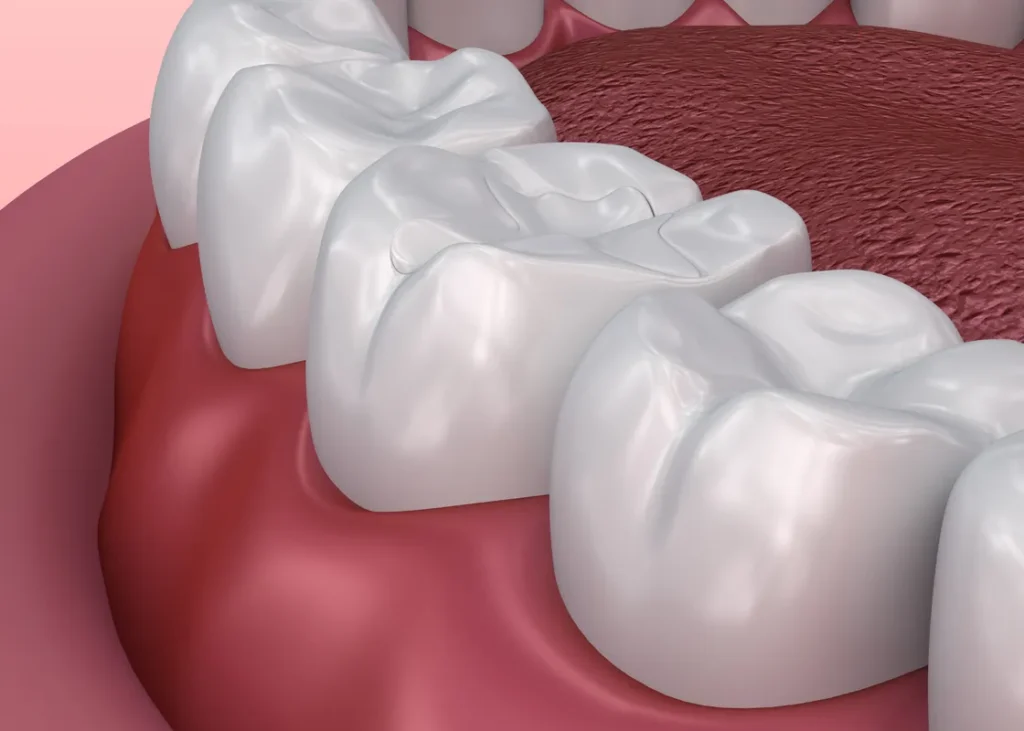
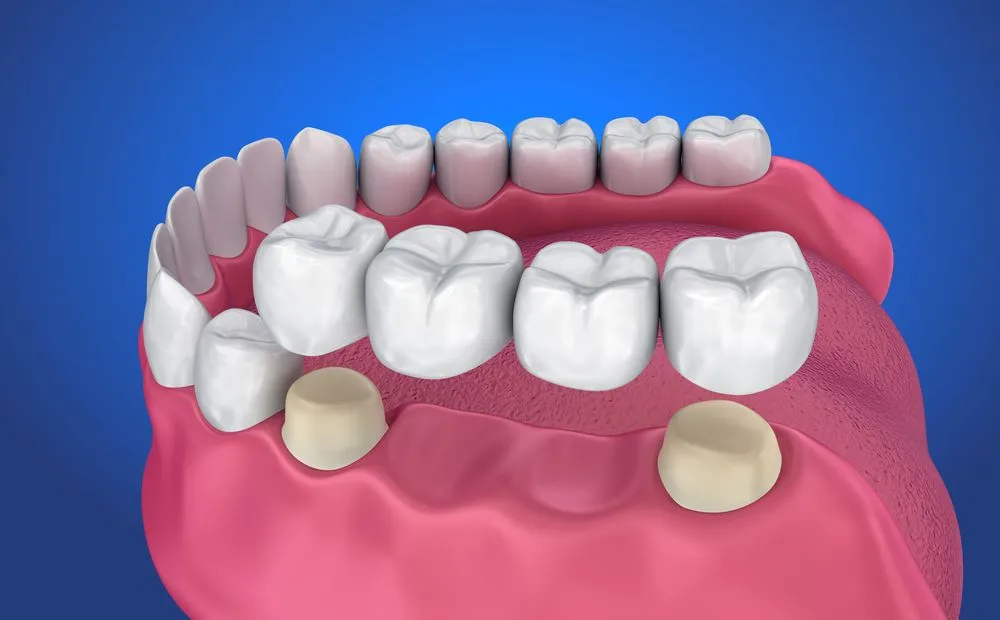
Implant-Supported Bridges
An implant-supported bridge can replace several adjacent missing teeth. Instead of relying primarily on natural teeth next to the gap, the bridge is supported by dental implants. This can provide a fixed replacement option when several neighbouring teeth are missing.
Implant-Supported Dentures
Patients missing most or all of their teeth may be candidates for implant-supported or implant-stabilized dentures. These dentures can offer greater stability than conventional removable dentures, since the restoration anchors to implants placed in the jaw.

Full-Arch Dental Implants
For patients with extensive tooth loss, full-arch implant treatment offers a way to restore an entire upper or lower arch with strategically placed implants. Treatment may follow an All-on-4 or All-on-X approach, depending on the patient's anatomy, oral health and overall treatment plan.

Who Might Need Dental Implants?
Many adults with missing teeth may be eligible for dental implants, but suitability cannot be determined from the number of missing teeth alone. The situation may be accessed by the dentist post examinations and recommend implants.
Your dentist will consider factors such as:
- Number and location of missing teeth
- Jawbone volume and density
- Gum health
- Oral hygiene
- Existing dental conditions
- Smoking or tobacco use
- Previous dental procedures
- Healing considerations
Healthy gums and adequate bone support can help provide a suitable foundation for implant treatment. If bone volume is insufficient, additional treatment such as bone grafting may sometimes be considered.
The best way to determine whether dental implants are right for you is through a personalized dental examination and treatment-planning appointment.


Do You Need Bone Grafting Before Dental Implants?
Not every patient needs a bone graft before receiving a dental implant.
After a tooth is lost, the surrounding jawbone can gradually change because it no longer receives stimulation from the natural tooth root. If there is not enough bone available to provide the desired support for an implant, your dentist may discuss bone-grafting treatment.
Your implant assessment may include dental X-rays, digital scans or 3D imaging to evaluate the available bone and surrounding anatomy.
If additional treatment is required, your dentist can explain why it is recommended, what it involves and how it may affect your overall treatment timeline.
The Dental Implant Process at Revita Dentistry

Comprehensive Implant Evaluation
Your first appointment covers your dental history, concerns and desired outcome. Your dentist will assess your teeth, gums and the area where the tooth is missing.

Digital Imaging & Treatment Planning
Imaging helps evaluate the jawbone and surrounding structures, allowing your dentist to plan the implant position. 3D imaging may be used when appropriate.

Preparatory Treatment
Some patients may need treatment before implant placement. Your dentist will determine whether any preparation is needed based on your individual circumstances

Final Restoration & Ongoing Care
Once the implant has healed, an abutment connects it to the final restoration, such as a crown, bridge, denture or full-arch restoration. Ongoing daily hygiene and regular dental examinations help maintain your implant over time.

Healing & Osseointegration
The implant needs time to heal and integrate with the surrounding jawbone through a process called osseointegration. Healing times vary depending on individual circumstances.

Implant Placement
The dental implant is surgically positioned in the jawbone according to your treatment plan. Local anesthesia is commonly used, with sedation discussed when appropriate
How Long Does Dental Implant Treatment Take?
There is no single timeline that applies to every dental implant patient.
Your overall treatment time can depend on:
- Number of implants
- Location of the missing tooth
- Jawbone condition
- Need for tooth extraction
- Need for bone grafting
- Healing response
- Type of final restoration
- Overall oral health
The implant itself needs time to integrate with the jawbone before the final restoration is placed. Revita Dentistry currently notes that healing may take approximately 3–6 months, although your individual timeline may be shorter or longer depending on your circumstances.
During your consultation, your dentist can explain the anticipated stages and provide a more personalized estimate.
Are Dental Implants Painful?
Dental implant placement is performed using anesthesia to keep you comfortable during the procedure. You may feel pressure during treatment, but you should not experience the same type of pain associated with an untreated dental problem.
After surgery, some patients experience temporary soreness, swelling or tenderness around the treatment area. Your dental team will provide aftercare instructions to support healing.
If you feel anxious about dental treatment, discuss this before your appointment. Revita Dentistry currently offers sedation options for suitable patients and encourages patients to communicate their concerns so the team can plan appropriate support.
Nervous about treatment? Learn more about Dental Sedation in Brampton.
Dental Implants vs Dentures vs Bridges
There is no single tooth-replacement solution that is right for every patient.
| Feature | Dental Implants | Dental Bridges | Dentures |
|---|---|---|---|
| Fixed in the mouth | Usually yes | Yes | Usually removable |
| Replaces tooth root | Yes | No | No |
| Can replace one tooth | Yes | Yes | Sometimes |
| Can replace multiple teeth | Yes | Yes | Yes |
| Supports chewing function | Yes | Yes | Yes |
| Requires daily cleaning | Yes | Yes | Yes |
| Can be implant-supported | — | Yes | Yes |
How Much Do Dental Implants Cost in Brampton?
The cost of dental implants in Brampton varies from patient to patient, so an online price alone cannot accurately represent the cost of your complete treatment.
Factors that may affect your treatment cost include:
- Number of missing teeth
- Number of implants required
- Type of implant restoration
- Dental crown or bridge
- Implant-supported denture
- Full-arch treatment
- Tooth extraction
- Bone grafting
- Diagnostic imaging
- Complexity of the procedure
- Temporary and final restorations
The most useful way to understand your cost is to have your teeth and treatment needs assessed first.
At Revita Dentistry, your consultation can help establish which treatment option is appropriate and what procedures may be involved before you proceed.
Are Dental Implants Covered by Insurance or CDCP?
Dental insurance coverage varies between plans, and eligibility for the Canadian Dental Care Plan (CDCP) depends on current program requirements and the specific services covered.
Revita Dentistry states that it accepts CDCP and most major dental insurance plans and offers direct billing where supported. However, coverage should always be confirmed based on your individual plan and treatment.
If you are considering dental implants, ask the clinic about:
- Your available dental benefits
- Pre-authorization requirements
- Covered versus non-covered services
- Expected out-of-pocket costs
- Available payment or financing options
The clinic can help you understand the information available from your insurer, while the final coverage decision remains with your insurance provider or applicable program administrator.
Why Choose Revita Dentistry for Dental Implants in Brampton?
Choosing an implant provider is about more than finding a clinic that offers implants. You want a team that can evaluate your oral health, explain your options and help you understand each stage of treatment.
Revita Dentistry is located at 10 Beaumaris Drive, Unit 12, Brampton, Ontario, and provides dental implant treatment alongside preventive, restorative, cosmetic and emergency dental services. The clinic currently highlights digital 3D imaging, in-house implant procedures, sedation options and evening/Saturday availability.
Know Your Dentist:
Dr. Afshan Ahmed is a graduate of the National Dental Examination Board of Canada and a member of the Royal College of Dental Surgeons of Ontario. Revita Dentistry also identifies affiliations with the Ontario Dental Association, Canadian Dental Association and Halton-Peel Dental Association.
Most importantly, your treatment should begin with a clear assessment and an honest discussion about whether an implant, bridge, denture or another option is appropriate for your situation.
Caring for Your Dental Implants
Dental implants are not maintenance-free. Although the implant itself cannot develop a cavity like a natural tooth, the surrounding gums and supporting tissues still need proper care.
To help maintain your implant:
- Brush your teeth twice daily
- Clean between your teeth and around the implant
- Follow your dentist's cleaning recommendations
- Attend regular dental examinations
- Have professional cleanings as recommended
- Avoid smoking or tobacco products
- Follow all post-operative instructions
- Contact your dentist if you notice persistent pain, swelling, bleeding or unusual movement
Good oral hygiene is particularly important because healthy tissues around the implant contribute to its long-term stability.
Your dental team can recommend the appropriate home-care routine based on your implant restoration and overall oral health.
What Our Patients Say
Patients often tell us that they value our friendly team, clean and modern clinic, clear explanations and gentle approach to treatment. We are grateful to every patient who takes the time to share their experience and help other Brampton families feel more confident choosing a dentist.
Amazing Dental Care Experience! I had a fantastic experience at Revita Dental Clinic! The entire team is incredibly professional, friendly, and truly cares about their patients. From the moment I walked in, I felt welcomed and at ease. The clinic is clean, modern, and well-equipped, and the dentists take the time to explain every step of the process.
⭐️⭐️⭐️⭐️⭐️
Yunika R.
Very clean and hygienic clinic. Dr Afshan is a great dentist, very patient doctor with good knowledge and skills. Did my fillings with ease and in no time. Recommended mouth guard and took impression in the same appointment. Definitely recommend to anyone in need of dentist.
⭐️⭐️⭐️⭐️⭐️
M.M.
Today I visited for teeth cleaning and basic examination. I felt extremely happy and satisfied after visiting and having treatment here. Dr. Afshan and her Staff members are very nice and cooperative.
⭐️⭐️⭐️⭐️⭐️
Ashwin P.
Multiple Dental Implants
If several teeth are missing, multiple implants may be used to support individual restorations or a larger implant-supported prosthesis. The appropriate number and position of implants depend on the location of the missing teeth, bone anatomy, and the final restoration being planned. By addressing both the visible gap and the root portion, multiple implants help restore chewing function and maintain the jawbone around the implant site. The healing period for these implants varies based on the number of implants and bone condition, taking approximately 3 to 6 months for the implants to fully integrate with the jawbone.
Implant-Supported Bridges
An implant-supported bridge can effectively replace several adjacent missing teeth, offering a secure solution to close the visible gap in a patient’s smile. Instead of relying primarily on natural teeth next to the gap, the bridge is supported by dental implants surgically positioned in the jaw. This provides a durable, fixed replacement option when several neighbouring teeth are missing. Because the bridge is anchored directly to implants, the final restoration does not depend on altering or reducing healthy neighbouring teeth for primary structural support. Furthermore, a properly planned implant-supported bridge not only restores chewing function but also helps support a more stable bite and reduces the unwanted shifting of remaining natural teeth over time. Once the implants have fully healed and integrated with the surrounding bone, the final bridge is attached, allowing patients to speak, chew, and smile with greater confidence.
Implant-Supported Dentures
Patients missing many teeth may be candidates for dentures supported or stabilized by dental implants. Implant-supported dentures can provide significantly more stability than conventional removable dentures because the restoration is securely anchored to implants positioned in the jaw. This approach requires adequate bone support; however, if bone volume is insufficient, additional preparatory treatments such as bone grafting may be considered. For patients with extensive tooth loss, this treatment can involve an All-on-4 or All-on-X approach to comprehensively restore an entire upper or lower arch
Revita Dentistry Proudly Serving Brampton & Nearby Communities Since 2023
Revita Dentistry provides trusted family, cosmetic, restorative, and emergency dental care for patients across Brampton and surrounding neighbourhoods, making quality dental care convenient and accessible.
Bramalea
Peel Village
Springdale
Downtown Brampton
Heart Lake
Castlemore
Steeles Industrial
Madoc
The cost depends on the number of implants, type of restoration, imaging, extractions, bone grafting and treatment complexity. Because these factors vary between patients, an examination and treatment consultation are the best way to receive an individualized estimate.
Dental implants are designed as a long-term tooth-replacement solution, but their longevity depends on factors such as oral hygiene, gum health, lifestyle, implant care and regular professional monitoring. Your dentist can explain what you can do to support the long-term health of your implant.
Implant placement is performed using anesthesia, so the procedure itself should be comfortable. Temporary soreness, swelling or tenderness can occur during recovery. Your dentist will provide instructions for managing normal post-operative symptoms and explain when you should contact the clinic.
Treatment length varies according to the number of implants, bone condition, healing response and whether procedures such as extraction or bone grafting are required. Implant healing can take several months before the final restoration is placed.
In some cases, an implant may be placed immediately after an extraction, while other situations require the extraction site to heal first. Bone and gum condition, infection and the location of the tooth all influence the timing. Your dentist can determine the appropriate approach.
Yes. Multiple missing teeth can potentially be replaced using individual implants, implant-supported bridges, implant-supported dentures or full-arch implant solutions. The appropriate treatment depends on how many teeth are missing, their location, available bone and your overall treatment goals.
Not necessarily. Bone grafting is considered when there is insufficient bone to provide the desired support for an implant. Your dentist can use clinical examination and appropriate imaging to assess the treatment site and determine whether grafting is necessary.
Dental implants and dentures serve different needs. Implants are anchored to the jaw, while traditional dentures are removable. Some patients may prefer the stability of implants, while others may benefit from conventional or implant-supported dentures. Your dentist can compare the options based on your oral health and goals.
Smoking can affect oral tissues and healing, so tobacco use is an important factor to discuss during your implant assessment. Your dentist can evaluate your individual situation and explain how smoking may influence treatment and long-term implant health.
Coverage varies depending on your insurance plan, eligibility and the specific treatment. Do not assume that the full cost of implant treatment will be covered. Revita Dentistry can help you understand the coverage information available from your provider or CDCP, but the final coverage decision belongs to the plan administrator.
Your dentist will assess your missing teeth, gums, jawbone, oral hygiene and overall health. Imaging may also be required for treatment planning. If an implant is not immediately suitable, your dentist can discuss preparation or alternative tooth-replacement options.
Some carefully selected implant cases may involve immediate or temporary teeth, but this does not mean every patient can complete the entire implant treatment in one day. Implant suitability, bone condition, number of teeth and restoration type all affect the treatment approach.
Frequently Asked Questions About Dental Implants in Brampton
- VISIT OUR CLINIC IN BRAMPTON
Ready to Replace Your Missing Tooth?
You do not have to live with a missing tooth or guess which replacement option is right for you.
If you are considering dental implants in Brampton, Revita Dentistry can assess your oral health, discuss your treatment options and explain the expected process, timeline and costs based on your individual needs.
Whether you need to replace one tooth, several missing teeth or an entire arch, the first step is a personalized consultation.