


- Reviewed by
Table of Contents
Dental Implant Healing Timeline
The dental implant healing timeline usually extends over several months. Initial gum healing often takes around one to two weeks, while the implant’s integration with the jawbone takes longer. Tooth extraction, bone grafting and the steps needed to make the final replacement tooth can extend the overall treatment period. These are general estimates, rather than a fixed completion schedule.
Feeling comfortable again does not mean the implant is ready for normal chewing forces. Your dentist assesses healing before moving to the next stage.
If you are considering dental implant treatment at Revita Dentistry in Brampton, ask for an estimate that separates preparation, healing after placement and fitting the final tooth.
| Stage | General timing | What happens |
|---|---|---|
| Consultation and preparation | Before placement; timing varies | Your dentist assesses the area and identifies any treatment needed first. |
| Implant placement | Surgical appointment | The implant is positioned in the jawbone. |
| Early recovery | First few days | Soreness, swelling and minor bleeding can occur. Follow your individual aftercare instructions. |
| Initial gum healing | Often around one to two weeks | The surgical wound heals, although deeper healing continues. |
| Bone integration | Several months; sometimes longer | Bone bonds with the implant through a process called osseointegration. |
| Final restoration | Once healing and stability are sufficient | Your dentist completes the steps needed to fit the final crown, bridge or denture. |
The stages can overlap, and some may be combined. This table describes a general sequence, not a schedule that applies to every patient.
Before Placement: Consultation and Preparation
Your dentist reviews your medical and dental history, examines your mouth and uses appropriate imaging to assess the implant area. This helps determine whether the site is ready for placement or needs preparation first.
A tooth extraction or bone graft may introduce a separate healing period. Some grafts can be completed during implant placement, while others need to heal beforehand. Ask whether your estimated treatment time starts at the consultation, extraction or implant placement. That distinction can make two treatment estimates look quite different.
Useful questions include:
- Do I need treatment before the implant can be placed?
- Which stages can be combined in my case?
- What findings could change the proposed schedule?
Placement and Early Healing

The Day of Implant Placement
The implant is placed in the jawbone. Depending on the treatment plan, a healing cap may be visible above the gum, or the implant may be covered by gum tissue while it heals.
An implant covered by gum tissue may need a later procedure to expose its top. These approaches involve different appointment sequences, so another patient’s experience may not match yours.
Revita’s page on implant surgery and recovery explains more about the procedure and general aftercare.
The First Few Days

Soreness, swelling, bruising and minor bleeding can occur after surgery. The extent of these symptoms depends partly on the procedure performed.
Follow your dental team’s instructions about food, cleaning, activity and medication. Softer foods and avoiding unnecessary pressure on the surgical area may be recommended. Do not increase medication doses or change prescribed treatment without advice.
Around One to Two Weeks
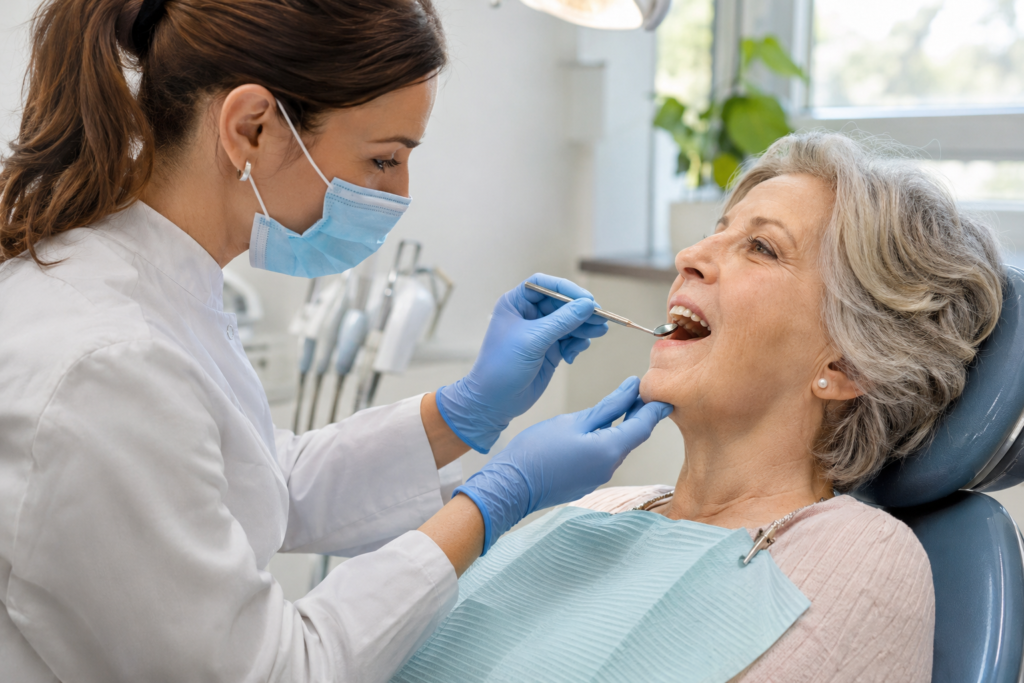
The gum wound often heals during this period. A follow-up appointment allows your dentist to assess the area and manage stitches where necessary.
This is an early milestone. The implant can still need months of healing within the bone, even when the gum looks settled and discomfort has eased.
The Following Months: Bone Integration
Osseointegration is the process in which bone grows against the implant surface and anchors it in place.
Bone integration may take around two to six months, although some patients need longer. This estimate does not include every preparation or restoration appointment. Your dentist determines when the implant is ready to support the planned replacement tooth.
What If You Receive a Temporary Tooth Earlier?
Selected patients may receive a temporary tooth at or soon after placement. This does not mean bone integration has already finished.
A temporary restoration may have restrictions on biting and chewing while healing continues. Ask what you can eat and whether you should avoid biting directly on that tooth. Receiving a tooth earlier and completing implant healing are separate milestones.
After Integration: Fitting the Final Replacement Tooth
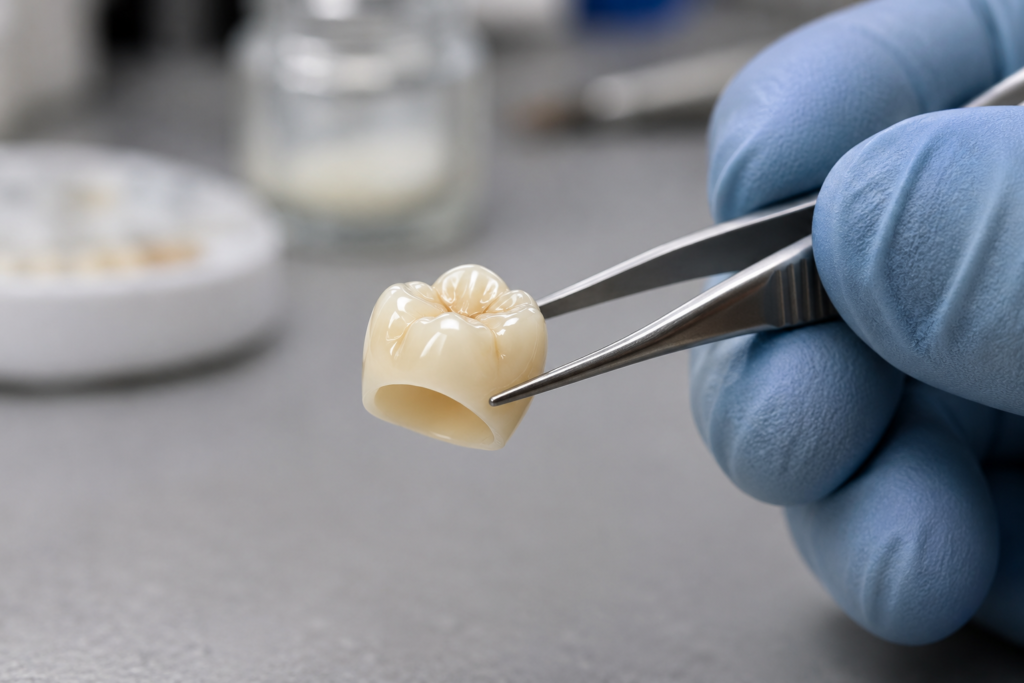
Once your dentist confirms that healing and implant stability are sufficient, the final restoration stage can begin. For a single missing tooth, this generally means a crown attached through a connector called an abutment.
If the implant healed beneath the gum, it may first need to be uncovered. The surrounding gum may then need time to settle before the final tooth is made.
Scans or impressions, laboratory work and fitting appointments also take time. Your dentist checks how the restoration fits and how your teeth meet when you bite. Being ready to start making the crown does not necessarily mean it can be fitted that day.
What Can Change Your Healing Timeline?
Several factors can affect the schedule:
- Bone grafting: A graft completed before placement creates an additional healing stage.
- The implant site: Available bone and the condition of surrounding tissues influence planning.
- Initial stability: How securely the implant sits at placement helps guide decisions about when it can support a tooth.
- Health and smoking: Certain health conditions and tobacco use can interfere with healing.
- Problems during recovery: Pain, infection or concerns about stability may require assessment before treatment continues.
A longer timeline does not necessarily mean there is a complication. Ask your dentist what has changed, what needs to happen next and when healing will be reassessed.
When Should You Contact Your Dentist?
Contact your dental team promptly if:
- Pain is worsening or is not improving as expected.
- Swelling continues to worsen after the first couple of days.
- You develop a fever.
- Bleeding remains heavy or does not settle with the measures your team recomme
- The implant, healing cap or temporary tooth feels loose.
These symptoms need professional advice rather than waiting for the next planned milestone.
Seek emergency medical care for difficulty breathing or swallowing, or severe uncontrolled bleeding.
Frequently Asked Questions
Antibiotics are prescribed in selected circumstances, rather than automatically for every patient. The decision depends on the procedure and your clinical needs. If prescribed, follow the instructions and contact your dental team if you have concerns about taking them.
Ask your dentist to check it before you resume wearing it. A removable denture may need adjustment to avoid pressure on the surgical area. Whether and when you can wear it depends on the site and treatment plan.
Contact the practice to rearrange the appointment and ask whether any instructions need to change. Do not assume that a planned crown appointment can proceed without the required assessment. Tell the team about any new symptoms when you call.
Ask for the implant’s brand and model, along with a treatment summary and copies of relevant records for your next dentist. Implant system details can help the receiving team identify the components used. Arrange the transfer and ongoing care before relocating where possible.
Understanding Your Own Treatment Schedule
Have questions about how implant treatment could fit your schedule? Ask Revita Dentistry about the expected stages, temporary tooth options and follow-up appointments for your case.