
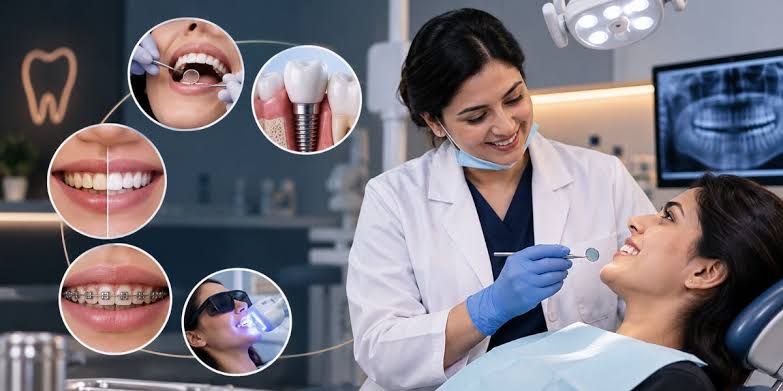

Brushing and flossing every day are important, but they cannot remove hardened tartar (calculus). Professional dental cleaning in Brampton helps remove plaque, tartar, and surface stains while giving your dental team a chance to check your teeth and gums.
Regular cleanings can help maintain healthy teeth and gums and identify potential problems early. If it has been a while since your last cleaning, Revita Family Dentistry can help you keep your smile healthy with personalized preventive dental care in Brampton.
What Is a Dental Cleaning?
A dental cleaning is a professional preventive procedure designed to remove plaque, tartar and surface deposits from the teeth and around the gumline.
Your home-care routine is the foundation of good oral hygiene, but some areas are difficult to clean completely. Plaque that remains on the teeth can mineralize and become tartar. Professional instruments are needed to remove this hardened buildup.
Depending on your oral-health needs, an appointment may include:
- An assessment of your teeth and gums
- Professional scaling to remove plaque and tartar
- Polishing to smooth tooth surfaces and remove certain surface stains
- Fluoride treatment when appropriate
- Personalized advice for improving your home-care routine
A cleaning is therefore more than a cosmetic treatment. It is part of preventive dental care that works alongside regular brushing, interdental cleaning and dental examinations.
If you are looking for a professional dental cleaning in Brampton, Revita Dentistry provides personalized cleaning and preventive oral-health care.
Why Does Professional Dental Cleaning Matter?
The purpose of professional cleaning is not simply to make your teeth feel smooth. It addresses buildup that daily cleaning may leave behind and supports ongoing monitoring of your oral health.
Removes hardened tartar
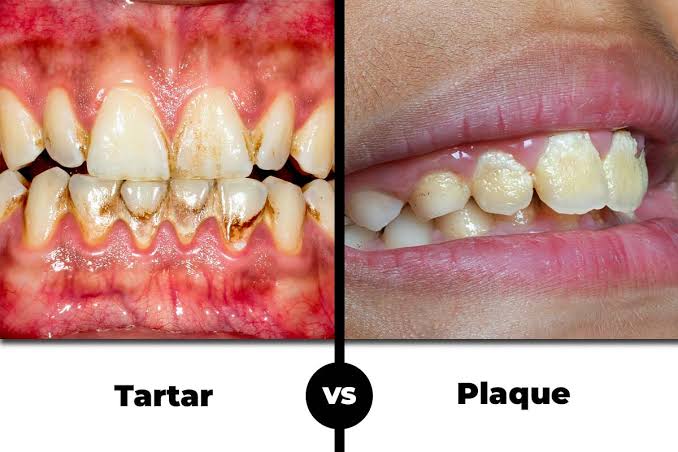
Plaque is a soft bacterial film that develops on teeth every day. When plaque is not adequately removed, it can harden into tartar. Unlike plaque, tartar cannot be brushed away at home and requires professional removal.
Supports gum health
Tartar and plaque around the gumline can contribute to gum inflammation. Gingivitis, an early form of gum disease, may cause red, swollen or bleeding gums, although some people notice few symptoms in the early stages.
Professional cleaning is one part of maintaining healthy gums. Daily brushing and cleaning between your teeth remain essential.
Helps remove surface stains
Polishing can remove some external stains caused by foods and beverages such as coffee and tea. It is important to understand that this is different from teeth whitening.
If your main concern is the colour of your teeth rather than plaque or tartar, you may want to explore professional teeth whitening instead.
Helps keep your mouth feeling fresh
Bacteria, plaque and trapped debris can contribute to unpleasant breath. Removing buildup and maintaining good daily oral hygiene may help address some causes of bad breath.
Gives your dental team an opportunity to identify concerns
A cleaning appointment can be part of broader preventive care. Your dental team may notice changes involving the gums, teeth or other areas of the mouth that require further assessment.
For a more comprehensive assessment, you can learn more about Revita Dentistry’s oral examination and cancer screening services.
How Often Should You Get a Dental Cleaning?
There is no universal cleaning schedule that applies equally to every patient.
Many people have routine professional cleanings around every six months, but your ideal interval depends on factors such as your gum health, tartar buildup, dental history and individual risk factors. Revita Dentistry similarly notes that some patients may require more frequent visits depending on their oral-health status.
You may benefit from a more personalized cleaning schedule if you:
- Develop tartar quickly
- Have a history of gum disease
- Have difficulty maintaining effective oral hygiene
- Wear orthodontic appliances
- Have other factors that increase your risk of oral-health problems
The best approach is to follow the interval recommended by your dentist or dental hygienist rather than assuming that everyone needs exactly the same number of visits each year.
If you have been away from dental care for a long time, don’t let that stop you from making an appointment. Starting again is better than continuing to delay preventive care.
What Happens During a Dental Cleaning?
Knowing what to expect can make a dental appointment feel more straightforward.
1. Your teeth and gums are assessed
Your dental professional first looks at your oral health and identifies areas where plaque or tartar has accumulated.
If there are signs that require further evaluation, your dentist may recommend an examination or additional treatment.
2. Tartar and plaque are removed
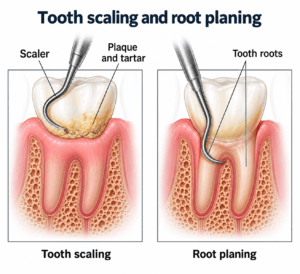
Scaling removes hardened deposits from the tooth surfaces. Depending on the amount and location of buildup, your dental professional may use specialized hand instruments or ultrasonic equipment.
3. Your teeth are polished
Polishing smooths the tooth surfaces and can remove some remaining surface deposits and external stains.
4. Additional preventive care may be recommended
Depending on your individual needs, fluoride or other preventive measures may be appropriate.
5. You receive home-care guidance
Your dental team can identify areas where plaque tends to collect and explain ways to improve brushing or cleaning between your teeth.
The goal is to connect what happens during your appointment with what you do every day at home.
Does Dental Cleaning Hurt?
For many patients, routine cleaning is comfortable. However, you may notice pressure, vibration or mild sensitivity during scaling, particularly when there is significant tartar buildup or existing tooth sensitivity.
You may experience:
- Mild sensitivity during or after cleaning
- Pressure from dental instruments
- Temporary gum tenderness
- Greater sensitivity around certain teeth
Tell your dental team if you have sensitive teeth or feel anxious about treatment. Discussing your concerns beforehand allows the dental team to take your comfort into account.
If dental anxiety has caused you to postpone care, Revita Dentistry also provides sedation options for appropriate patients. You can learn more about [dental sedation] and discuss whether it is suitable for your situation.
Regular Dental Cleaning vs. Deep Cleaning
Regular cleaning and deep cleaning are not interchangeable.
A routine dental cleaning is generally part of preventive maintenance. It focuses on removing plaque, tartar and surface deposits that have accumulated on the teeth.
A deep cleaning, often called scaling and root planing, is a periodontal treatment used when gum disease and deeper deposits require more extensive treatment. It involves cleaning above and below the gumline and may require local anesthesia depending on the situation.
That means you should not assume you need a deep cleaning simply because you have not visited a dentist recently. Your dentist should evaluate your gums and determine which treatment is appropriate.
This distinction also helps prevent unnecessary treatment: the type of cleaning should be based on your oral-health findings, not simply the amount of time since your last appointment.
How Can You Keep Your Teeth Clean Between Visits?
Professional cleaning cannot replace your daily oral-hygiene routine. Likewise, brushing and flossing at home cannot remove hardened tartar once it has formed.
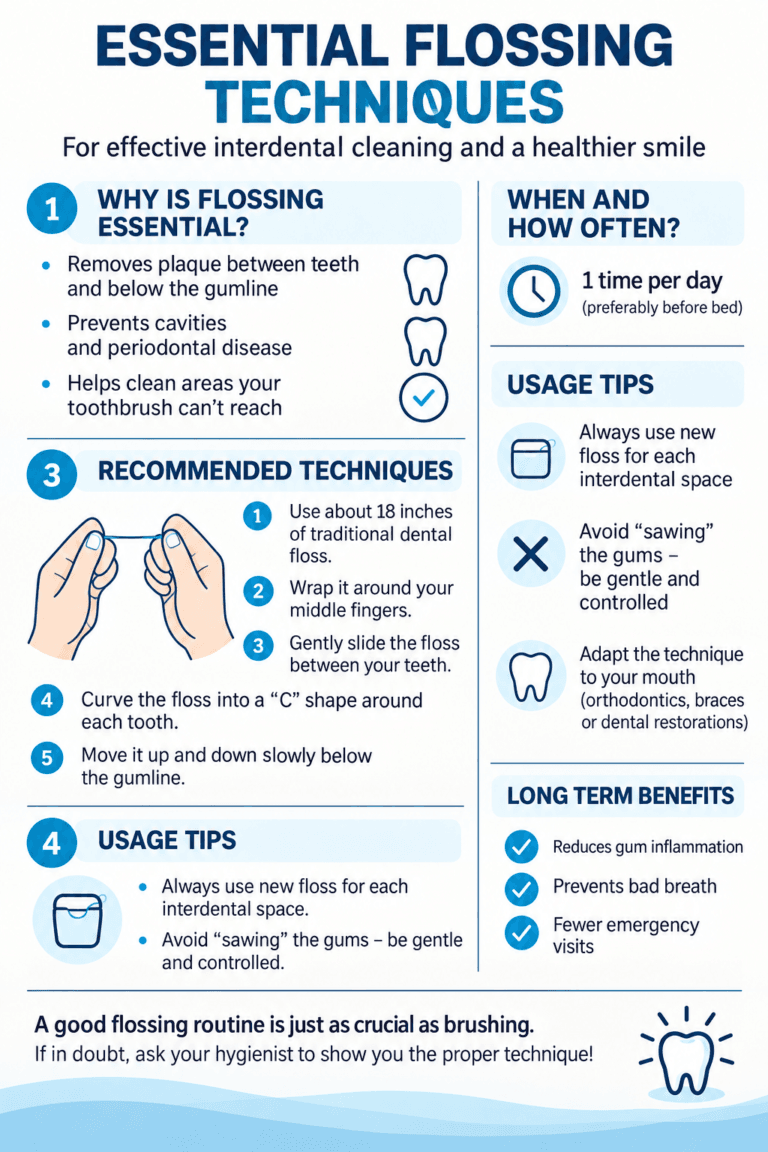
A practical routine includes:
Brush twice a day
Brush your teeth thoroughly with fluoride toothpaste, paying attention to the gumline and all tooth surfaces. The American Dental Association recommends brushing twice daily for two minutes with fluoride toothpaste.
Clean between your teeth every day
Floss or use another appropriate interdental cleaner to remove plaque and food debris from areas a toothbrush cannot effectively reach.
Pay attention to your gums
Bleeding, swelling, redness or persistent tenderness should not be ignored. These symptoms can be signs that your gums need professional evaluation.
Be consistent with dental visits
Regular examinations and professional cleaning allow your dental team to monitor changes and recommend care based on your individual needs. The Canadian Dental Association recommends discussing the appropriate frequency of dental visits with your dentist.
Dental Cleaning in Brampton at Revita Dentistry
If you’re searching for dental cleaning in Brampton, Revita Dentistry provides preventive dental care that includes professional scaling and polishing, oral-health assessment and hygiene guidance. The clinic’s current dental-cleaning service also describes care for both routine patients and people returning after a long gap in dental visits.
Revita Dentistry is located at 10 Beaumaris Drive, Unit 12, Brampton, Ontario L6T 0H1 and welcomes new patients. The clinic’s patient information page also states that it accepts CDCP and most major insurance plans with direct billing.
If you are unsure whether you are due for a cleaning, an appointment can help determine what your teeth and gums need rather than relying on a fixed schedule.
You can contact Revita Dentistry to ask about an appointment or explore the clinic’s dental services.
Frequently Asked Questions
How often should I get a dental cleaning?
Many patients have professional cleanings about every six months, but the appropriate interval varies. Your dentist or dental hygienist can recommend a schedule based on your gum health, tartar buildup, dental history and individual risk factors.
Does dental cleaning remove tartar?
Yes. Professional scaling is used to remove hardened tartar from tooth surfaces. Tartar cannot be effectively removed with ordinary brushing and flossing once it has formed, which is why professional cleaning is an important complement to daily oral hygiene.
Is dental cleaning necessary if I brush and floss every day?
Yes. Brushing and cleaning between your teeth help control plaque, but they cannot remove hardened tartar. Professional cleaning addresses this buildup and also gives your dental team an opportunity to assess your oral health.
Where can I get dental cleaning in Brampton?
Revita Dentistry provides professional dental cleaning in Brampton, including scaling, polishing and preventive oral-health care. The clinic is located at 10 Beaumaris Drive, Unit 12, Brampton, Ontario, and welcomes new patients.
Ready for Your Next Dental Cleaning?
Professional cleaning is one part of a larger oral-health routine. Daily brushing and interdental cleaning help control plaque at home, while professional care addresses hardened deposits and allows your dental team to monitor your teeth and gums.
If you’re due for a cleaning or have been away from the dentist for a while, [book an appointment with Revita Dentistry] to discuss your oral-health needs.
Revita Dentistry
10 Beaumaris Drive, Unit 12
Brampton, Ontario L6T 0H1
Phone: (905) 458-9989
Medically Reviewed By
Dr. Afshan Ahmed, DDS
Dr. Afshan Ahmed leads Revita Dentistry. The clinic states that she is a graduate of the National Dental Examination Board of Canada and a member of the Royal College of Dental Surgeons of Ontario. Revita also identifies her affiliations with the Canadian Dental Association, Ontario Dental Association and Halton-Peel Dental Association.
Last medically reviewed: September 2026