


Cavities and Dental Decay
A cavity may develop before you notice any pain. Learn how tooth decay starts, the signs to watch for, and when professional dental care may be needed.
Concerned about a cavity? Schedule a dental examination in Brampton.
Medically Reviewed By: Dr. Afshan Ahmed, Revita Dentistry
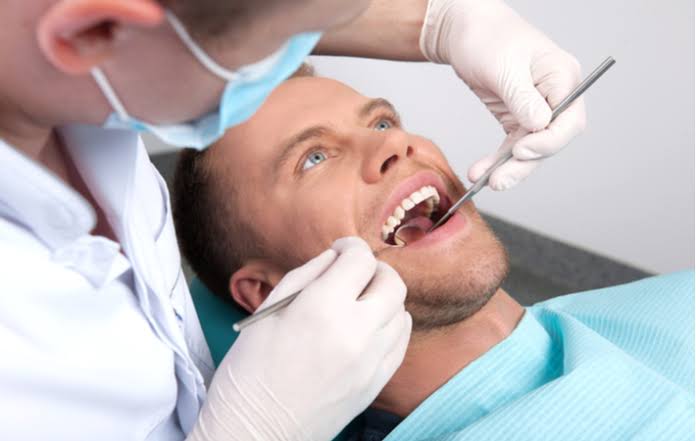
What Is a Cavity?
A cavity is a permanently damaged area of a tooth that develops when tooth decay breaks down the tooth’s structure. Tooth decay, also called dental caries, is the disease process that can eventually create a cavity.
The process usually starts with plaque. Bacteria in plaque use sugars and other carbohydrates from food and drinks to produce acids. Repeated acid exposure can remove minerals from enamel. If the process continues, the damage can move deeper into the tooth.
Early mineral loss may sometimes be managed with preventive care. Once a physical cavity has formed, however, the damaged structure generally cannot be restored simply through brushing at home.
What Causes Cavities and Dental Decay?
Cavities develop through a combination of bacterial activity, acid exposure and individual risk factors.
Frequent sugar and carbohydrate exposure
Eating or drinking sugary foods frequently can give plaque bacteria repeated opportunities to produce acids that attack enamel.
Plaque buildup
Plaque contains bacteria and can collect around the gumline, between teeth and in grooves on back teeth. If it is not removed effectively, it can contribute to decay.
Inadequate oral hygiene
Inconsistent brushing or failure to clean between teeth can leave plaque in areas that are difficult to reach with a toothbrush alone.
Dry mouth
Saliva helps protect teeth and clear food particles. Reduced saliva flow can increase the risk of tooth decay.
Exposed tooth roots
Gum recession can expose root surfaces, which do not have the same enamel protection as the crowns of teeth.
Previous dental work
Decay can develop around existing fillings or other restorations, particularly where plaque collects around their edges.
Your risk is influenced by factors such as diet, oral hygiene, fluoride exposure, saliva flow and previous dental problems.
What Are the Signs of a Cavity?
Common cavity symptoms include tooth sensitivity, toothache, pain when chewing, visible discoloration and a hole or pit in the tooth.
Possible signs include:
- Sensitivity to hot or cold foods and drinks
- Sensitivity to sweets
- Toothache or intermittent discomfort
- Pain when biting or chewing
- White, brown or dark areas on a tooth
- A visible hole or pit
- Food repeatedly getting trapped around one tooth
- A rough or damaged area
- Swelling around the tooth in advanced cases
One important point: a cavity does not always hurt. Early decay may have no noticeable symptoms, so waiting for pain is not a reliable way to determine whether a tooth is healthy.
If you notice a persistent change in a tooth, a dental examination can identify whether decay or another dental problem is responsible.
What Are the Stages of Tooth Decay?
Tooth decay can progress from minor mineral loss to deeper damage if the underlying causes are not addressed.
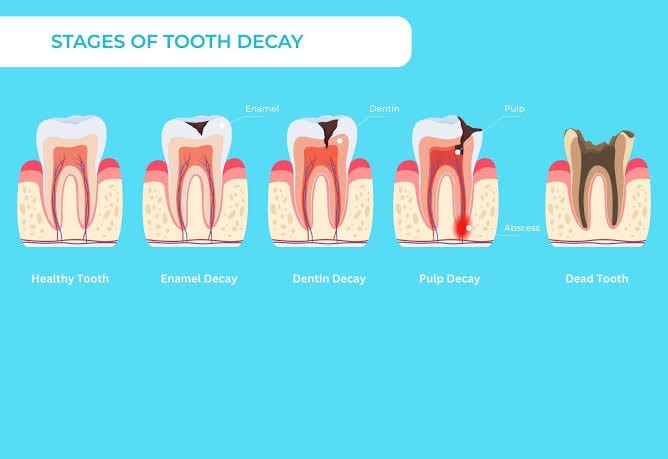
1. Enamel demineralization
Minerals are lost from the enamel. Early changes may appear as white or chalky areas.
2. Enamel damage
Continued mineral loss can weaken the enamel and result in an actual cavity.
3. Dentin involvement
When decay reaches the dentin beneath the enamel, sensitivity may become more noticeable.
4. Pulp involvement
Advanced decay can reach the pulp, which contains the tooth’s nerves and blood vessels. This may cause significant pain or inflammation.
5. Infection
Severe untreated decay can contribute to infection or an abscess around the tooth.
The earlier decay is identified, the more opportunity there may be to manage it before extensive tooth structure is lost.
How Are Cavities Diagnosed?
A dentist diagnoses cavities using a clinical examination, your symptoms and dental history, with X-rays or other diagnostic tools when appropriate.
An examination may involve:
- Inspecting tooth surfaces
- Looking for changes in enamel
- Checking existing restorations
- Assessing sensitive or painful areas
- Examining areas between teeth
- Taking dental X-rays when needed
Revita Dentistry also uses an intraoral camera to provide detailed views of the teeth and gums. This can help patients understand areas that may require attention.
Not every dark spot or tooth sensitivity is caused by a cavity. Professional assessment is the best way to determine what is happening.
Learn more about oral examinations in Brampton.
How Are Cavities Treated?
Treatment depends on how much tooth structure has been affected.
Early mineral loss
When there is mineral loss without an established cavity, preventive care may include fluoride, improved oral hygiene, dietary changes and professional monitoring.
Established cavities
A formed cavity may require a dental filling. The dentist removes the damaged portion of the tooth and restores the area with an appropriate filling material.
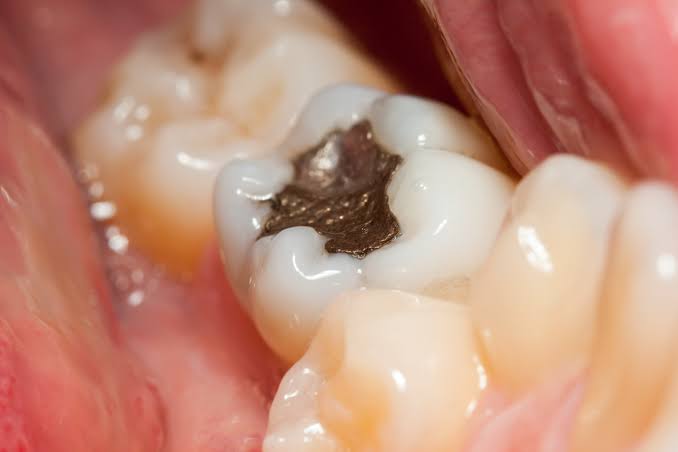
Revita Dentistry provides tooth-coloured composite fillings designed to restore affected teeth while maintaining a natural appearance.
Learn more about dental fillings in Brampton.
Advanced decay
If decay reaches the pulp, a filling may no longer be sufficient. Depending on the condition of the tooth, treatment such as root canal therapy or another restorative procedure may be considered.
The appropriate treatment can only be determined after the tooth has been examined.
Can a Cavity Be Reversed?
Very early tooth demineralization may sometimes be stopped or reversed through remineralization and preventive care. An established cavity cannot simply be brushed away.
Fluoride can strengthen enamel and support remineralization. Maintaining good oral hygiene and reducing frequent sugar exposure can also help control the conditions that contribute to decay.
However, once a physical hole has formed, professional treatment may be needed to restore the damaged tooth.
Home remedies should not replace a dental examination when you have persistent sensitivity, pain, visible damage or another concern.
How Can You Prevent Cavities?
A few consistent habits can help reduce your risk of tooth decay.

Brush twice daily: Brush your teeth twice a day with fluoride toothpaste, paying attention to the gumline and back teeth.
Clean between your teeth: Use floss or another appropriate interdental cleaner daily to remove plaque from areas a toothbrush cannot reach.
Limit frequent sugar exposure: Reduce frequent sugary snacks and sweetened drinks. Repeated exposure gives plaque bacteria more opportunities to produce acids.
Choose water regularly: Drinking water can help maintain hydration and rinse away food particles.
Maintain appropriate fluoride exposure: Fluoride helps strengthen enamel and protect against decay. Your dentist can recommend fluoride care based on your individual needs.
Consider preventive treatments: Dental sealants may be appropriate for some patients, particularly on the grooves of back teeth where plaque and food can collect.
Keep regular dental visits: Routine examinations allow potential problems to be identified before they become more advanced.
When Should You See a Dentist for a Cavity?
Arrange a dental examination if you notice:
- Persistent sensitivity
- Tooth pain
- A white, brown or dark spot
- A visible hole or pit
- Pain when chewing
- Food repeatedly becoming trapped around one tooth
- A damaged or loose filling
- Swelling around a tooth
You do not need to wait for severe pain. Some cavities cause few or no symptoms during their early stages.
When is tooth decay an emergency?
Severe pain, significant swelling, facial swelling or fever associated with dental symptoms may indicate a serious infection and requires prompt dental assessment.
Difficulty breathing or swallowing is an emergency and requires immediate medical attention.
For urgent dental problems in Brampton, see Emergency Dental Care.
Cavities in Children and Adults
Cavities can affect people of all ages, but the contributing factors can vary.
Children may need help developing effective brushing and flossing habits. Frequent sugary snacks and drinks can also increase their risk.
Adults may develop decay between teeth, around existing restorations or on exposed roots. Gum recession and dry mouth can increase the risk of root decay.
Older adults may face additional risk from dry mouth, gum recession, medications or difficulty maintaining daily oral hygiene.
Regardless of age, consistent preventive care and professional examinations remain important.
Cavity Care at Revita Dentistry in Brampton
Revita Dentistry provides preventive and restorative dental care for patients in Brampton.
The clinic offers oral examinations and dental fillings and uses diagnostic technology such as digital X-rays and an intraoral camera to support assessment and patient education.
Dr. Afshan Ahmed is identified by Revita Dentistry as the clinic’s lead dentist. The practice states that she graduated from the National Dental Examination Board of Canada and is a member of the Royal College of Dental Surgeons of Ontario. Revita also lists professional affiliations including the Canadian Dental Association and Ontario Dental Association.
If you have noticed sensitivity, discoloration, pain or a visible change in a tooth, an examination can help determine the cause and whether treatment is required.
Frequently Asked Questions About Cavities
Can you have a cavity without pain?
Yes. A cavity can develop without noticeable pain, particularly during its earlier stages. Regular dental examinations can help identify decay before symptoms become obvious.
Can a cavity go away on its own?
Early enamel demineralization may sometimes be managed through remineralization and preventive care. Once a physical cavity has formed, the damaged tooth structure generally requires professional treatment.
How do I know if I need a filling?
A dentist needs to examine the tooth to determine whether a filling is appropriate. Sensitivity, discoloration, a visible hole or pain may indicate decay, but some cavities cause no symptoms.
How quickly does tooth decay progress?
There is no single rate. Progression can vary according to diet, oral hygiene, fluoride exposure, saliva, tooth location and individual risk factors.
Conclusion
Cavities can begin without obvious symptoms, making prevention and regular dental care important. Brushing twice daily with fluoride toothpaste, cleaning between your teeth, limiting frequent sugar exposure and maintaining dental examinations can help reduce the risk of tooth decay.
If you notice sensitivity, pain, discoloration or a visible hole, professional assessment can determine whether you have a cavity and what care may be appropriate.
For patients looking for cavities and dental decay care in Brampton, Revita Dentistry can assess your oral health and discuss suitable treatment options.
Concerned about tooth decay? Schedule a dental examination at Revita Dentistry.