
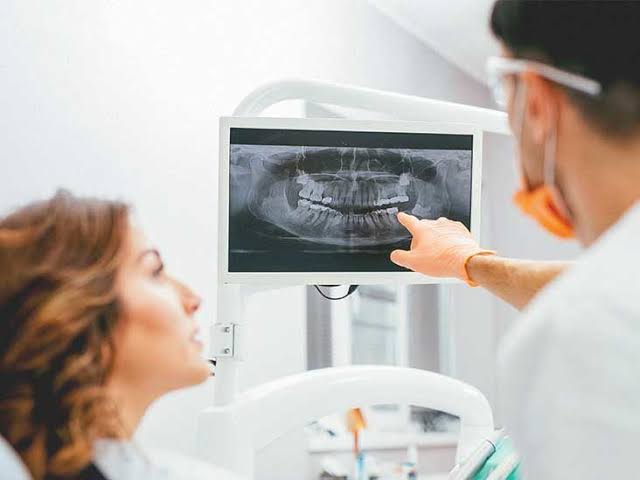

Tooth pain that lingers, sensitivity to hot or cold, swelling, or discomfort while chewing can sometimes indicate inflammation or infection inside a tooth. For patients in Brampton experiencing these symptoms, a dental examination can determine whether root canal treatment or another form of care is appropriate. This guide explains the common warning signs, what happens during treatment, recovery, and when tooth pain may require urgent attention.
Root Canal Treatment in Brampton: What Patients Should Expect
Root canal treatment, also called root canal therapy or endodontic treatment, is used when the soft tissue inside a tooth becomes infected or severely inflamed.
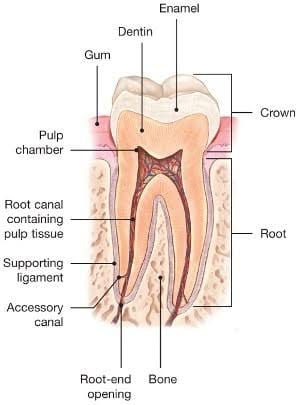
The inner part of a tooth contains the pulp, which includes nerves and blood vessels. Deep decay, cracks, trauma, or repeated dental procedures can allow bacteria to reach the pulp. Once the tissue is significantly damaged or infected, treatment may be needed to prevent the problem from progressing.
During a root canal, the dentist removes the damaged pulp, cleans and shapes the root canals, and seals them. The tooth is then restored so it can continue to function.
The goal is to treat the underlying problem while preserving the natural tooth whenever it can be safely restored.
Learn more about root canal treatment at Revita Dentistry.
What Are the Signs You May Need a Root Canal?
A toothache does not necessarily mean you need a root canal. However, certain symptoms can indicate that the pulp may be damaged or infected.
Common warning signs include:
- Persistent or severe tooth pain
- Pain when biting or chewing
- Sensitivity to hot or cold that lingers
- Swollen or tender gums
- A pimple-like bump near the tooth
- Tooth discolouration
- Pain following an injury
- Swelling around the jaw or face
Symptoms can vary from person to person. Some teeth with infection may not cause obvious pain, which is why a dental examination is important.
Your dentist may examine the tooth, test its response to temperature or pressure, and take dental X-rays to determine the cause of your symptoms.
If tooth pain or sensitivity continues, getting it evaluated is better than waiting for the symptoms to disappear.
What Causes a Tooth to Need a Root Canal?
Several dental problems can affect the pulp and lead to the need for treatment.
Deep Tooth Decay
An untreated cavity can move deeper into the tooth. If bacteria reach the pulp, the tissue can become inflamed or infected.
Cracked or Fractured Teeth
A crack may allow bacteria to reach the inner portion of the tooth. Depending on the location and severity of the fracture, root canal treatment or another procedure may be recommended.
Dental Trauma
An injury can damage the pulp even when the outside of the tooth does not appear severely broken. Symptoms may develop immediately or become noticeable later.
Repeated Dental Procedures
A tooth that has undergone multiple restorations may become more susceptible to pulp problems over time.
Early treatment of cavities, cracks, and dental injuries can help reduce the risk of deeper infection.
How Does a Root Canal Work?
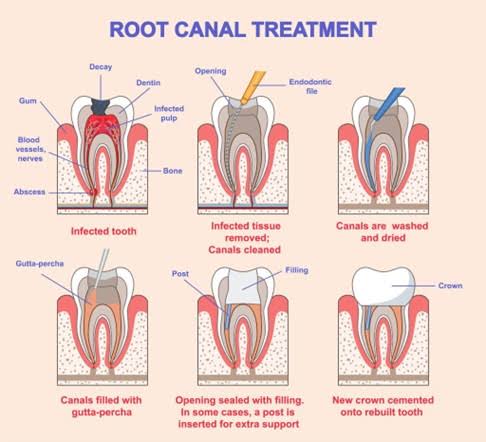
Knowing what happens during treatment can make the process easier to understand.
1. Examination and Diagnosis
Your dentist first evaluates your symptoms and examines the affected tooth. X-rays or other diagnostic tools may be used to assess the roots and surrounding structures.
2. Local Anesthesia
The area is numbed with local anesthesia before treatment begins. This helps keep the procedure comfortable.
3. Accessing the Tooth
The dentist creates a small opening in the tooth to reach the damaged pulp and root canal system.
4. Cleaning the Canals
The infected or damaged pulp is removed. The canals are then carefully cleaned and shaped to remove affected tissue and prepare them for sealing.
5. Sealing the Canals
After cleaning, the canals are filled and sealed with a suitable material. Sealing helps prevent bacteria from entering the treated space.
6. Restoring the Tooth
The tooth needs a final restoration after the root canal. Depending on its condition, location, and remaining structure, this may involve a filling, crown, or another restoration.
Does Root Canal Treatment Hurt?
Fear of pain is one of the most common reasons people delay treatment.
During a root canal, local anesthesia is used to numb the tooth and surrounding area. Tell your dentist if you experience discomfort during the procedure so they can address it.
Some tenderness can occur after treatment while the area heals. This may be more noticeable when the tooth was already painful or the surrounding tissues were inflamed.
Severe or worsening pain, significant swelling, or other unexpected symptoms after treatment should be reported to your dental team.
The important point is that delaying an evaluation because of fear can allow an untreated dental problem to become more complicated.
What Happens After a Root Canal?
Your dentist will provide aftercare instructions based on your tooth and restoration.
You may be advised to:
- Follow your dentist’s instructions carefully.
- Continue brushing and cleaning between your teeth.
- Avoid putting unnecessary pressure on the treated tooth until advised otherwise.
- Attend your recommended follow-up appointment.
- Complete the final restoration when recommended.
A root canal treats the infected or damaged pulp, but the tooth still needs regular oral hygiene and dental care afterward.
Protecting the treated tooth and maintaining healthy gums can help support your long-term oral health.
Will You Need a Crown After a Root Canal?
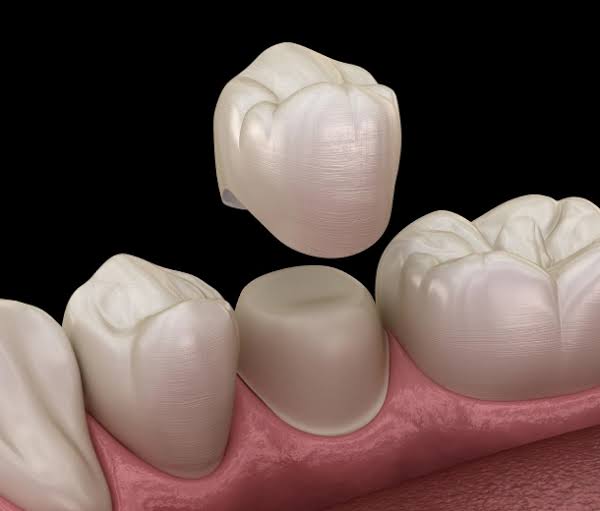
Not every tooth requires the same restoration after root canal treatment.
Your dentist may consider:
- The amount of healthy tooth structure remaining
- The location of the tooth
- The amount of chewing pressure it receives
- Whether the tooth has already been weakened or damaged
Back teeth often experience considerable chewing forces, so additional protection may be recommended.
A crown can restore the tooth’s function and help protect the remaining structure when appropriate.
If your dentist recommends one, you can learn more about dental crowns and bridges in Brampton.
Root Canal or Tooth Extraction: Which Is Right?
When a tooth is infected or badly damaged, patients may wonder whether it should be treated or removed.
If a tooth can be predictably restored, root canal treatment may allow you to keep your natural tooth. Extraction removes the tooth and may mean considering a replacement option later.
Root Canal Treatment | Tooth Extraction |
Preserves the natural tooth | Removes the affected tooth |
Treats infection inside the tooth | Removes the source of infection |
Requires a suitable restoration | May require tooth replacement |
Keeps the natural tooth in function | Can leave a space requiring further treatment |
A root canal is not suitable for every tooth. Extensive structural damage, certain fractures, or an inability to restore the tooth may make extraction the more appropriate option.
Your dentist can assess the tooth and explain the advantages, limitations, and alternatives before treatment.
If extraction is recommended, see tooth extraction and oral surgery at Revita Dentistry.
When Should You Seek Urgent Dental Care?
Some dental symptoms require prompt attention.
Contact a dentist if you experience:
- Severe or worsening tooth pain
- Facial or gum swelling
- A suspected dental abscess
- Pain that interferes with eating or sleeping
- A damaged tooth following an injury
- Fever or feeling unwell along with dental symptoms
Difficulty breathing or swallowing, or rapidly increasing facial swelling, requires urgent medical attention.
Revita Dentistry provides emergency dental care in Brampton for urgent concerns including severe tooth pain, swelling, dental injuries, and infections.
If you have an urgent dental problem, visit our emergency dental care in Brampton page.
How Can You Reduce the Risk of Needing a Root Canal?
Not every dental problem can be prevented, but good oral care can reduce the risk of deep decay and other conditions that affect the pulp.
Helpful habits include:
- Brush twice daily with fluoride toothpaste.
- Clean between your teeth every day.
- Attend regular dental examinations.
- Treat cavities before they become more advanced.
- Protect your teeth during appropriate sports activities.
- Have cracked or injured teeth examined promptly.
- Do not ignore persistent tooth pain or sensitivity.
Early dental care can make it easier to identify problems before they progress.
Frequently Asked Questions
How long does root canal treatment take?
Treatment time depends on the tooth, the number and shape of its canals, the complexity of the infection, and the restoration required. Some cases can be completed in one visit, while others may require additional appointments. Your dentist can explain the expected timeline after examining your tooth.
Can a root canal save my natural tooth?
Often, yes. Root canal treatment is designed to remove infected or damaged pulp while preserving the remaining natural tooth. However, the tooth must have enough healthy structure to be restored. Your dentist will assess its condition before recommending treatment.
What happens if an infected tooth is not treated?
An untreated infection can continue to develop and may cause an abscess, swelling, increasing pain, or damage to surrounding tissues. In some situations, delaying treatment can make the tooth more difficult to save. Persistent symptoms should be evaluated rather than ignored.
Is root canal treatment painful?
The tooth is numbed with local anesthesia during treatment. Some tenderness may occur afterward while the area heals. If you experience severe or worsening pain or significant swelling after treatment, contact your dentist for assessment and advice.
Get Persistent Tooth Pain Checked in Brampton
Tooth pain, sensitivity, or swelling can have several causes. A dental examination is the best way to determine what is affecting your tooth and whether root canal treatment is appropriate.
When the pulp is infected or severely inflamed, treatment may help resolve the problem while preserving the natural tooth. Getting assessed early can also help prevent a dental issue from becoming more complicated.
If you are experiencing persistent symptoms, book an assessment with Revita Dentistry in Brampton to discuss your treatment options with the dental team.