
- Reviewed by
Table of Contents
Dental Cleaning Vs Deep Cleaning: Which One Do You Need?
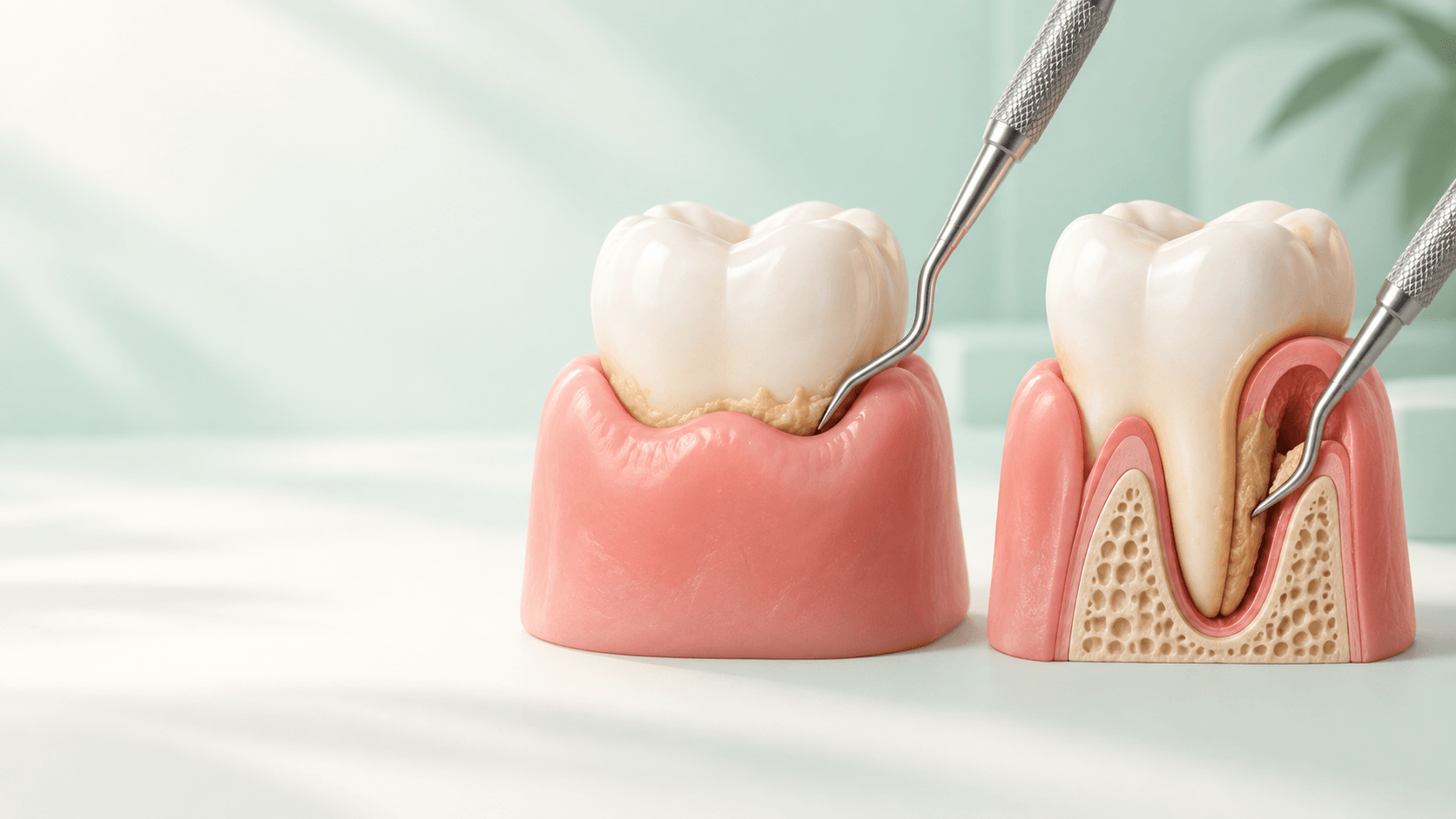
A dental cleaning and a deep cleaning both remove plaque and hardened deposits, but they are not interchangeable. A routine cleaning is preventive care for teeth and gums that are generally stable. A deep cleaning, often called scaling and root planing, is periodontal treatment that may be recommended when an examination identifies disease-related deposits and inflammation below the gumline.
If you are due for preventive care, learn what is included in a dental cleaning. If a dentist recommends a deeper treatment, the reason should come from your individual assessment, not from a one-size-fits-all schedule.
Quick comparison
| Comparison | Routine dental cleaning | Deep cleaning, often called scaling and root planing |
|---|---|---|
| Main purpose | Preventive removal of plaque and tartar around the visible tooth and gumline. | Treat disease-related buildup and inflammation below the gumline. |
| Usually recommended when | Gums and supporting tissues are generally healthy or stable. | Findings suggest periodontal disease, such as deeper pockets, bleeding or calculus below the gums. |
| Where the focus is | Tooth surfaces at and above the gumline, with cleaning just below it as needed. | Tooth-root surfaces below the gumline in affected areas. |
| How the need is determined | Preventive exam and hygiene assessment. | Periodontal assessment, including pocket measurements and other clinical findings. |
| What happens next | Ongoing recall based on oral-health needs. | Reassessment and a maintenance plan based on healing and periodontal risk. |
What happens during a routine dental cleaning?
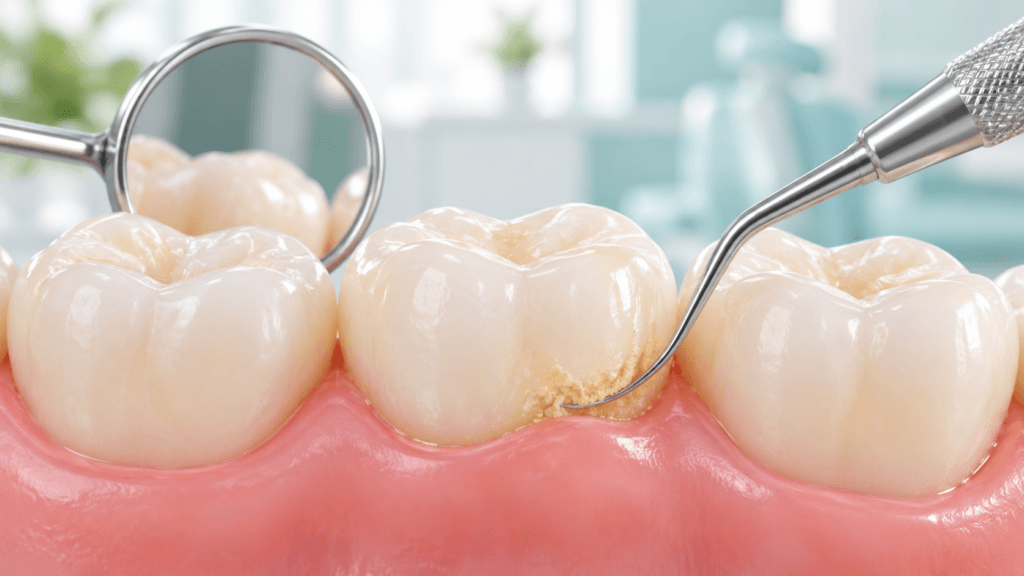
Most people use “cleaning” to mean preventive hygiene care. A routine preventive cleaning may also be referred to clinically as prophylaxis. The goal is to remove plaque and tartar, particularly around the gumline and in areas that are difficult to clean at home. The appointment may also include polishing and individualized advice on brushing, interdental cleaning and the timing of future visits.
Plaque is a sticky bacterial film that can be removed at home when brushing and cleaning between the teeth are effective. Tartar, also called calculus, is hardened plaque that generally needs professional instruments to remove. Regular preventive visits help a dental team notice changes in the gums, teeth, restorations and oral-health habits before they become larger problems.
A routine cleaning is not simply a cosmetic polish. It supports gum health, but it is not designed to treat established periodontal disease below the gumline.
What does “deep cleaning” mean?
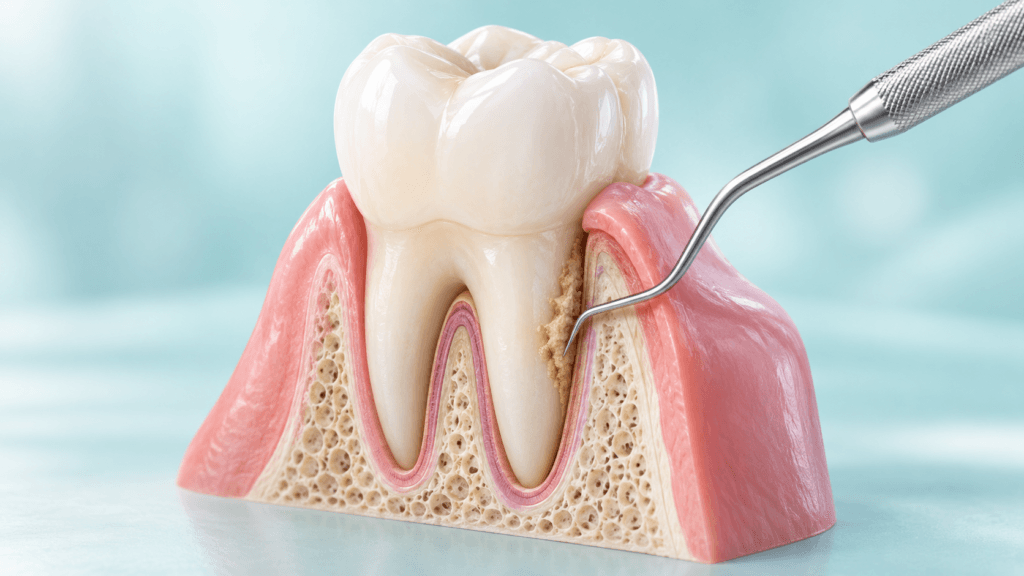
“Deep cleaning” is a patient-friendly term that commonly refers to scaling and root planing, a non-surgical periodontal treatment. It is used to remove deposits and bacterial buildup from root surfaces below the gumline in areas affected by periodontal disease.
The work may be completed in sections of the mouth, depending on the extent of treatment and the approach recommended by the dental professional. Local anesthetic may be considered to help keep treatment comfortable. Temporary tenderness, sensitivity or minor bleeding can occur afterward, particularly when gums are inflamed or root surfaces have been exposed. Your dental team can explain what is expected in your case and when to contact them.
Deep cleaning is not a substitute for daily home care, and it is not automatically needed because someone has missed a cleaning. Its purpose is to reduce the bacterial deposits that contribute to periodontal inflammation and to create conditions that are easier to maintain with home care and professional follow-up.
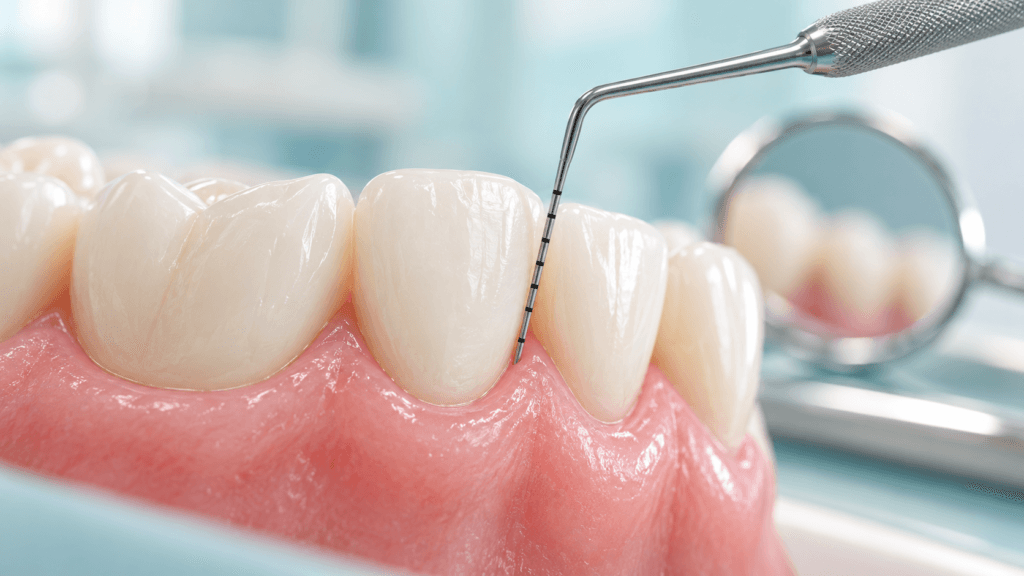
Why gum-pocket measurements matter
The gum does not sit directly against the tooth like a sealed edge. There is a small space around each tooth that can be measured with a periodontal probe. During an exam, the clinician records pocket depths and looks for bleeding, gum recession, calculus, tooth mobility and other signs that help show the condition of the tissues supporting the teeth.
One number alone does not decide whether you need deep cleaning. A dentist considers the full picture, which may include your gum health over time, X-rays when appropriate, smoking or vaping history, medical history, home-care patterns and whether there is evidence of bone loss or active disease.
This is why a recommendation should be explained in plain language. Useful questions include:
- Which teeth or areas are affected?
- What findings point to periodontal disease rather than gingivitis or routine plaque buildup?
- Is the proposed care scaling and root planing, or another type of periodontal treatment?
- Will local anesthetic be used, and what should I expect afterward?
- When will my gums be reassessed?
When should you ask for an examination?
Bleeding when brushing or flossing, persistent bad breath, red or swollen gums, gum recession, tenderness, new spaces between teeth, or teeth that feel different when biting are reasons to arrange an assessment. They do not prove that you need a deep cleaning. Some symptoms can have other causes, and periodontal disease may progress with few noticeable symptoms.
The right treatment follows the diagnosis. A cleaning may be appropriate when the gums are healthy or when preventive care is all that is needed. Scaling and root planing may be recommended when the periodontal assessment identifies disease-related deposits below the gumline or other findings that call for non-surgical periodontal treatment.
Can a routine cleaning treat gum disease?
Routine preventive care can be valuable for maintaining healthy gums and for early gum inflammation, but it may not reach deposits below the gumline when periodontal disease is present. In those situations, a dentist or hygienist may recommend periodontal treatment and a follow-up assessment.
It is also possible for a patient to need a personalized maintenance interval after periodontal treatment. That interval is based on risk and clinical response, not a universal calendar rule. The most useful plan is one you can maintain with consistent home care and follow-up.
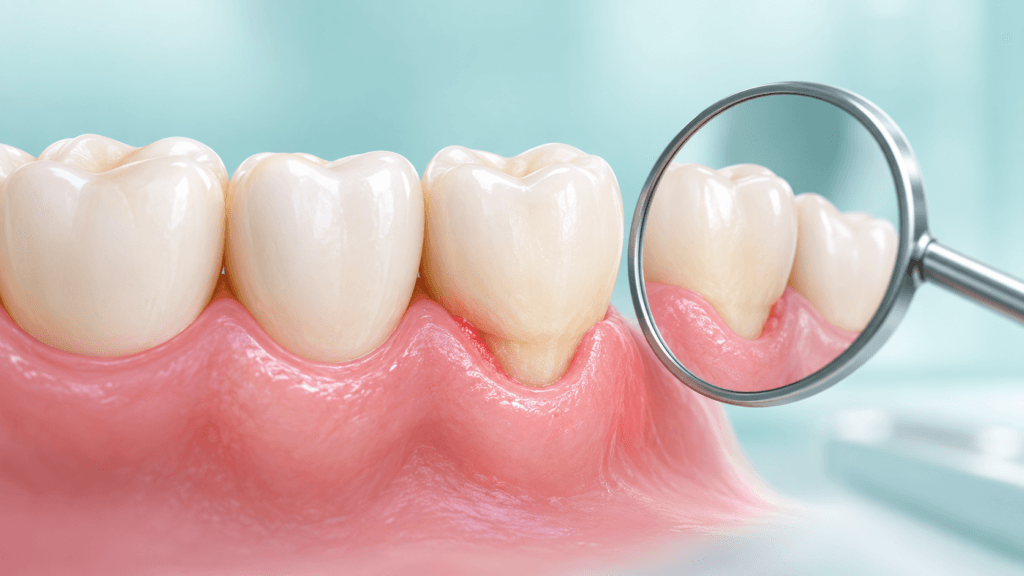
What if you have a gum recession?
Recession is not the same thing as periodontal disease, although the two can occur together. It can have several contributing factors, including gum inflammation, brushing habits, tooth position and bite-related forces. Deep cleaning does not grow back lost gum tissue, but addressing active inflammation can be an important part of protecting the tissues that remain.
If your main concern is a receding gumline, you can explore gum treatment options with a dentist. The right approach depends on the cause, the amount and location of recession, and your overall periodontal health.
Before you agree to treatment, ask for a clear explanation of the findings and the plan for reassessment. You should understand what problem is being treated, which areas are involved, what the appointment will feel like, and what follow-up care is expected.
Frequently Asked Questions
Comfort varies by person and by the areas being treated. Local anesthetic may be used for scaling and root planing. Some temporary tenderness or sensitivity afterward is possible, and your dental team can give you care instructions tailored to your treatment.
Not necessarily. Bleeding can be a sign of inflammation, but a periodontal examination is needed to determine its cause and whether deeper treatment is appropriate.
It is reasonable to ask why a recommendation was made and what the alternatives are. If periodontal treatment is indicated, a routine cleaning may not address the areas below the gumline that need care. Your dentist can help you make an informed decision based on the examination.
After periodontal treatment, your dental team may recommend periodontal maintenance and a follow-up interval based on your clinical response and risk factors.
The takeaway
The difference between dental cleaning and deep cleaning is not about getting a “better” cleaning. It is about treating the condition of your gums and supporting tissues are actually showing. A proper examination, clear explanation and follow-up plan are the best way to decide what care you need.
If you have questions about gum bleeding, tartar buildup or a recommended treatment plan, Revita Dentistry can help you understand your options and the next appropriate step.