


- Reviewed by
Table of Contents
Can Bonding for Chipped Teeth and Gaps Improve Your Smile?
Yes, dental bonding can often improve a minor chip or make a small gap between teeth less noticeable. It is usually most useful when the tooth is healthy, the concern is modest, and the added composite will not be exposed to heavy biting forces. It is not a replacement for diagnosing a traumatic fracture, treating gum disease, or correcting a bite problem that is causing teeth to chip or shift.
The key question is whether bonding will look natural, be comfortable when you bite, remain cleanable, and suit the cause of the chip or gap.
At Revita Dentistry, a dentist can assess the tooth before recommending cosmetic repair. If you are exploring treatment, learn more about dental bonding in Brampton.
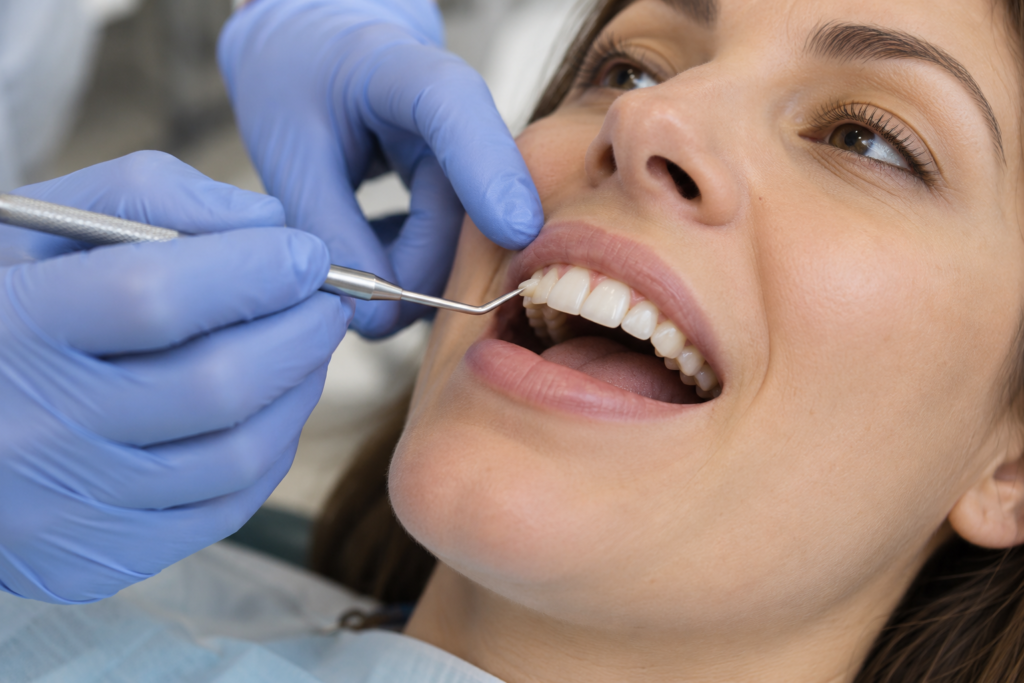
Quick answer: bonding suitability
For people researching bonding for chipped teeth and gaps, suitability depends on the size of the concern and tooth health.
Bonding is often considered for a small chip along a front tooth edge, a worn corner, minor unevenness between teeth, or a narrow space between otherwise well-positioned teeth. Tooth-coloured composite resin is placed directly on the tooth, shaped, and hardened so the dentist can refine the tooth’s outline.
It may be less suitable for a badly broken, loose, painful, or deeply cracked tooth. A small-looking chip can involve more than visible enamel, and a gap can reflect tooth movement, gum changes, missing teeth, or a bite concern.
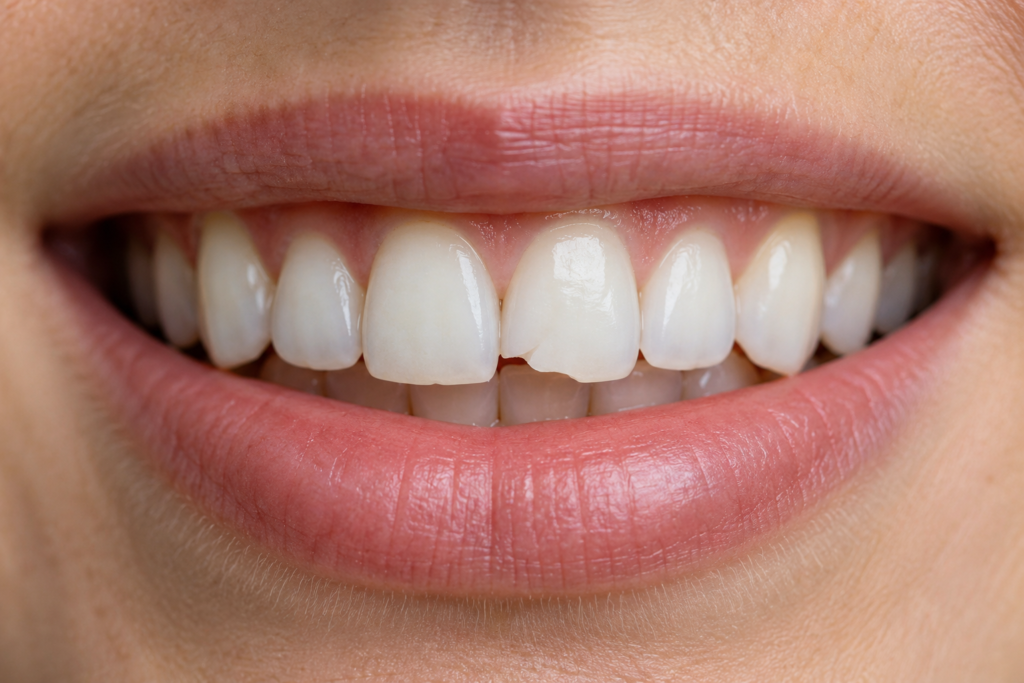
Can bonding repair a chipped tooth?
For a minor chip, often yes. The dentist may use composite to rebuild a small missing corner, soften a sharp edge, or restore a more balanced shape, especially where one front tooth has a small notch or looks shorter than its neighbour.
The location of the chip matters. A small edge chip on a front tooth may suit contouring with composite, while a chip on a back tooth or a heavily loaded area may call for another material or treatment. The dentist will also consider how much healthy tooth structure remains.
A chip is not always just a cosmetic issue
Before bonding, the cause should be considered. Repeated damage can be associated with clenching, grinding, an uneven bite, or a restoration that hits first when you close your teeth. Your dentist may discuss a protective appliance, bite adjustment, or another approach to reduce the risk of another chip.
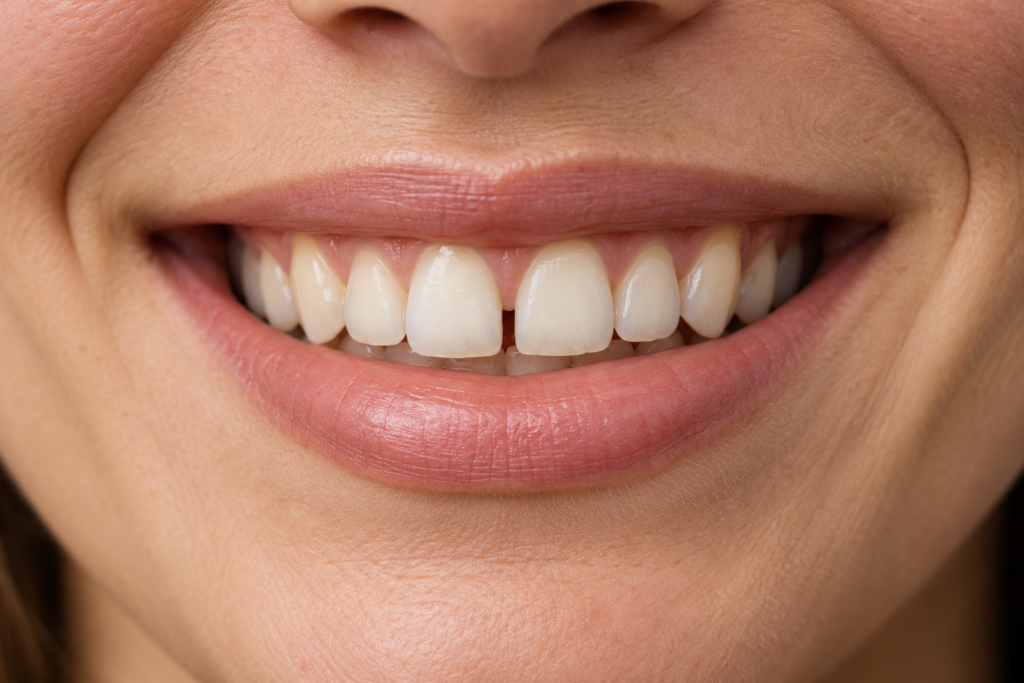
Can bonding close a small gap between teeth?
Bonding can sometimes reduce the appearance of a small gap, often between the front teeth. A dentist may add a measured amount of composite to one or both teeth, creating a more even proportion while preserving a natural look.
This works best when the gap is modest and the teeth are already in an appropriate position. The dentist must leave shapes that look balanced and spaces that can still be cleaned properly. If too much material is needed, the teeth may appear overly wide or create contours that trap plaque.
For a wider gap or a gap caused by tooth position, orthodontic treatment may be the more conservative way to change the space because it moves the teeth rather than making them larger. If gums are inflamed or teeth have shifted due to periodontal disease, gum care and a stability assessment should come before cosmetic bonding.
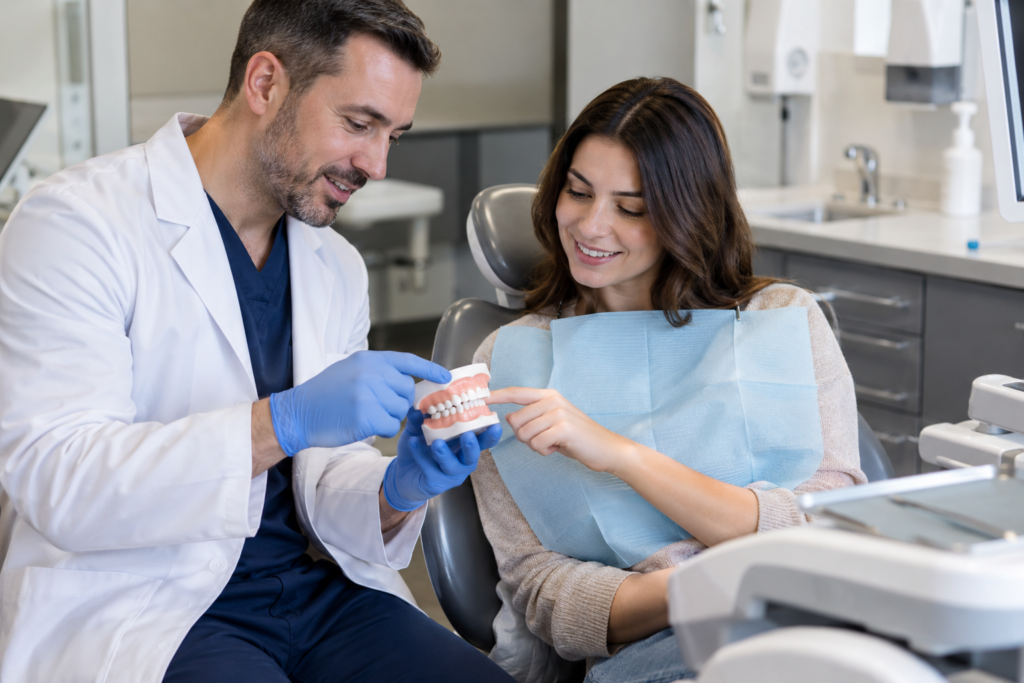
What happens at a bonding assessment?
An assessment should look beyond the mirror. Your dentist may examine the chip or gap, surrounding enamel, gum health, signs of wear, and the way your teeth meet. After an injury, they may also assess how the tooth responds.
Useful questions to ask include:
- Will bonding solve the problem, or only cover it temporarily?
- Will the repair change how my teeth meet or how I clean around the gumline?
- How can I reduce the risk of chipping again, and is another treatment a better fit?
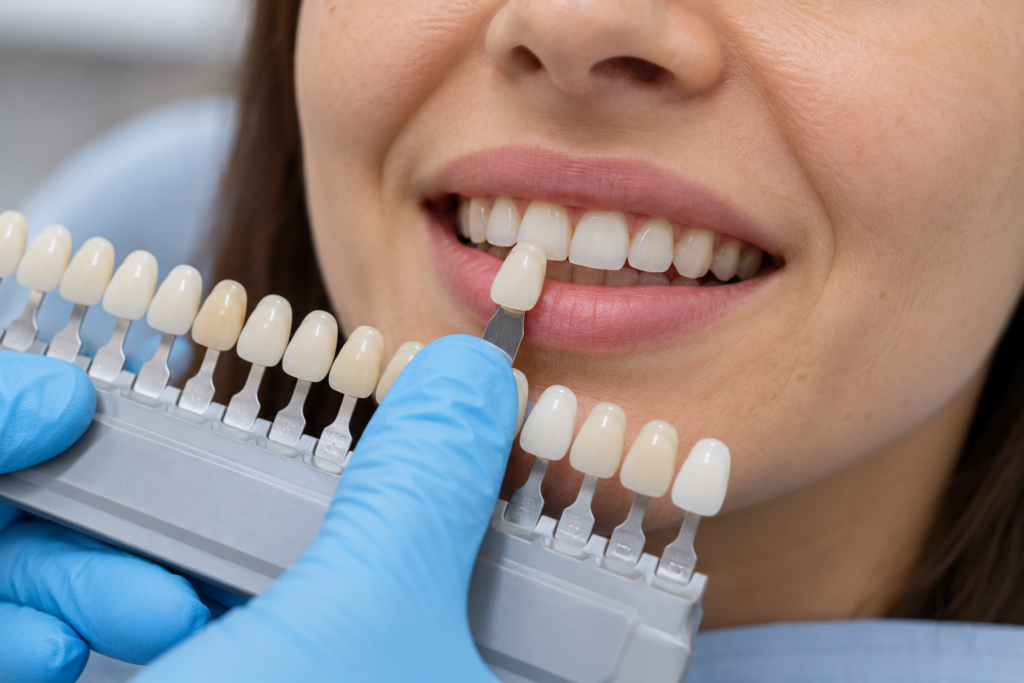
This planning helps bonding look intentional rather than bulky or uneven, while addressing shade matching and realistic maintenance.
When bonding is not the right first step
Bonding should not be assumed to be the answer in these situations:
- A new injury with significant symptoms. Pain, lingering sensitivity, swelling, bleeding, a loose tooth, or a change in your bite can indicate an injury that needs prompt assessment.
- A crack or larger fracture. The tooth may need protection or a different restorative option.
- Active decay or gum disease. The underlying health issue should be treated first.
- Repeated chipping. The cause of the force needs attention, not only the missing piece.
- A gap caused by tooth movement. Orthodontic or periodontal care may address the reason for the gap more directly.
If a tooth has broken or feels different after an accident, do not wait for a cosmetic repair to decide whether it needs care. Review Revita’s guidance on care for chipped teeth and contact a dentist promptly for concerning symptoms.
Bonding compared with other options
Your dentist may recommend a different option depending on the tooth, the amount of damage, and your bite.
| Option | May be considered for | What to think about |
|---|---|---|
| Composite bonding | Minor chips, small gaps, and limited shape changes | Composite may wear, stain, or chip and can require repair or replacement. |
| Smoothing or reshaping | Very shallow edge irregularities | Only a limited amount of enamel can be safely adjusted. |
| Veneers | More extensive cosmetic changes in selected cases | Usually follows a different treatment plan and may involve tooth preparation. |
| Orthodontic treatment | Gaps or asymmetry related to tooth position | Moves teeth instead of adding material to their surfaces. |
| Crown or other restorative care | More significant structural damage | The choice depends on remaining tooth structure and the tooth’s overall condition. |

Caring for bonded teeth
Brush twice a day with fluoride toothpaste, clean between teeth daily, and attend regular dental visits. Avoid using teeth to open packages, hold objects, or bite hard non-food items.
Composite can pick up stains differently from natural enamel. If the bonded area becomes rough, discoloured, or chipped, a dentist can assess whether polishing, repair, or replacement is appropriate.
Frequently Asked Questions About Dental Bonding
For a small cosmetic repair, bonding often requires little or no tooth preparation. Comfort varies, and anesthesia may be recommended if the tooth is sensitive, decayed, or requires additional care. Your dentist can explain what to expect after examining the tooth.
No. A small enamel chip may be a good candidate, but a deeper fracture, a tooth with nerve involvement, or damage below the gumline may need another treatment. An examination is important even when the chip looks minor.
Bonding can reduce the appearance of a small gap, but composite can wear, stain, or chip and may need upkeep. If the teeth are moving or the gap has an underlying cause, a plan that addresses that cause may be more durable.
Whitening does not change existing composite in the same way it changes natural enamel. If whitening is part of your goal, discuss the timing first so any bonding can be matched to your preferred tooth shade.
Contact a dentist promptly, especially if you have significant pain, swelling, bleeding, a loose tooth, sharp sensitivity, or an altered bite. Avoid chewing on the affected side until you have been assessed.
A small repair should still have a clear plan
Dental bonding can be an effective, conservative option for selected small chips and gaps. The best result is not simply a repaired edge or closed space. It is a repair that fits the tooth’s health, shape, bite, and long-term care needs.
Still unsure? Revita Dentistry can help determine whether bonding or another option suits your tooth health, bite, and goals.