


- Reviewed by
Table of Contents
Four Signs You Should Book a Dental Exam Sooner
Ongoing tooth pain, repeated gum bleeding, an unusual mouth sore or damaged dental work are signs you need a dental exam sooner than your next scheduled checkup. These changes do not all mean something serious, but they deserve attention rather than waiting for a routine reminder.
Contact your dental team and describe what has changed. They can help determine how quickly you should be seen and whether you need an appointment focused on a particular concern.
If you are considering a dental exam in Brampton, explaining your symptoms when you book helps the team plan an appropriate assessment.
Seek emergency help immediately if you have trouble breathing, difficulty swallowing because of swelling, or heavy bleeding that will not stop. Call 911 or go to the nearest emergency department.
1. Tooth Pain or Sensitivity That Persists or Changes

A brief reaction to something cold can feel different from an ache that keeps returning. Contact your dentist if sensitivity is new, continues, becomes stronger or starts affecting how you eat.
Describe whether:
- One tooth or several teeth seem affected.
- Pain continues after the hot or cold food is gone.
- Biting or chewing causes discomfort.
- Pain occurs without an obvious trigger or interrupts your sleep.
Sensitivity can have several causes, including exposed tooth roots, worn enamel, decay, a cracked tooth or a worn filling. The symptom alone cannot tell you which problem is present.
Seek urgent dental advice if pain is severe, difficult to control or accompanied by facial swelling or fever. These symptoms can occur with a dental infection and need prompt assessment.
2. Gums That Bleed Repeatedly or Look Swollen
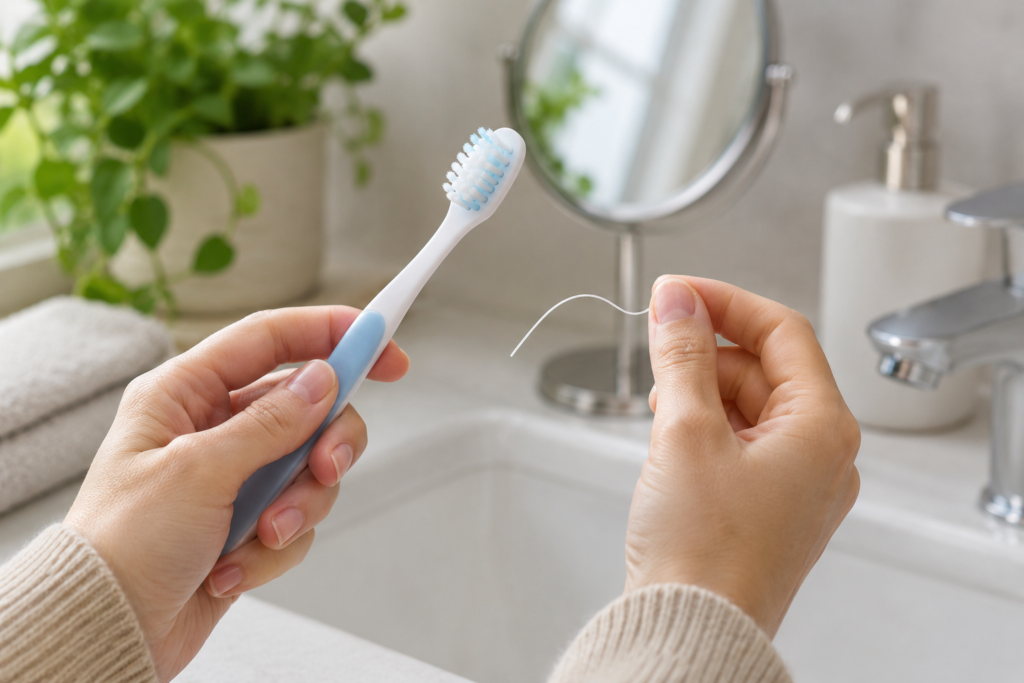
If you regularly see blood when brushing or cleaning between your teeth, arrange a dental assessment. Mention any accompanying redness, tenderness or swelling.
Bleeding can be a sign of gum inflammation, including gingivitis. It can also have other contributors, such as changes in cleaning habits, pregnancy or certain medications. A dentist can assess what is happening rather than assuming that every instance has the same cause.
A small amount of bleeding after accidentally injuring your gum with floss is different from bleeding that keeps returning. Tell the dental team how often it happens, whether it affects one area or several, and whether it occurs without brushing.
Continue cleaning gently with a soft-bristled toothbrush. If cleaning between your teeth is uncomfortable, ask your dental team about an appropriate technique. If you take medication that affects bleeding, tell your dentist and do not change it without advice from the prescribing clinician.
Heavy or uncontrolled bleeding needs urgent attention rather than a routine appointment.
3. A New Lump, Unusual Patch or Mouth Sore That Is Not Healing

Dental concerns can involve the tongue, cheeks, lips and other soft tissues as well as the teeth.
Contact your dentist about a new unexplained lump, a red or white patch, a change in tissue texture or a sore that is not healing. Unexplained numbness or persistent discomfort also warrants assessment. These changes can have several causes and do not, by themselves, mean you have cancer.
A sore or patch that has not healed within two weeks should be assessed. However, two weeks is not a waiting period for every mouth change. Report a new lump, an enlarging area, unexplained bleeding or another concerning change promptly.
When you call, explain where the change is, when you first noticed it and whether it has grown or changed colour. A dated photograph may help you describe how it has developed, but it cannot replace an examination.
Your dentist can examine the area and explain whether follow-up or further testing is needed. An examination alone cannot confirm every diagnosis.
4. A Broken Tooth, Lost Filling or Loose Crown
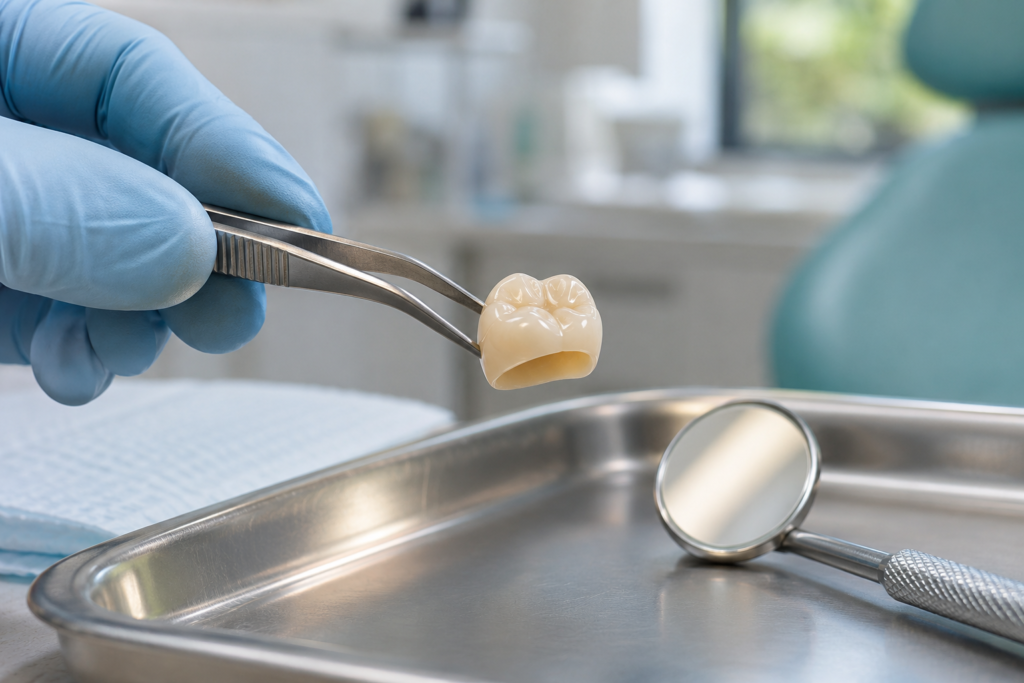
Contact your dentist if a tooth chip, a filling falls out or a crown feels loose, even if eating is still comfortable.
Tell the team if you notice:
- A piece of tooth or filling has broken away.
- A crown feels loose or has come off.
- A new sharp edge catches your tongue or cheek.
- Your teeth meet differently when you bite.
Pain is not the only reason to have damaged dental work checked. Your dentist checks the tooth and any remaining filling or crown before recommending a repair, replacement or other treatment.
Until you receive advice, avoid chewing hard or sticky foods on the affected tooth. Do not repeatedly test a loose crown by biting on it.
A broken tooth or lost filling should be assessed promptly. If the damage follows an injury, or you also have significant pain, swelling or bleeding, explain that when you call so the team can assess the urgency.
Revita’s overview of the conditions we treat provides further information about concerns such as damaged teeth, sensitivity and gum problems.
What to Tell the Dental Team When You Call
Describe the change in your own words. You do not need to know the dental term or decide which treatment you need.
Useful details include:
- When you first noticed the problem.
- Whether it is improving, staying the same or getting worse.
- What triggers discomfort and how long it lasts.
- Whether it affects eating or sleeping.
- Any recent dental treatment or injury.
For example:
“My lower right tooth has been sensitive for several days, and now it hurts when I chew. My next checkup is in two months. Should I be seen sooner?”
Mention swelling, fever or bleeding at the start of the call. These details help the team assess your needs and arrange an appropriate next step.
Frequently Asked Questions
Yes. Dental discomfort can be difficult to locate precisely. Describe the general area where you feel it. Your dentist can assess the area and decide whether additional tests are needed. You do not need to identify the tooth yourself.
Tell the practice if another dentist holds your records or recent X-rays. Ask how to arrange a transfer with your consent so the dental team can review the available information.
Mention your anxiety when booking and explain what worries you, such as discomfort, sounds or a previous experience. Ask about discussing the examination before it begins, agreeing on a pause signal and taking breaks. The team can explain which arrangements may be available.
Booking an examination does not mean you have agreed to every treatment that might be recommended. You can ask your dentist to explain the findings, available options, expected costs and consequences of delaying care before deciding how to proceed.
Unsure Whether Your Next Checkup Can Wait?
Noticed a change in your mouth and unsure whether your next checkup can wait? Contact Revita Dentistry in Brampton and describe what you have noticed.