

- Reviewed by
Table of Contents
Root Canal Recovery: Pain, Eating and Aftercare
Root canal recovery can involve mild tenderness for a few days, particularly when you bite. The discomfort should gradually improve. Following your dentist’s instructions, choosing comfortable foods and keeping the area clean can help you care for your tooth during recovery. Severe or worsening pain needs a dental assessment.
This guide covers aftercare following routine, nonsurgical root canal treatment. If you have had root canal surgery, follow the separate instructions provided by your treating dentist.
How Long Does Root Canal Recovery Take?
Mild soreness often settles over the first few days, but recovery varies with the tooth’s condition before treatment and the treatment required. There is no single day when every tooth should feel completely normal.
Pay attention to whether your symptoms are improving. Tenderness that becomes less noticeable is different from pain that grows stronger, returns after improving or interferes with everyday activities. Contact your dentist if pain persists beyond a few days without clear improvement.
Your next appointment depends on whether the root canal is finished and whether the tooth still needs its final filling or crown. Before leaving, confirm what has been completed and what still needs to be done
What Discomfort Can You Expect?
Tenderness Around the Treated Tooth
The tooth and surrounding area may feel tender after treatment. You might notice it most when the tooth is touched or pressure is placed on it. Mild jaw soreness can also occur after keeping your mouth open during the appointment.
Avoid repeatedly biting down to test the tooth. If the treated tooth seems to meet the opposing tooth before the rest of your teeth do, contact your dentist so they can check how your teeth meet.
Managing Discomfort Safely
Your dentist may recommend a pain reliever such as acetaminophen or ibuprofen, depending on your health and other medicines. Follow their instructions and the product label.
Check with your dentist or pharmacist if you are unsure which medicine is suitable for you. Do not exceed the recommended dose because pain is continuing. Contact your treating dental team if the recommended pain relief is not helping.
When Can You Eat After a Root Canal?
Wait until the numbness has worn off before eating, and follow any additional waiting period your dentist gives you. Eating while numb can make it easier to bite your cheek or tongue without noticing.
Choose Foods That Need Little Chewing

Once you can eat safely, soft foods may be more comfortable. Options include:
- Scrambled eggs
- Yogurt
- Mashed potatoes
- Soft pasta
- Soft cooked vegetables
- Flaky fish
Chew on the opposite side while the treated tooth is awaiting its final restoration. Avoid using it to bite hard, crunchy or especially chewy foods. Nuts, ice and sticky sweets can place unnecessary stress on the tooth or its temporary restoration.
Return to your usual foods according to your comfort and your dentist’s advice.
How Should You Brush and Floss?
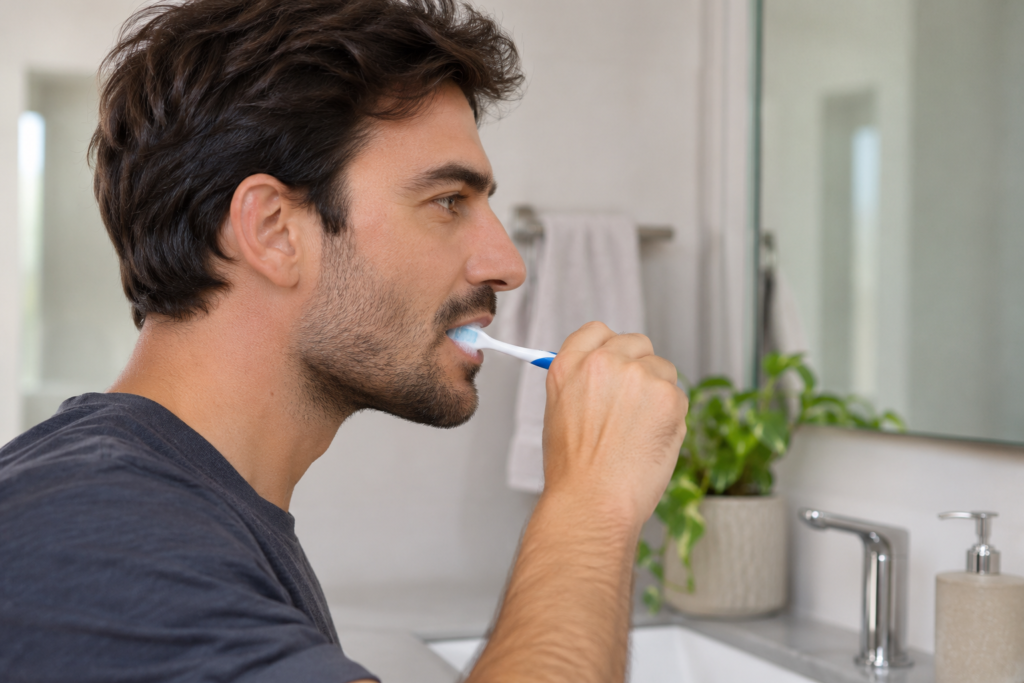
Continue brushing and cleaning between your teeth unless your dentist gives you different instructions. Be gentle around the treated area, particularly if the gums are tender.
If you have a temporary filling or crown, ask whether you need to adjust your cleaning technique. Contact the clinic if floss catches or cleaning appears to loosen the restoration.
Your individual aftercare instructions take priority over general advice, especially if other dental treatment was completed at the same appointment
Caring for a Temporary Filling or Crown
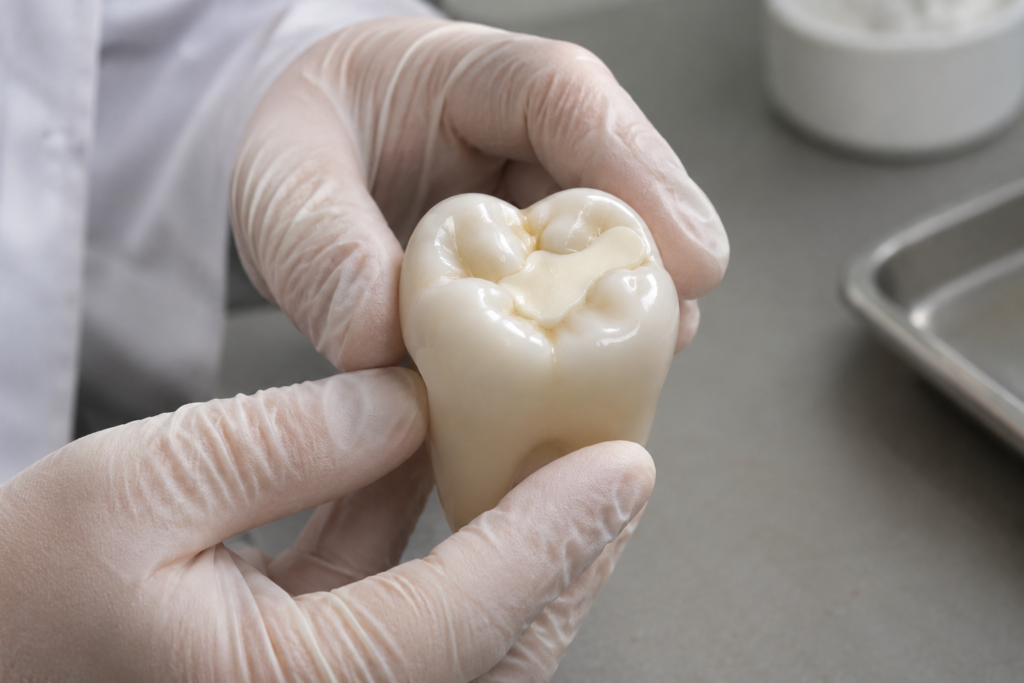
A temporary restoration protects the tooth between appointments. It does not replace the planned permanent filling or crown.
Avoid chewing on the treated tooth while it has a temporary restoration, and keep your next appointment even if it feels comfortable. Pain can settle before the tooth is fully restored, and the remaining tooth may still be vulnerable to fracture.
If a temporary filling or crown comes out, contact your dentist promptly. A thin surface layer of temporary filling material may wear away, but a missing filling, a clear opening or a loose crown should be checked. If you cannot tell what has happened, ask the clinic for advice.
When Should the Final Crown or Filling Be Placed?
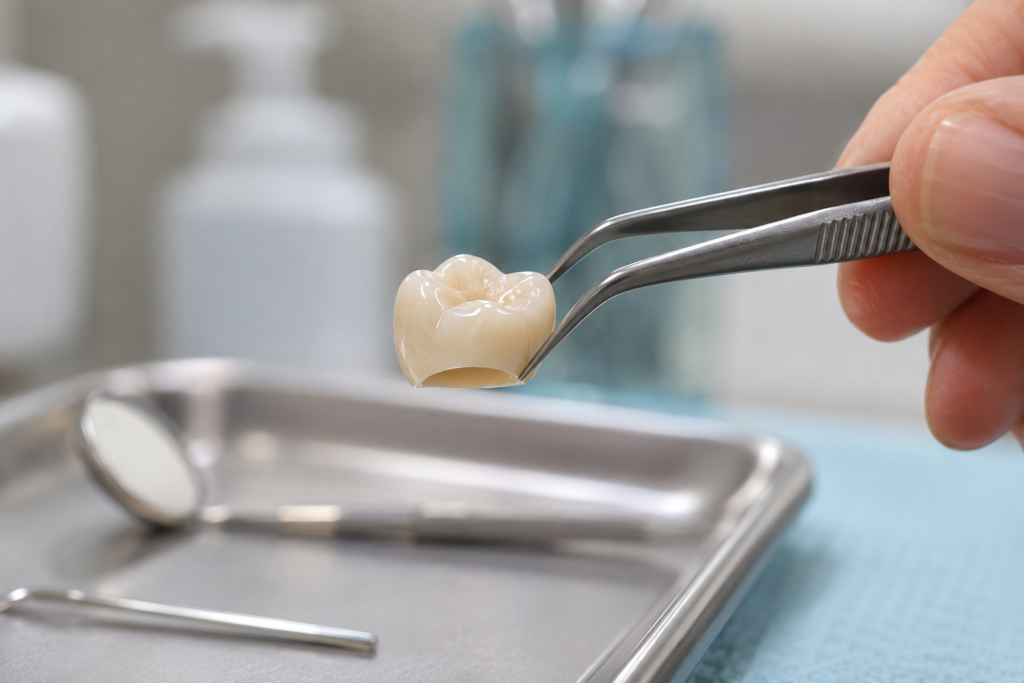
Arrange the final restoration according to your dentist’s treatment plan once the root canal treatment is complete.
The appropriate restoration depends on which tooth was treated and how much healthy tooth remains. Back teeth often need crowns because they carry substantial chewing forces. Other teeth may be suitable for a permanent filling. A crown is not automatically required for every root canal-treated tooth.
If your dentist recommends a dental crown restoration, ask when it should be fitted and how to protect the tooth until then. Your dentist recommends the timing based on your tooth and treatment.
When Should You Contact Your Dentist?
Symptoms That Need Prompt Dental Advice
Contact your treating dentist promptly if you notice:
- Severe pain, worsening pain or pressure that is not settling
- Visible swelling inside or outside your mouth
- A bite that feels uneven
- A temporary filling or crown that becomes loose or comes out
- Symptoms from before treatment returning
These changes need assessment rather than simply continuing home care.
Fever, a new bad taste or discharge, particularly with pain or swelling, also warrants urgent dental advice. If the clinic is closed, seek an urgent dental service.
Frequently Asked Questions
If you receive only local anaesthetic and feel well, you can generally drive afterward. Sedation or medicines that cause drowsiness can change this. Follow the treating team’s instructions and arrange transport if advised.
Antibiotics are not routinely needed for every root canal. Your dentist decides whether they are appropriate based on factors such as signs of spreading infection and your medical circumstances. If prescribed, take them exactly as directed and contact the prescriber if you develop side effects.
Yes. Root canal treatment treats the inside of the tooth, but the remaining natural tooth can still develop decay. A crown or filling does not remove the need for ongoing cleaning and dental examinations.
Follow-up X-rays can help your dentist assess changes in the tissues around the root that cannot be judged from symptoms alone. Your dentist decides whether they are needed and when, based on your tooth and treatment.
Get Advice About Your Next Step
Unsure whether your symptoms are expected or when your final restoration should be completed? Contact your treating dentist for advice specific to your tooth. For care in Brampton, learn more about Revita Dentistry and discuss your next step with the team.