


- Reviewed by
Table of Contents
How Long Does Composite Bonding Last?
Composite bonding can last several years. A general estimate is around three to 10 years before a touch-up or replacement may be needed, although individual results vary. Some bonding needs attention earlier, while other restorations remain in good condition longer.
How long your composite bonding lasts depends on where it is placed, how your teeth meet, your daily habits and the health of the supporting tooth. A small repair during that time does not necessarily mean the entire restoration needs replacing.
If you are considering composite bonding in Brampton, your dentist can assess these factors and explain what maintenance may be needed for your particular teeth.
What Does the Lifespan Estimate Mean?
Bonding does not have an expiry date. Its condition matters more than its age alone.
Over time, composite resin may develop surface staining, lose some of its polish or show signs of wear. These changes do not all require the same treatment. A rough surface may need polishing, while a small chip may be suitable for repair.
When discussing longevity, ask whether the estimate refers to time before the first touch-up, a repair or full replacement. These are different outcomes, and a restoration may continue functioning after minor maintenance.
What Affects How Long Composite Bonding Lasts?
Where the Bonding Is Placed
The position and shape of the bonding influence the pressure it receives.
Composite added to lengthen a front tooth may contact the opposing teeth whenever you bite or move your jaw. Bonding on another surface may receive less direct pressure. The amount of remaining tooth structure and the extent of the repair also matter.
Your dentist assesses how the planned restoration will fit into your bite before recommending treatment.
Grinding, Clenching and Biting Habits
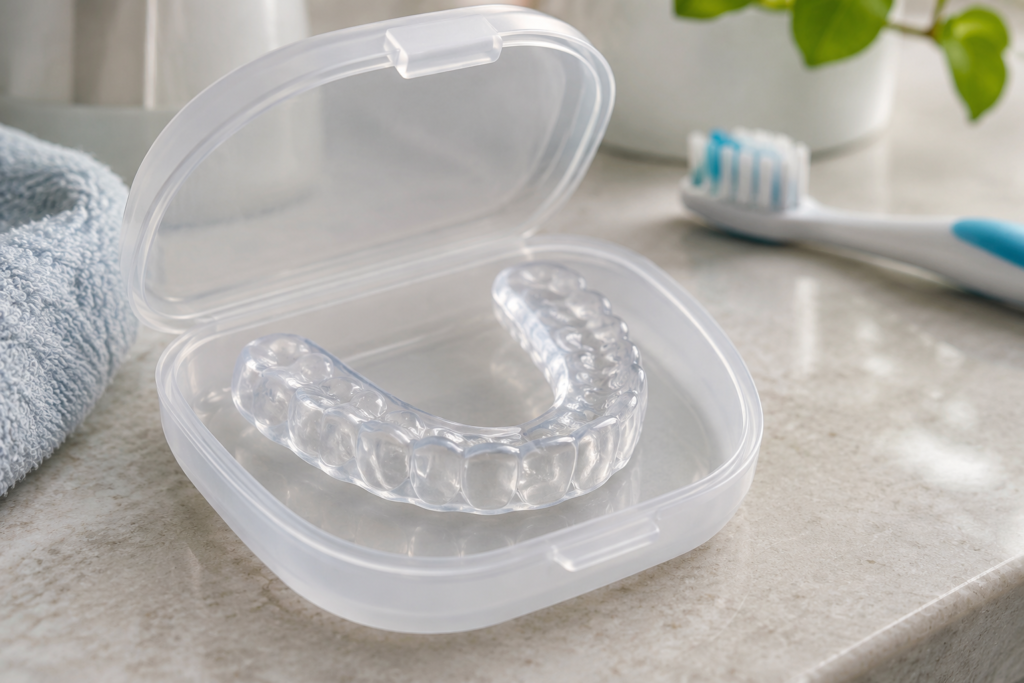
Grinding and clenching can repeatedly place pressure on bonded teeth, increasing the risk of wear or chipping. Chewing ice, biting fingernails and using teeth to open packaging can also damage the material.
Tell your dentist if you grind your teeth or have a history of breaking dental work. They may recommend a protective appliance or changes to the treatment plan. A night guard may help protect teeth and restorations in suitable cases, but it does not guarantee that bonding will remain undamaged.
The Health of the Supporting Tooth
Composite resin does not develop cavities, but the natural tooth around it can.
Plaque can collect near the edges of a restoration, particularly where cleaning is difficult. Decay or other changes in the supporting tooth may affect whether existing bonding can remain in place.
Daily cleaning and dental examinations help protect the tooth and identify problems that may not yet be visible or uncomfortable.
Staining and Surface Wear
Composite bonding can gradually become stained or lose its original smooth finish. Coffee, tea, red wine and tobacco may contribute to changes in colour.
Appearance and strength are separate considerations. Staining alone does not establish that the bonding has failed. Your dentist can assess whether the change is limited to the surface or whether another problem needs attention.
How Can You Help Your Bonding Last?

Most ongoing care involves protecting the bonded teeth and keeping the surrounding teeth and gums healthy.
- Brush twice daily with fluoride toothpaste. Use a soft-bristled toothbrush and clean carefully along the gumline.
- Clean between your teeth every day. Ask your dental team for advice if an area around the bonding is difficult to reach.
- Avoid chewing hard objects. Ice, pens and fingernails can place concentrated pressure on bonded edges.
- Use suitable protection during sports. A properly fitted mouthguard helps protect teeth during activities that could cause a mouth injury.
- Follow an individual dental recall schedule. The right interval depends on your oral health and treatment needs.
Professional dental cleaning helps manage plaque, tartar and surface stains. Let the dental team know which teeth have bonding so they can plan appropriate care.
Good maintenance can reduce avoidable problems, although normal wear and accidental damage may still occur.
Can Composite Bonding Be Repaired Instead of Replaced?
A small problem does not automatically mean all the bonding must be removed. Your dentist considers the extent of the damage, the condition of the remaining material and the health of the tooth.
| Condition of the bonding | Possible approach after assessment |
|---|---|
| Surface roughness or superficial staining | Smoothing or polishing |
| A small chip with the remaining bonding in good condition | Repairing the affected area |
| A small defect at the edge of the bonding | Local repair where appropriate |
| Extensive damage, decay or widespread deterioration | Replacement or another treatment |
Repair may preserve healthy tooth structure and existing composite that is still functioning well. However, it is not suitable for every situation.
If the same area repeatedly chips, the dentist may need to reassess the bite, the restoration’s shape or the supporting tooth before repairing it again.
When Should You Have Your Bonding Checked?
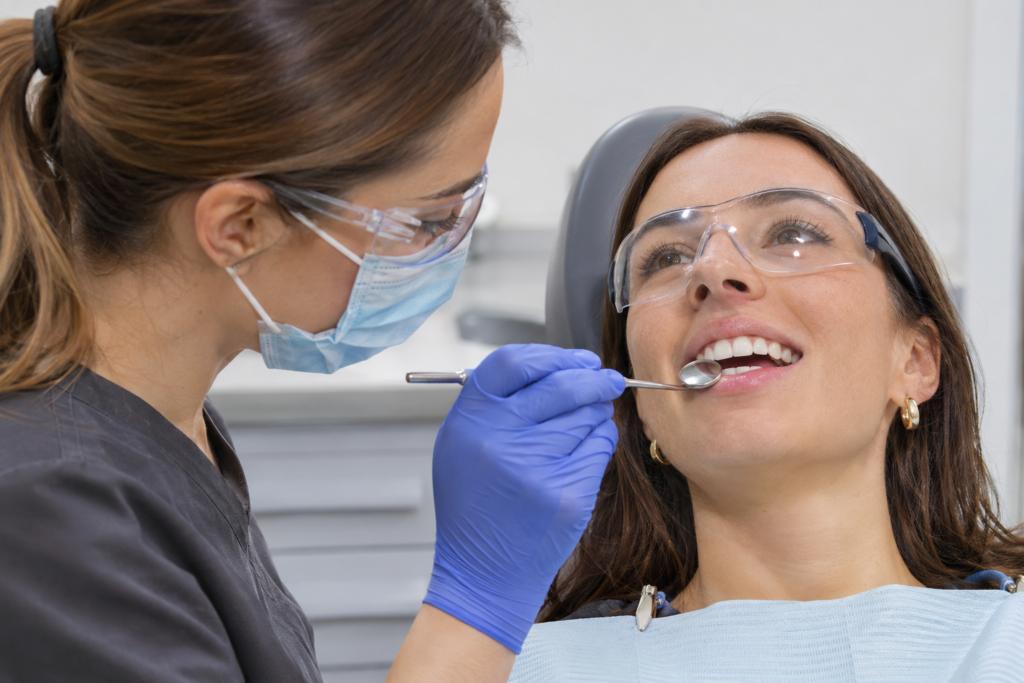
Arrange an assessment if you notice:
- A new chip, sharp edge or missing piece.
- Pain when biting or persistent sensitivity.
- A change in how your teeth meet.
- Floss repeatedly catching or shredding at the same edge.
- A change in colour, shape or texture that concerns you.
These signs can have different causes. An examination helps determine whether the issue involves the composite, the underlying tooth or the surrounding gums.
Avoid filing down a rough edge or attempting a repair yourself. Your dentist can check the area and explain the appropriate next step.
Frequently Asked Questions
Whitening treatments lighten natural teeth but do not change the colour of existing composite bonding in the same way. This can create a noticeable colour difference. Speak with your dentist before whitening so they can discuss shade matching and the order of any planned treatment.
Your dentist can select the colour, translucency and surface finish of new composite to help it blend with existing bonding and nearby teeth. Older bonding may have changed in appearance, making an exact match more challenging. Your dentist can explain what result is realistic before treatment.
Not necessarily. Your dentist assesses each restoration and its supporting tooth independently. Bonding in good condition may remain in place while another area receives treatment. If several restorations need attention, your dentist can discuss which should be treated first and whether treatment should be coordinated across appointments.
Share approximately when the bonding was placed, why it was done and whether it has been repaired before, if you know. Previous dental records may also help. If you do not know its history, your dentist can still examine the bonding and supporting teeth to assess their current condition.
Have Questions About Your Composite Bonding?
If you are considering bonding or have noticed a change in an existing restoration, the dental team at Revita Dentistry in Brampton can assess your teeth and discuss whether monitoring, polishing, repair or replacement may be appropriate.