


- Reviewed by
Table of Contents
Lost Filling or Crown: What to Do First Until You See a Dentist
If you have lost a filling or crown, keep the tooth clean, avoid chewing on that side and contact your dentist promptly. Save the crown if you have it and bring it to your appointment. Do not try to glue it back into place.
A lost filling or crown does not always require immediate treatment. How quickly you need care depends on your symptoms and the condition of the tooth. Even without pain, arrange an assessment rather than waiting for discomfort to develop.
If you have difficulty breathing or swallowing, substantial swelling in your mouth or neck, or uncontrolled bleeding, seek emergency medical care immediately. Call 911 if you need emergency assistance.
For advice about a missing restoration, contact Revita Dentistry about urgent dental care in Brampton. Describe what happened and whether you have pain, swelling or bleeding so the dental team can assess the urgency.
What to Do When a Filling or Crown Falls Out
A filling replaces a missing portion of a tooth, while a crown covers a prepared tooth. When either comes out, protecting the remaining tooth is the priority until you can have it examined.
Save the Crown or Restoration Fragments
If the crown has come completely out, place it in a clean container and bring it to your dentist. You can also keep any recovered pieces of the filling or crown.
If you think a piece of natural tooth has broken off, tell the dental team and ask how to store it. Natural tooth fragments may need different handling from restoration pieces.
Do not force a crown back onto the tooth. If it remains partly attached, avoid pulling, twisting or repeatedly testing it. Contact your dentist for instructions.
Clean the Area Gently
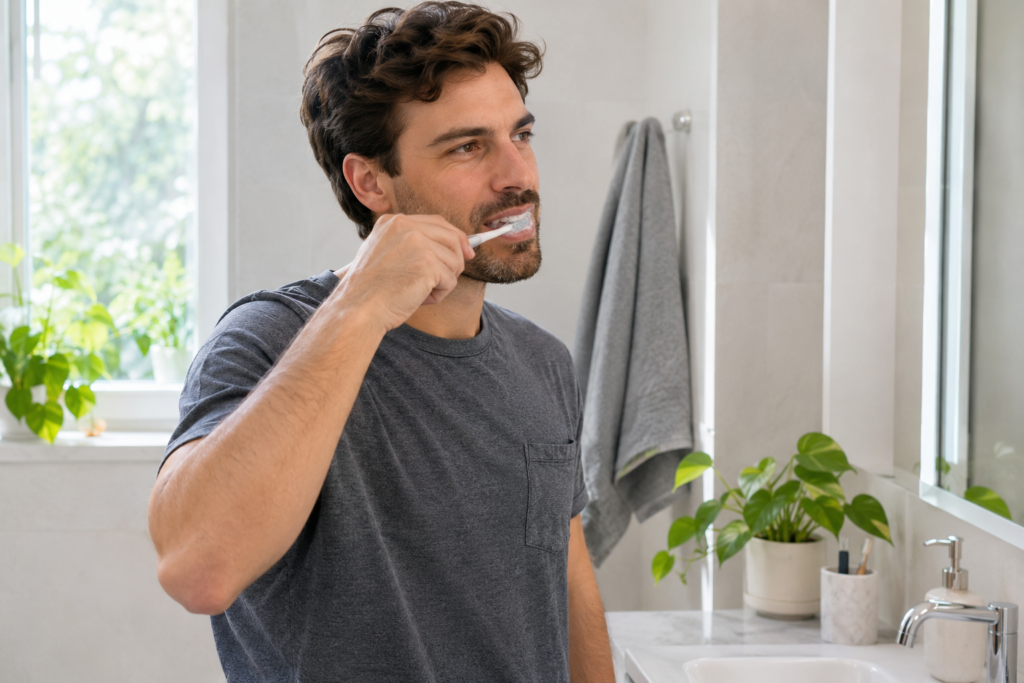
Rinse your mouth gently with lukewarm water. Continue brushing twice daily with fluoride toothpaste, taking care around the affected area.
Avoid digging into the opening or scraping away material that remains attached. Do not use a pin, toothpick or other pointed object to remove trapped food. If gentle cleaning does not remove it, ask the dental team for advice.
Avoid Chewing on the Affected Tooth
Chew on the opposite side and choose foods that require little biting pressure. Avoid biting down repeatedly to check whether the tooth hurts.
The remaining tooth may be vulnerable to further damage, particularly if a piece of tooth broke away with the filling or crown.
Tell the Dental Team What Happened

When you call, explain when the restoration came out and whether it was a filling, temporary crown or permanent crown. Mention any recent injury, root canal treatment, pain when biting or swelling.
If you cannot tell whether you lost a filling or broke part of the tooth, describe what you notice. You do not need to identify the problem before asking for help.
How Quickly Should You See a Dentist?
Contact your dentist promptly after a filling or crown comes out. The dental team can recommend an appointment based on your symptoms rather than a fixed waiting period.
| What you notice | Recommended next step |
|---|---|
| No pain or mild sensitivity without swelling | Contact your dentist for advice and an appointment. |
| Severe, persistent or worsening pain | Request urgent dental assessment. |
| Swelling, fever, pus or a bad taste with tooth pain | Seek urgent dental care because these may indicate infection. |
| Difficulty breathing or swallowing, substantial mouth or neck swelling, or uncontrolled bleeding | Seek emergency medical care immediately. |
If the office is closed, check its recorded message for instructions about after-hours care. Seek another urgent dental provider if your symptoms require attention before your regular dentist is available.
If symptoms change while you are waiting, contact the dental team again. An appointment arranged for mild sensitivity may need to be reconsidered if severe pain or swelling develops.
What Can You Eat While Waiting?

Soft foods can help you eat more comfortably without putting much pressure on the tooth. Options include scrambled eggs, yoghurt, soft pasta and mashed vegetables.
Avoid:
- Hard foods, including ice, hard candy and unpopped popcorn kernels.
- Sticky or chewy foods, such as caramel and toffee.
- Biting firm foods directly with the affected tooth.
- Very hot or cold foods and drinks if they trigger sensitivity.
Choose comfortable food and drink temperatures, and limit frequent sugary snacks. Continue gentle cleaning rather than avoiding the area completely.
Can You Use a Temporary Filling Kit?
A pharmacy temporary filling kit may provide short-term protection for some lost fillings when dental treatment is not immediately available. Ask your dentist whether one is suitable for your situation.
If a kit is recommended, follow the product instructions carefully. Keep your dental appointment even if the tooth feels more comfortable. A temporary patch may cover the opening, but it does not treat underlying decay or repair a cracked tooth.
Do not assume a temporary filling product is suitable for reattaching a crown. Ask your dentist for instructions specific to the missing restoration.
Avoid household glue, superglue and attempts to file or reshape the tooth. If a sharp edge is rubbing your cheek or tongue, ask the dental team what temporary protection they recommend.
How Can You Manage Pain or Sensitivity?
Reduce contact with anything that triggers discomfort, including cold drinks, hot foods and chewing pressure.
If you need pain relief, ask a pharmacist or dentist which non-prescription medicine is suitable for you. Medical conditions, pregnancy, allergies and other medicines can affect the choice. Follow the label and any professional instructions.
Do not place aspirin or other pain-relief tablets directly against the tooth or gums, as this can damage the tissue.
Even if the discomfort settles, the tooth still needs assessment. Seek urgent advice if pain becomes severe or swelling develops.
What Will the Dentist Check?
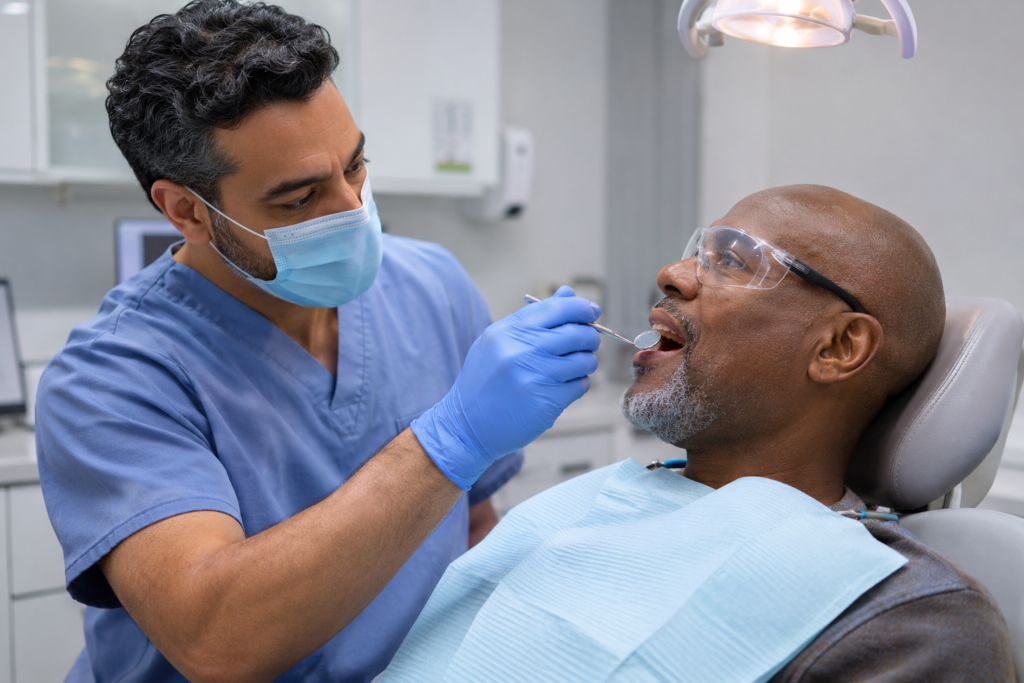
Your dentist will assess the remaining tooth, the surrounding gum and how your teeth meet when you bite. If you have brought the crown or any restoration fragments, they will examine those too. X-rays may be recommended when needed.
The findings help determine whether the tooth can receive a replacement filling, whether an existing crown can be reused or whether another repair is needed. Some teeth require additional treatment before a restoration can be placed.
If a crown is recommended, Revita’s information about dental crowns and bridges explains how these restorations are used.
Frequently Asked Questions
A filling or crown may come loose because of wear, decay around its edges, a fracture or deterioration of the cement holding a crown in place. Grinding or clenching can also place stress on the restoration.
Biting something hard or sticky may dislodge a restoration that was already weakened. The food you were eating when it came out is not necessarily the underlying cause
Sometimes. Your dentist needs to check whether the crown is intact, fits properly and has enough sound tooth underneath to support it. A crown that looks undamaged may still need replacement if the tooth beneath it has changed.
Contact the dentist who placed it rather than waiting for the planned visit. The office can advise whether the temporary crown needs to be replaced sooner. Keep the crown if you have it, and mention when your permanent crown appointment is scheduled.
The cost depends on the condition of the tooth and the repair needed. Recementing an existing crown, replacing a filling and making a new crown involve different work.
Your dentist can explain the recommended treatment and provide an estimate after assessing the tooth. If you have dental benefits, confirm reimbursement separately so you understand your expected out-of-pocket cost.
Get Advice About Your Next Step
Need advice about a lost filling or crown? Contact Revita Dentistry and describe what happened and any symptoms so the dental team can advise you about the next step.