


- Reviewed by
Table of Contents
How Often Should You Get Your Teeth Cleaned Professionally?
How often should you get your teeth cleaned? Around every six months is a common recommendation, but the right interval depends on your gum health, how quickly tartar builds up and how effectively you can clean your teeth at home.
Some patients receiving periodontal maintenance after gum disease treatment may be advised to return approximately every three to four months. This is an individual recommendation, not a standard schedule for everyone with a risk factor.
Your cleaning schedule can also change. An interval that suited you when your gums were healthy may need adjusting if inflammation develops, your medical history changes or cleaning around braces becomes difficult.
If you are unsure when your next cleaning is due, learn more about teeth cleaning in Brampton and discuss an appropriate interval with Revita Dentistry.
Does Everyone Need a Cleaning Every Six Months?
No. Six months is a familiar interval, but it is not a rule for every patient.
Your dental team considers your current oral health, previous dental problems and the findings from your appointments. Someone with stable gums and little buildup may have different needs from someone with ongoing inflammation or a history of periodontal disease.
For selected patients with consistently healthy gums and low buildup, a longer interval may be appropriate after assessment. Others may benefit from more frequent care.
Rather than choosing a schedule yourself, ask: “What findings in my mouth support this recommendation?”
How Does Your Dental Team Decide Your Cleaning Schedule?
Gum Health and Previous Gum Disease

Bleeding, inflammation and changes in the tissues supporting your teeth can affect the care you need.
If you have previously been treated for periodontitis, your follow-up may involve periodontal maintenance. This includes ongoing monitoring and cleaning tailored to your gum condition. Your maintenance interval depends on how stable your gum health is, the depth of any remaining pockets around your teeth and your response to treatment.
Active gum disease may require treatment before an ongoing maintenance schedule is established. Simply arranging more routine cleanings may not address the underlying problem.
Plaque and Tartar Buildup
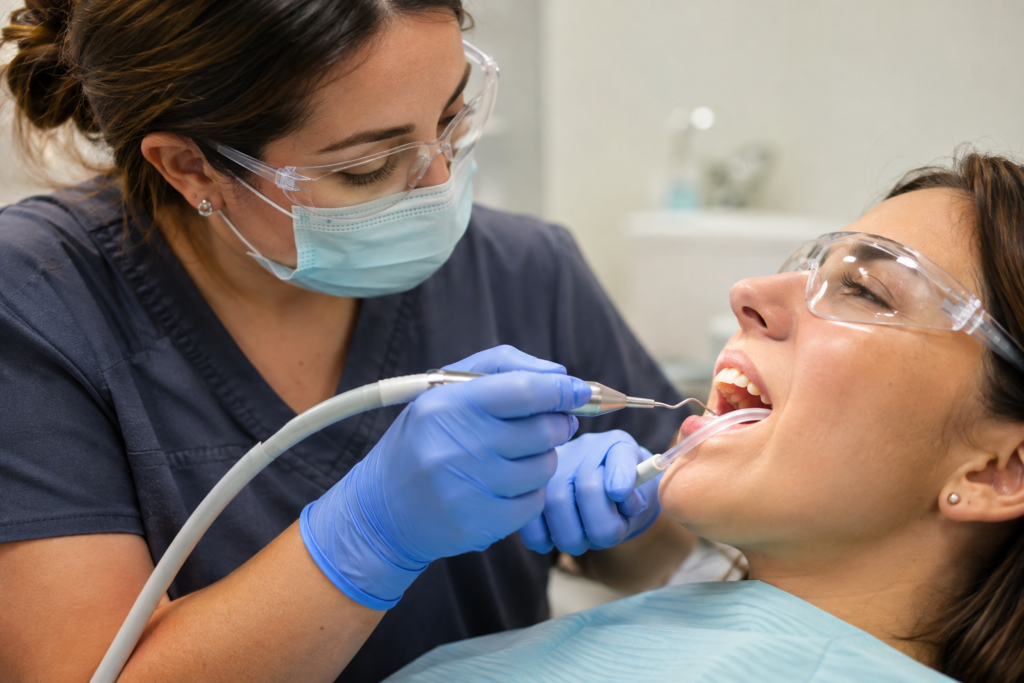
Plaque is a sticky film of bacteria that forms on teeth. When it is not removed, it can harden into tartar, also called calculus. Brushing and cleaning between your teeth help control plaque, but hardened tartar needs professional removal.
Your dental team looks at where deposits collect and how much buildup has returned since your previous visit. These findings help inform the recommended interval.
Visible staining or roughness alone cannot tell you when a professional cleaning is needed.
Home Care and Areas That Are Difficult to Clean

Daily cleaning matters, but some areas are harder to reach than others. Crowded teeth, fixed dental work or difficulty using a toothbrush or floss can make plaque control more challenging.
Your dental team can identify areas that need attention and demonstrate suitable techniques or cleaning aids.
A shorter interval may be considered when deposits or inflammation remain difficult to control. Professional care and home care work together; additional appointments do not replace daily cleaning.
Braces and Orthodontic Appliances
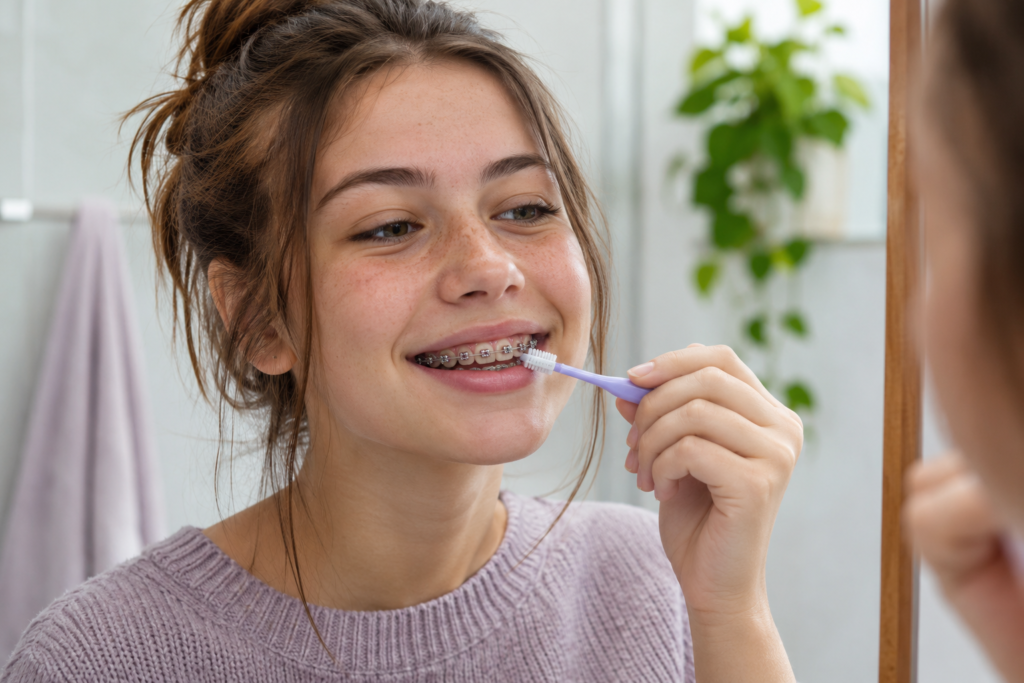
Brackets and wires create additional places for plaque and food to collect. Professional cleanings remain relevant during orthodontic treatment, alongside careful daily cleaning.
Your dental team may recommend closer follow-up if buildup or gum inflammation develops. Braces alone do not determine one cleaning interval for everyone, and orthodontic adjustment appointments do not replace preventive dental visits.
Smoking and Medical History
Smoking increases the risk of gum disease and can affect healing. Diabetes, particularly when blood glucose is not well controlled, can also affect gum health. These factors belong in the discussion about your preventive and periodontal care.
Tell your dental team about changes in your health, medications or symptoms such as persistent dry mouth. These details can influence your overall care plan, although they do not automatically establish a particular cleaning frequency.
Is a Dental Cleaning Schedule the Same as an Examination Schedule?
A cleaning removes deposits from tooth surfaces. A dental examination assesses your oral health and helps identify concerns that may need monitoring or treatment.
Cleanings and examinations may be scheduled together or separately, depending on your care plan. Ask when each is due and what the appointment will include.
A dental examination helps establish a broader care plan. Understanding the purpose of each appointment makes it easier to follow the recommendation and ask questions when something is unclear.
When Should You Contact the Dentist Before Your Next Cleaning?
Contact your dental office rather than waiting for a scheduled cleaning if you develop:
- Gums that repeatedly bleed when brushing or cleaning between teeth.
- Persistent swelling or soreness.
- Ongoing bad breath or a bad taste.
- New tooth pain or sensitivity.
- A loose permanent tooth or a change in how your teeth fit together.
These symptoms need assessment. They do not necessarily mean you only need a cleaning, and some concerns may require a different type of treatment.
Describe what has changed so the dental team can advise you about how soon you should be seen.
Questions to Ask About Your Recommended Cleaning Interval
Before leaving your appointment, consider asking:
- Why are you recommending this interval? Find out whether the main concern is gum health, deposit buildup or another finding.
- Which areas need more attention at home? A demonstration can make advice easier to follow.
- What would support changing the schedule? Ask how your progress will be reassessed.
- What type of appointment am I returning for? Clarify whether it is preventive cleaning, periodontal maintenance or further treatment.
If cost or scheduling makes the recommendation difficult to follow, explain that too. Ask about priorities, proposed appointment fees and any expected insurance reimbursement before arranging care.
Frequently Asked Questions
Appearance and comfort do not tell the whole story. Deposits can collect in areas you cannot easily see, and some dental problems cause few noticeable symptoms. Discuss changing your interval with your dental team rather than deciding from appearance alone.
Not necessarily. Home care matters, but your gum condition, dental history and areas that are difficult to clean also influence the recommendation. Ask your dental team which findings are affecting your schedule and what you can realistically improve at home.
Contact the dental office and explain how long it has been, along with any symptoms or health changes. An assessment can establish what care is appropriate now. Being overdue does not, by itself, mean that you need deep cleaning.
Choosing a Cleaning Schedule That Fits Your Oral Health
A useful cleaning recommendation comes with a clear explanation. You should understand what is being monitored, how home care can help and when the plan will be reviewed.
Still unsure whether your current interval suits you? Learn more about Revita Dentistry and discuss a cleaning schedule based on your oral health, dental history and current needs.