


- Reviewed by
Table of Contents
Dental Sealants for Kids: Benefits, Timing and What to Expect
Dental sealants for kids are thin protective coatings placed in the grooves of back teeth to help prevent cavities. They may be recommended when a child’s molars have deep grooves or are particularly vulnerable to decay. The decision depends on the teeth and the child’s cavity risk, rather than age alone.
For parents, the main questions are usually straightforward: when should we consider them, will the appointment be uncomfortable, and how much protection do they provide?
Why Do Back Teeth Need Extra Protection?
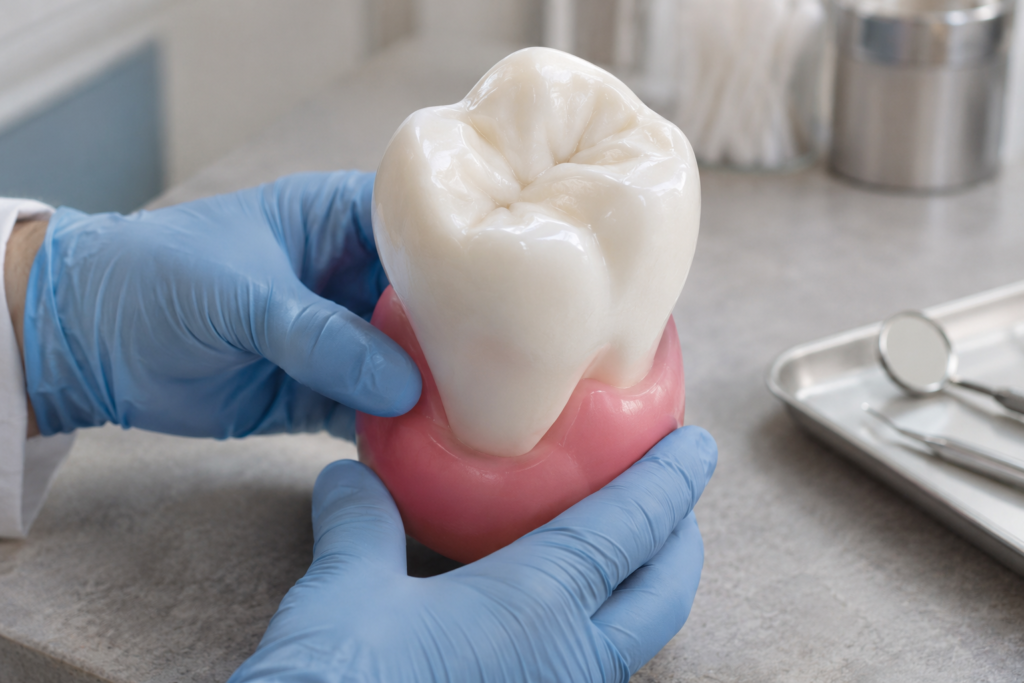
The chewing surfaces of molars have small pits and grooves. Some are narrow enough to trap food and plaque even when a child brushes regularly. Toothbrush bristles may not reach the deepest parts.
A sealant covers these vulnerable grooves, creating a barrier that makes it harder for food and cavity-causing bacteria to collect there. It protects the treated surface, rather than coating the whole tooth.
This additional protection can reduce the chance of decay developing on the chewing surface. Sealants protect the treated grooves, but cavities can still develop on other tooth surfaces, including between teeth.
If your child’s back teeth are coming through, Revita’s page on dental sealants in Brampton explains the service available at the practice.
When Should Children Get Dental Sealants?
Permanent molars are commonly assessed for sealants soon after they erupt. First permanent molars usually appear around age six, while second permanent molars generally arrive around age 12. These are approximate milestones, not treatment deadlines.
Watch for New Molars Behind the Baby Teeth
First permanent molars grow behind the existing baby teeth. A child does not need to lose a tooth before these molars appear, so parents may not immediately notice them.
Rather than waiting for discomfort, ask the dentist to check whether newly erupted molars would benefit from protection. Sealants are intended to help prevent a problem before symptoms develop.
Let Tooth Development Guide the Timing
The dentist checks how much of the tooth has come through and whether it can be kept dry enough for the sealant material to attach properly. A tooth that is still partly covered by gum may need a different approach or reassessment as it erupts.
Baby molars may also benefit in selected cases. The recommendation should follow an assessment of the tooth and the child’s risk of decay.
Which Children Are Most Likely to Benefit?
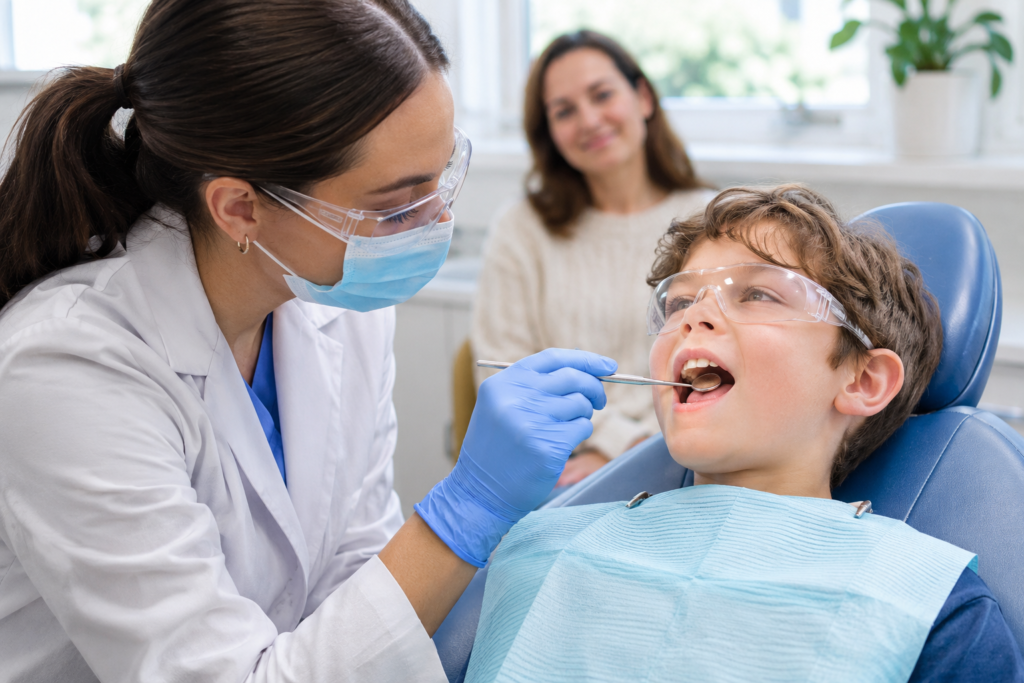
Sealants are particularly worth discussing when a child has deep molar grooves, previous cavities or other factors that increase their likelihood of developing decay.
The dentist considers the whole picture, including:
- The shape and condition of the chewing surfaces.
- Previous or current tooth decay.
- Brushing effectiveness and access to fluoride.
- How frequently the child has sugary foods or drinks.
A child who brushes carefully can still have vulnerable grooves. Not every tooth needs a sealant. Your dentist recommends them based on the tooth’s condition and your child’s risk of decay.
A useful question to ask is: “Which teeth would you seal, and what makes those teeth more likely to develop cavities?”
What Happens During the Sealant Appointment?
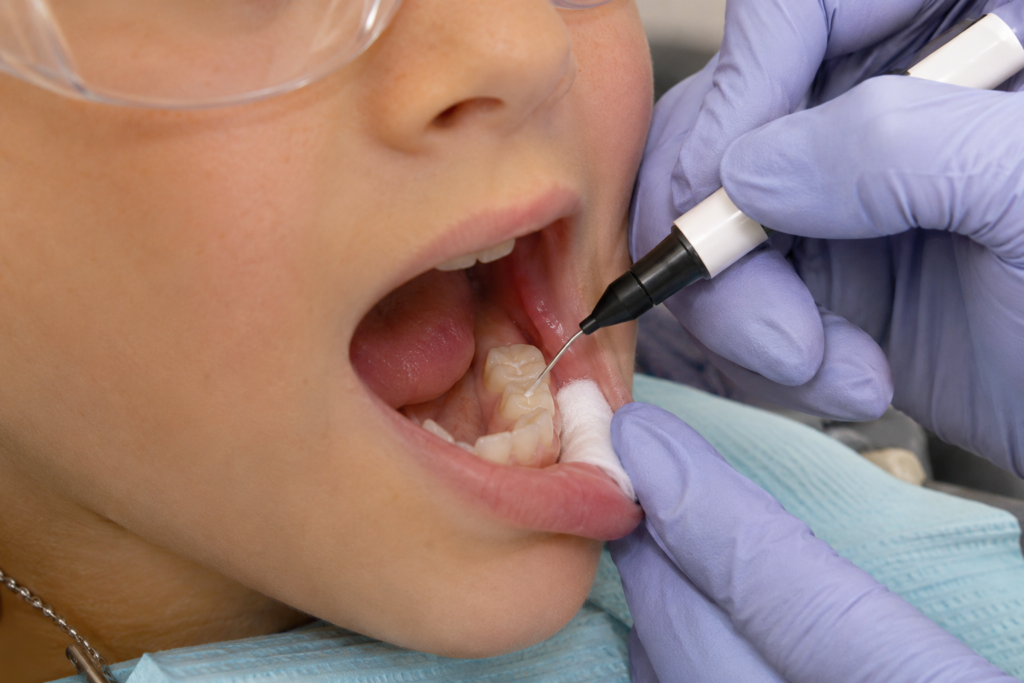
The dentist first examines the teeth to determine whether sealants are appropriate. For a typical resin-based sealant, placement involves several short steps:
- Clean the chewing surface. Plaque and food debris are removed.
- Keep the tooth dry. Cotton rolls or other isolation aids help control saliva.
- Prepare the enamel. A conditioning gel prepares the surface for bonding, then is rinsed away.
- Apply the sealant. The liquid material flows into the grooves.
- Harden and check it. A curing light commonly sets the material, and the dental professional checks the result.
The precise method varies with the sealant material.
Will My Child Need Drilling or an Injection?
Routine preventive sealant placement generally does not require drilling or a local anaesthetic injection. It is usually comfortable, although keeping the mouth open and tolerating the drying equipment can take some patience.
Before the visit, explain that the dental professional will clean the tooth and paint a protective coating onto it. Tell the team about sensory sensitivities, previous difficult appointments or anything that helps your child feel settled.
Revita’s pediatric dentistry page provides more information about children’s dental care at the practice.
If your child is nervous, ask the dental team to explain each step in simple language before starting. You can also agree on a hand signal your child can use if they need a pause. This gives them a clear way to communicate while their mouth is open and may help them feel more comfortable during the appointment.
How Long Do Sealants Last, and What Care Do They Need?
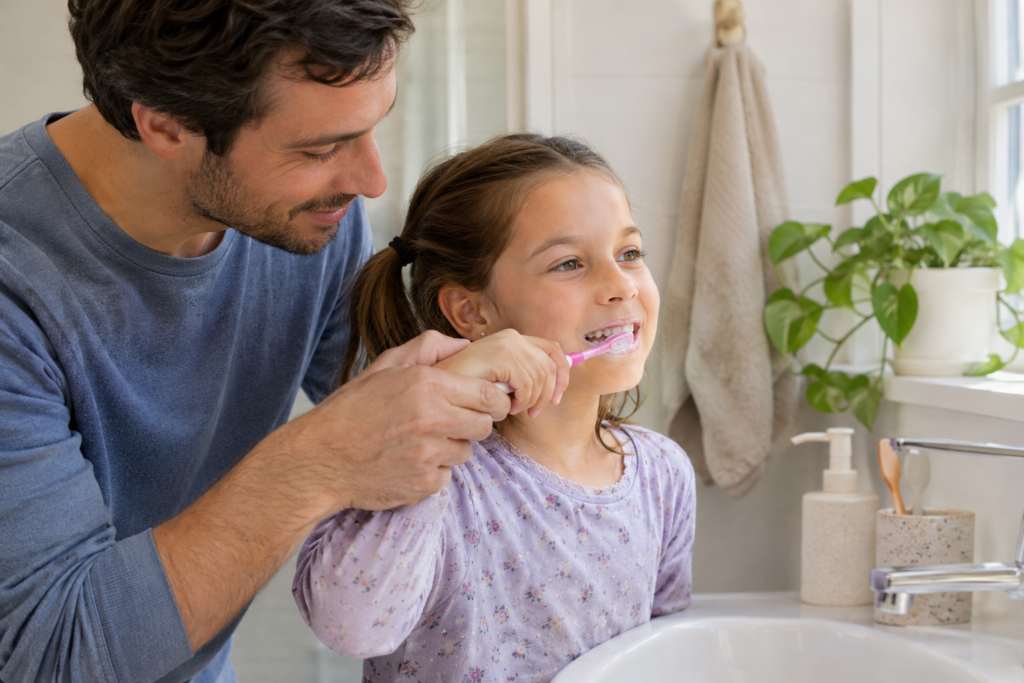
Sealants can remain in place for several years, but there is no guaranteed replacement schedule. They can wear, chip or become partly detached. During dental examinations, your dentist checks whether the sealants still cover the grooves properly and recommends repair or replacement where needed.
At home, continue brushing twice daily with an age-appropriate amount of fluoride toothpaste and cleaning between teeth as advised. Limit frequent sugary snacks and drinks, and follow the dentist’s recommended examination schedule. Sealants work alongside these habits.
You do not need to judge the coating’s condition yourself. If your child notices a change in how their teeth meet, or develops pain or sensitivity, contact the dental office for an assessment.
Frequently Asked Questions
They may. Fluoride helps strengthen enamel and can help repair the earliest stages of tooth decay, before a cavity forms. Sealants create a physical barrier in selected grooves. The treatments serve different purposes. Your dentist can recommend fluoride care based on your child’s cavity risk and existing fluoride exposure.
Sometimes. A dentist may recommend sealing an early area of decay where the surface has not developed a hole. This can help stop progression when appropriately selected and monitored. A tooth with a cavity or more extensive damage may need a filling or another treatment. Examination comes first.
Some dental materials can contribute to very low, short-term BPA exposure after placement. Current evidence does not identify a health concern from BPA exposure associated with dental sealants. If you have concerns or your child has a known material allergy, discuss the proposed product with the dentist before treatment.
Yes. Share any treatment record you receive, including the date and teeth treated. This helps the dental team coordinate care and check the existing sealants during future examinations. Having sealants applied through a school program does not replace your child’s ongoing dental care.
A Helpful Question for Your Child’s Next Visit
Ask your dentist whether your child has any newly erupted or cavity-prone molars that would benefit from sealants. The answer should explain which teeth need protection, why treatment is recommended and how those teeth will be monitored.
If you are unsure whether sealants would help your child, Revita Dentistry in Brampton can assess their teeth and discuss suitable preventive care.