
Pinhole® Gum Rejuvenation in Brampton
Receding gums, exposed tooth roots, or sensitivity around your gumline? Pinhole® Gum Rejuvenation may be an option for certain types of gum recession. At Revita Dentistry in Brampton, we evaluate your gum health and recession pattern before recommending treatment, helping you understand your options and choose an approach that fits your needs.
Concerned about receding gums? Book a consultation with Revita Dentistry to find out whether Pinhole® Gum Rejuvenation is right for you.
What Is Pinhole® Gum Rejuvenation?
Pinhole® Gum Rejuvenation is a minimally invasive technique designed to address certain areas of gum recession. Rather than using a traditional gum graft, the approach uses a small access point to reposition existing gum tissue toward the desired gumline.
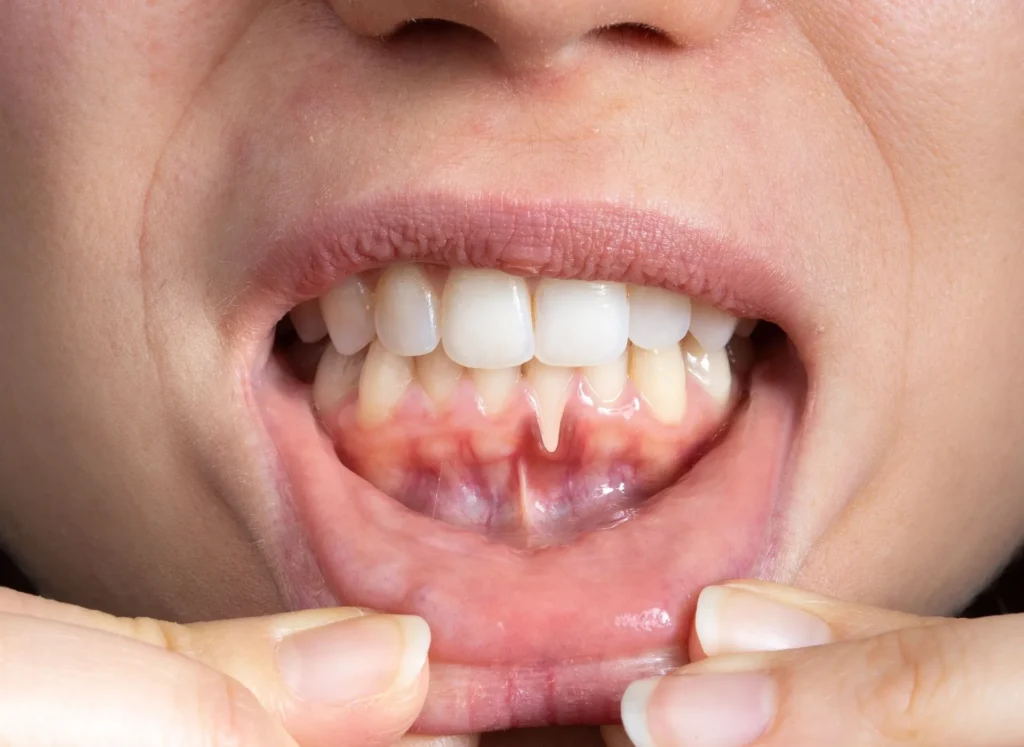
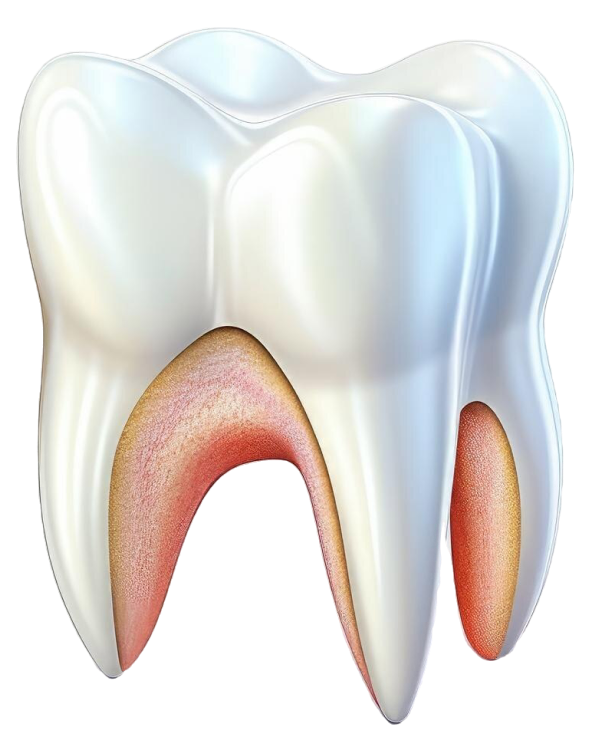
Gum recession occurs when the gum tissue surrounding a tooth moves away from the tooth surface. This can expose more of the tooth, including the root, which is normally protected by gum tissue. Depending on the cause and severity, recession may contribute to tooth sensitivity, an uneven gumline, or concerns about exposed root surfaces.
The Pinhole® approach is different from conventional gum grafting because it is designed to reposition existing gum tissue rather than taking tissue from another area of the mouth.
However, Pinhole® Gum Rejuvenation is not appropriate for every patient or every type of gum recession. The right treatment depends on factors such as the location and extent of recession, gum tissue characteristics, periodontal health, tooth position, and the reason the recession developed.
A consultation is therefore the best starting point. At Revita Dentistry, your dentist can examine the affected area, discuss your concerns, and explain whether Pinhole® Gum Rejuvenation or another approach may be appropriate.

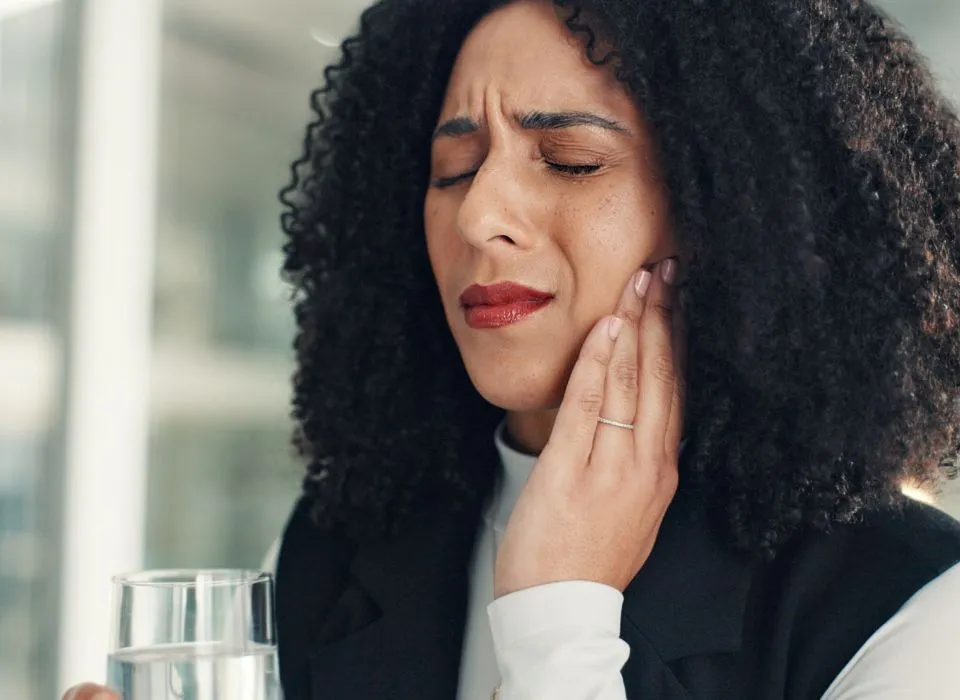
What Does Gum Recession Look Like?
Possible signs include:
- Teeth that appear longer than before
- Visible or exposed tooth roots
- An uneven gumlineA large filling
- Sensitivity around the gumline
- A notch or indentation near the base of a tooth
- Thinner-looking gum tissue in certain areas
- Changes you notice while brushing or flossing
These symptoms do not automatically mean that you need a gum-recession procedure. Different dental conditions can produce similar symptoms, so an examination is important before choosing treatment.
Why Should Receding Gums Be Evaluated?
Receding gums may not cause pain, but that does not necessarily mean they should be ignored.
When the gumline moves away from a tooth, the exposed root can become more sensitive and may require additional protection. Gum recession may also occur alongside periodontal problems or result from factors such as brushing trauma, tooth position, or naturally thin gum tissue.
A dental evaluation can help determine whether the best approach is preventive care, treatment of an underlying gum condition, monitoring, or a procedure designed to address the recession
What Is Gum Recession?
Gum recession happens when the gum tissue around a tooth pulls back or moves away from the tooth. As the gumline changes, more of the tooth may become visible and part of the root may become exposed.
Some people notice recession because their teeth appear longer. Others notice sensitivity when drinking something cold or hot, eating sweet foods, or consuming acidic drinks.
Gum recession can occur around one tooth or multiple teeth. It may develop gradually, which means you might not notice the change until it becomes more visible or a dentist identifies it during a routine examination.
- CONTACT US
Don’t let tooth pain take over your life.
Whether it’s a scheduled visit or a dental emergency, our Brampton root canal specialists are here to help you smile again — pain-free.
- Address: 10 Beaumaris Dr unit 12, Brampton, ON L6T 0H1, Canada
- +1 (905) 458-9989
- revitadentistry@gmail.com
We offer evening hours, Saturday appointments, and walk-in availability for urgent cases. If your tooth is causing pain, don’t wait for it to get worse — we’re here and ready to help.
What Causes Receding Gums?
Gum recession does not have one universal cause. Several factors can contribute, and more than one may be involved in the same patient.
Aggressive brushing
Brushing with excessive force or using an inappropriate technique may irritate the gumline. A gentle brushing technique can help protect gum tissue.
Trauma or irritation
Repeated irritation or trauma to the gumline can contribute to tissue changes in certain circumstances.
Naturally thin gum tissue
Some people naturally have thinner gum tissue around certain teeth. This can make particular areas more susceptible to recession.
Tooth position
The position of a tooth within the supporting tissues can influence the amount and appearance of gum tissue around it.
Gum disease
Periodontal inflammation can affect the tissues supporting the teeth and may contribute to gum recession. If gum disease is present, addressing the underlying condition is an important part of treatment.
Plaque and tartar buildup
Plaque accumulation can contribute to gum inflammation. When plaque hardens into tartar, also called calculus, professional dental care is generally required to remove it.
Orthodontic tooth movement
Moving teeth orthodontically can affect the surrounding gum and supporting tissues depending on the patient’s anatomy and treatment.
Because causes vary, simply treating the visible gumline may not address the factors that contributed to recession. Understanding the underlying cause is an important part of developing an appropriate treatment plan.
If plaque or tartar is contributing to gum inflammation, professional dental cleaning may be recommended as part of your overall oral-health care.
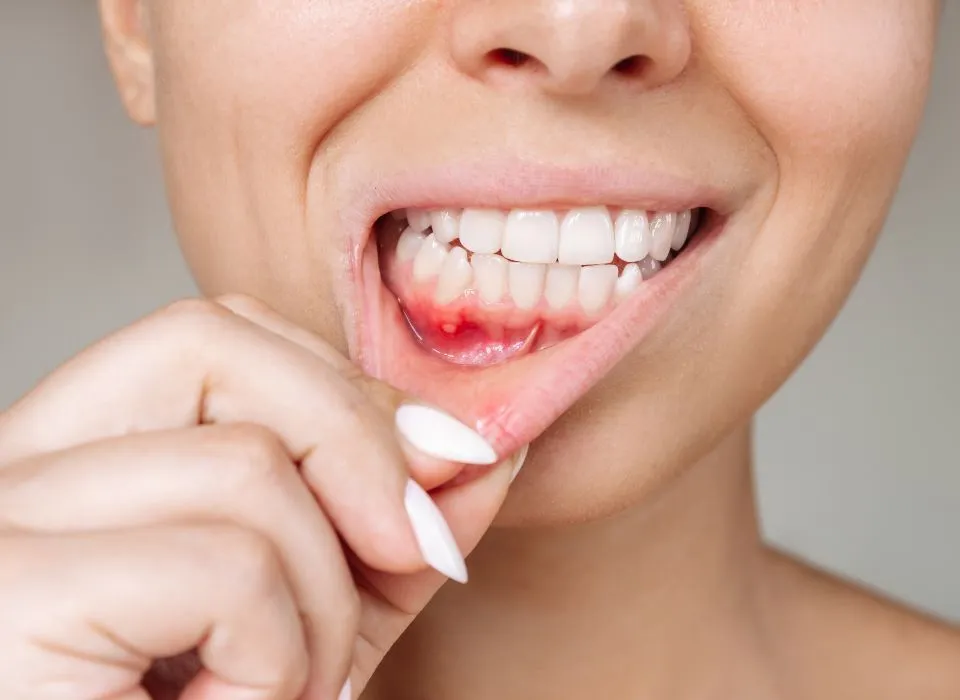
Signs You May Have Gum Recession
Consider arranging a dental examination if you notice:
- Teeth that appear longer than they once did.
- Increased sensitivity to hot, cold, sweet, or acidic foods and drinks.
- Visible exposed tooth roots near the gumline.
- Red, swollen, or tender gums.
- Bleeding while brushing or flossing.
- Gum tissue pulling away from one or more teeth.
- Small spaces or pockets forming between the teeth and gums.
- Persistent bad breath related to gum disease.
- Loose teeth or changes in your bite.
- Concerns about the appearance of your smile due to uneven gum lines.
The earlier a change is evaluated, the sooner contributing factors can be identified and appropriate options discussed.
Importantly, not every case of gum recession requires a procedure. Depending on the cause and severity, your dentist may recommend improving home care, professional cleaning, periodontal treatment, monitoring, or a procedure to address the recession.
- HOW WE DO IT ?
How Does Pinhole® Gum Rejuvenation Work?
Pinhole® Gum Rejuvenation is designed to reposition existing gum tissue in areas affected by recession through a small access point.
Your treatment will depend on your gum anatomy and oral-health needs, but the process generally involves several stages.

Clinical Examination
Your dentist assesses the extent of gum recession, root exposure, tissue health, and your treatment goals.

Treatment Planning
We review whether Pinhole® Gum Rejuvenation suits your case, outline target areas, and answer questions about alternatives and outcomes.

Site Preparation & Numbing
Local anesthesia and comfort measures are administered to keep you relaxed and pain-free throughout the procedure.

Aftercare & Recovery
You receive personalized guidelines on diet, gentle hygiene, and healing habits, followed by scheduled checkups to monitor tissue integration.

Tissue Repositioning
Specialized instruments gently loosen and slide your natural gum tissue back down to cover exposed tooth roots.

A tiny pinhole entry point is created in the gum tissue above the receded area, eliminating the need for traditional incisions or stitches.
What Are the Potential Benefits of Pinhole® Gum Rejuvenation?
For appropriately selected patients, Pinhole® Gum Rejuvenation may offer several potential benefits.
- A minimally invasive approach The technique is designed around a small access point and repositioning existing gum tissue.
- Uses existing gum tissue The Pinhole® approach is designed to reposition existing tissue rather than harvesting graft tissue from another area of the mouth.
- May address certain recession areas When clinically appropriate, repositioning gum tissue may help cover areas where recession has exposed more of the tooth or root.
- May improve gumline appearance Gum recession can create an uneven gumline or make certain teeth look longer. Addressing suitable recession areas may improve the appearance of the gumline.
- May help with sensitivity When sensitivity is associated with an exposed root surface, covering or protecting the affected area may help reduce that concern.
The benefits and expected results depend on individual factors. A consultation is necessary to determine whether the technique is suitable and what outcome can reasonably be expected.
Pinhole® Gum Rejuvenation vs. Traditional Gum Grafting
Traditional gum grafting is another established treatment approach for certain types of gum recession.
With conventional gum grafting, tissue may be taken from another area of the mouth, such as the palate, and placed over an exposed root. The American Academy of Periodontology recognizes gum grafting and other root-coverage procedures as treatment options for exposed roots associated with gum recession.
Pinhole® Gum Rejuvenation takes a different approach by repositioning existing gum tissue through a small access point.
| Consideration | Pinhole® Gum Rejuvenation | Traditional Gum Grafting |
|---|---|---|
| Basic approach | Repositions existing gum tissue | Uses graft tissue to cover an exposed root |
| Tissue source | Existing tissue in the treatment area | May involve tissue from another area |
| Access | Small access point | Surgical access may be required |
| Suitability | Depends on the individual case | Depends on the individual case |
| Treatment planning | Based on recession and gum anatomy | Based on recession and gum anatomy |
| Recovery | Individualized | Individualized |
Am I a Candidate for Pinhole® Gum Rejuvenation?
Some patients with gum recession may be candidates for Pinhole® Gum Rejuvenation, but candidacy must be determined through an appropriate clinical assessment.
You may benefit from an evaluation if you have:
- Localized gum recession
- Multiple areas of recession
- Exposed tooth roots
- Sensitivity associated with exposed roots
- An uneven gumline
- Cosmetic concerns related to recession
- Concerns that your gumline is changing
Your dentist will also consider the health of the gums and supporting tissues.
If active periodontal disease, significant inflammation, poor oral hygiene, untreated dental problems, or other concerns are present, these issues may need to be addressed as part of your overall treatment plan.
The first step is understanding why your gums are receding and how extensive the recession is.
Only then can your dental team determine whether Pinhole® Gum Rejuvenation, traditional gum grafting, another treatment, or monitoring is appropriate.
What to Expect at Your Revita Dentistry Consultation
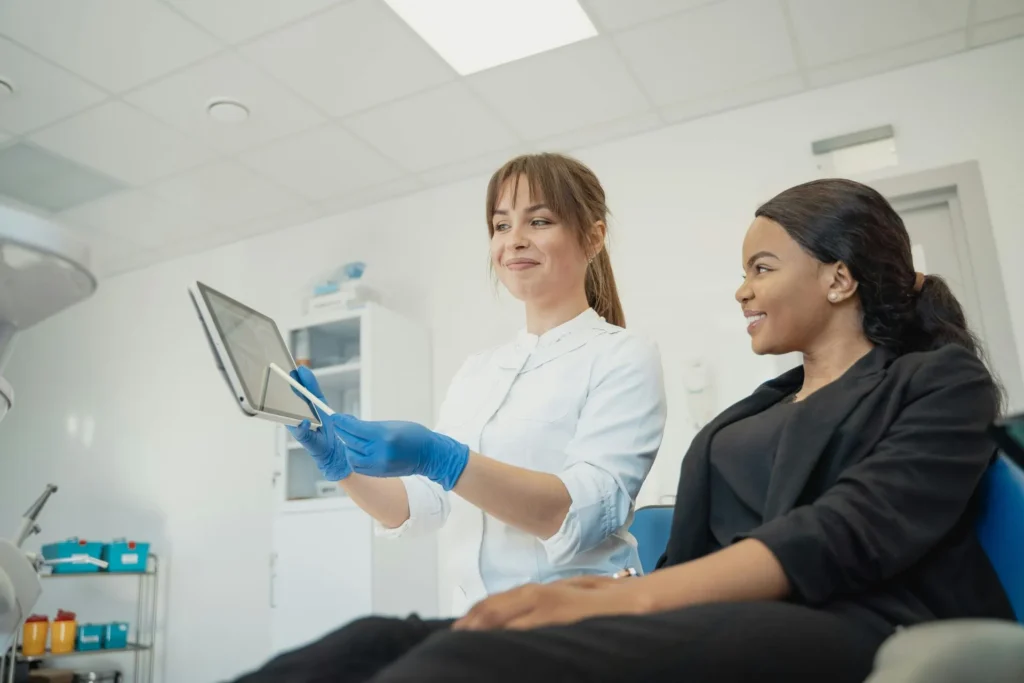
A consultation allows you to discuss your concerns and understand your treatment options before deciding whether to proceed.
Revita Dentistry describes its approach as personalized and patient-focused, with an emphasis on understanding individual needs and explaining treatment options clearly.
During your appointment, your dental team may:
- Discuss your symptoms and concerns
- Review relevant dental history
- Examine your teeth and gums
- Assess areas of recession
- Look for possible contributing factors
- Discuss appropriate treatment options
- Explain aftercare and maintenance
- Answer your questions
Revita Dentistry also uses digital technology to support dental examination and treatment planning. The clinic lists the iTero 5D+ scanner, panoramic imaging, and MouthWatch intraoral camera among its technology.
An intraoral camera can also help patients see areas of concern and better understand what their dental team is explaining.
The purpose of your consultation is not simply to recommend a procedure. It is to help you understand your oral health and make an informed decision about treatment.
Why Choose Revita Dentistry
Choosing the right dental provider for gum recession requires evaluating professional credentials, diagnostic technology, clear communication, and tailored treatment planning. At Revita Dentistry, care is led by Dr. Afshan Ahmed, DDS—certified by the National Dental Examination Board of Canada and an active member of the RCDSO, CDA, ODA, and Halton-Peel Dental Association. Because recession severity, tissue health, and root exposure vary widely between patients, the clinic prioritizes highly personalized care supported by modern diagnostic tools such as iTero 5D+ scanners, panoramic X-rays, and MouthWatch intraoral imaging for precise planning. Conveniently located at 10 Beaumaris Drive, Unit 12 in Brampton, Ontario (L6T 0H1), Revita Dentistry serves the local community with flexible weekday and Saturday hours. If you are seeking gum recession treatment in Brampton, a comprehensive consultation will clarify your oral health status and help you navigate suitable therapy options. Learn more about Revita Dentistry and the dental team.
What Our Patients Say
Patients often tell us that they value our friendly team, clean and modern clinic, clear explanations and gentle approach to treatment. We are grateful to every patient who takes the time to share their experience and help other Brampton families feel more confident choosing a dentist.
Amazing Dental Care Experience! I had a fantastic experience at Revita Dental Clinic! The entire team is incredibly professional, friendly, and truly cares about their patients. From the moment I walked in, I felt welcomed and at ease. The clinic is clean, modern, and well-equipped, and the dentists take the time to explain every step of the process.
⭐️⭐️⭐️⭐️⭐️
Yunika R.
Very clean and hygienic clinic. Dr Afshan is a great dentist, very patient doctor with good knowledge and skills. Did my fillings with ease and in no time. Recommended mouth guard and took impression in the same appointment. Definitely recommend to anyone in need of dentist.
⭐️⭐️⭐️⭐️⭐️
M.M.
Today I visited for teeth cleaning and basic examination. I felt extremely happy and satisfied after visiting and having treatment here. Dr. Afshan and her Staff members are very nice and cooperative.
⭐️⭐️⭐️⭐️⭐️
Ashwin P.
Revita Dentistry Proudly Serving Brampton & Nearby Communities Since 2023
Revita Dentistry provides trusted family, cosmetic, restorative, and emergency dental care for patients across Brampton and surrounding neighbourhoods, making quality dental care convenient and accessible.
Bramalea
Peel Village
Springdale
Downtown Brampton
Heart Lake
Castlemore
Steeles Industrial
Madoc
How Can You Protect Your Gums After Treatment?
Treating gum recession is only one part of maintaining healthy gums over time.
- Brush gently Avoid aggressive brushing around the gumline. Your dental team can demonstrate a suitable brushing technique and recommend an appropriate toothbrush.
- Keep plaque under control Regular brushing and cleaning between your teeth can help control plaque around the gumline.
- Maintain regular dental visits Routine examinations allow your dental team to monitor your gums and identify changes early.
- Schedule professional cleanings Professional cleaning can remove hardened deposits that cannot be effectively removed with ordinary brushing.
- Address gum problems early If gum inflammation or periodontal disease contributes to recession, addressing the underlying problem is an important part of long-term oral care.
Your dentist can also help identify habits or brushing techniques that may be contributing to irritation around the gumline.
Insurance & Payment Options
We believe quality periodontal care should be accessible and affordable. At Revita Dentistry, we accept most major dental insurance plans and provide direct billing for eligible providers whenever possible, making the payment process simple and convenient.
If you’re covered under the Canadian Dental Care Plan (CDCP) or another dental benefits program, our team can help you understand your coverage and explain how it may apply to your gum recession treatment in Brampton. Before beginning treatment, we’ll provide a detailed estimate and discuss all available options so you know exactly what to expect.
For patients without insurance, we offer transparent pricing and flexible payment solutions to help make investing in your oral health more manageable. Our goal is to ensure financial concerns don’t stand in the way of restoring healthy gums and protecting your smile.
Pinhole® Gum Rejuvenation is a minimally invasive technique designed to address certain types of gum recession. It uses a small access point to reposition existing gum tissue toward the desired gumline. Suitability depends on your individual gum condition and oral health.
Local anesthesia and appropriate comfort measures may be used during treatment. Individual experiences vary, so your dentist can explain what to expect based on your treatment plan.
Treatment time varies depending on the number and location of affected areas and the complexity of the case. Your dentist can provide a more specific estimate after examining your gums.
Recovery varies between patients. Your dental team will provide personalized aftercare instructions and explain what to expect during healing.
No. The technique is not appropriate for every case of gum recession. Your dentist will consider the recession, gum tissue, periodontal health, tooth position, and other factors before recommending treatment.
It may be appropriate for certain cases of gum recession. Treatment selection depends on the cause, severity, location, and characteristics of the recession.
Neither approach is universally better. Pinhole® Gum Rejuvenation and traditional gum grafting use different techniques, and the appropriate option depends on the individual clinical situation.
Gum tissue that has receded generally does not simply grow back on its own. However, treatment depends on the reason for the recession and how extensive it is. A dental examination can help determine the appropriate next step.
Common signs include teeth that appear longer, visible root surfaces, an uneven gumline, and sensitivity near the gumline. A dental examination is needed to determine whether you have gum recession and what may be causing it.
Coverage varies by plan. Revita Dentistry accepts CDCP and most major dental insurance plans, but patients should confirm whether their specific treatment is covered and whether preauthorization or additional expenses apply.
- FREQUENTLY ASKED QUESTIONS
FAQs About Pinhole Gum Rejuvenation
- VISIT OUR CLINIC IN BRAMPTON
Book a Pinhole® Gum Rejuvenation Consultation in Brampton
Concerned about receding gums, exposed roots, or sensitivity?
You do not have to determine the right treatment on your own. An examination can help identify the cause and extent of your gum recession and determine whether Pinhole® Gum Rejuvenation or another approach may be appropriate.
At Revita Dentistry, your treatment plan is developed around your individual oral-health needs, concerns, and goals.
Book a consultation at Revita Dentistry in Brampton to discuss your gum recession and treatment options.