
Dental Implant Surgery in Brampton
Dental implant surgery places a dental implant into the jawbone to replace the root of a missing tooth and create a stable foundation for a replacement tooth. At Revita Dentistry, treatment begins with an examination, digital imaging, and a personalized surgical plan based on your oral health and tooth replacement needs.
Considering dental implants in Brampton? Book a consultation to find out whether implant surgery is right for you.
What Is Dental Implant Surgery?
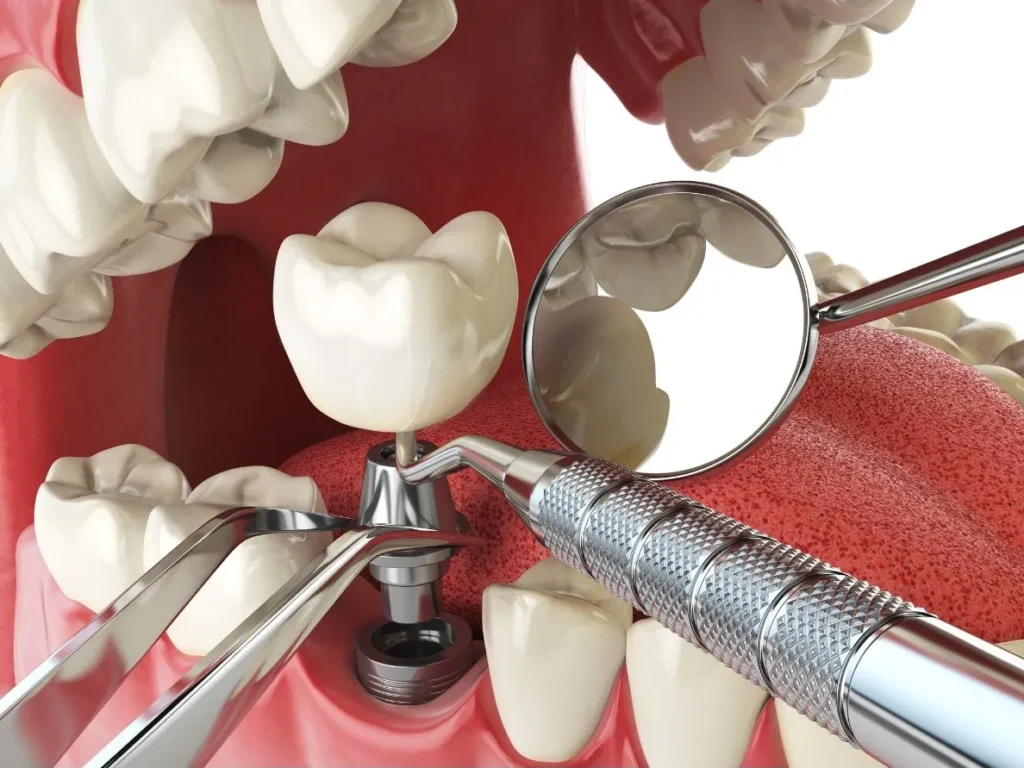
Dental implant surgery is a procedure used to replace the root portion of a missing tooth. During surgery, a small implant post is placed into the jawbone. Once the implant heals and becomes stable, it can support an abutment and a custom dental restoration such as a crown, bridge, or full-arch prosthesis.
The implant itself is not the visible tooth. It provides a stable foundation beneath the gum for the replacement tooth.
Dental implant surgery may be recommended for:
- A single missing tooth
- Several missing teeth
- Teeth that need to be removed and replaced
- Patients seeking a fixed alternative to removable dentures
- Full-arch tooth replacement in appropriate cases
The surgical approach depends on the number and location of missing teeth, the condition of your gums and jawbone, and the type of restoration planned.
If you are comparing your tooth-replacement options, learn more about dental implants in Brampton to understand the different implant treatments and restoration options available.


Who May Be a Candidate for Dental Implant Surgery?
Dental implants can be an effective tooth-replacement option, but not everyone is automatically ready for implant surgery.
Your dentist will evaluate factors such as:
- The number and location of missing teeth
- Jawbone volume and density
- Gum health
- Existing infection or inflammation
- Oral hygiene
- Medical and dental history
- Smoking or tobacco use
- Your ability to maintain the implant after treatment
Healthy gums and adequate bone support are important because the implant needs a stable environment during healing.
If gum disease, infection, or insufficient bone is present, those concerns may need to be addressed before implant placement. In some cases, additional procedures may also be considered.
The important point is that candidacy is determined through an examination and appropriate imaging rather than by symptoms alone.
- HOW WE DO IT ?
How Does Dental Implant Surgery Work?

Consultation & Exam
We evaluate your oral health, discuss replacement options and comfort preferences, and review your medical history to ensure implant suitability.

3D Imaging & Planning
Digital scans and 3D imaging assess bone density and nerve structures to map the exact placement and restoration plan for your implant.

Site Preparation
If necessary, extractions, infection control, or bone grafting are completed to establish a healthy, supportive foundation before surgery.

Abutment & Final Restoration
Once healed, an abutment is attached and fitted with your custom crown, bridge, or prosthesis to restore natural function and appearance.

Healing & Osseointegration
Over roughly 3 to 6 months, the implant naturally fuses with your jawbone to create a permanent, durable foundation.

The implant post is surgically set into the jawbone using local anesthesia, with dental sedation available to ensure complete comfort.
What Happens on the Day of Dental Implant Surgery?
Knowing what to expect can make the experience easier.
Before surgery
Your dental team will review the planned procedure and provide instructions for the appointment. Your medical history and medications should be discussed beforehand so the treatment plan can account for relevant considerations.
If sedation is planned, you will also receive instructions specific to the type of sedation being used.
During surgery
The surgical area is anesthetized before implant placement. Your dentist then follows the predetermined surgical plan to position the implant.
You may experience pressure or movement during the procedure, but local anesthesia is intended to prevent pain from the surgical area.
After surgery
You will receive instructions for caring for the surgical site during the early healing period.
These instructions may include guidance about:
- Food and drinks
- Oral hygiene
- Physical activity
- Medications
- Swelling management
- Follow-up appointments
Following your post-operative instructions carefully can help support uncomplicated healing.
- CONTACT US
Don’t let tooth pain take over your life.
Whether it’s a scheduled visit or a dental emergency, our Brampton root canal specialists are here to help you smile again — pain-free.
- Address: 10 Beaumaris Dr unit 12, Brampton, ON L6T 0H1, Canada
- +1 (905) 458-9989
- revitadentistry@gmail.com
We offer evening hours, Saturday appointments, and walk-in availability for urgent cases. If your tooth is causing pain, don’t wait for it to get worse — we’re here and ready to help.
What Can Make Dental Implant Surgery More Complex?
Implant surgery is not identical for every patient. Several factors can influence the surgical approach.
These include:
- Bone condition: Reduced bone volume may limit where an implant can safely be positioned.
- Gum health: Active gum disease may need to be treated before implant placement.
- Location of the tooth: Implant surgery in different areas of the mouth can involve different anatomical considerations.
- Number of implants: Replacing one tooth is generally a different surgical situation from replacing several teeth or an entire arch.
- Existing dental conditions: Infection, damaged teeth, or previous dental procedures can affect treatment planning.
- General health and healing factors: Certain health conditions, medications, and lifestyle factors may influence healing and should be discussed during your consultation.
Your dentist can explain how these factors apply to your specific situation.
Do You Need Bone Grafting Before Dental Implant Surgery?
Not every patient needs a bone graft.
When a tooth has been missing for some time, the surrounding jawbone can lose volume. Depending on the amount and location of bone available, additional treatment may be necessary before an implant can be placed safely.
Bone grafting is intended to improve the foundation available for implant placement when clinically appropriate.
Your dentist can determine whether grafting is necessary by examining the treatment area and reviewing appropriate imaging.
If you are concerned about bone loss, ask during your consultation whether your existing bone is sufficient for the planned implant or whether additional treatment should be considered.

Does Dental Implant Surgery Hurt?
Dental implant surgery is performed with local anesthesia, so the surgical area is numbed during the procedure.
You may notice pressure, vibration, or movement, but you should not rely on pain as an indicator of whether the procedure is progressing normally.
After surgery, some tenderness, swelling, or discomfort can occur as the tissues heal. The amount varies from patient to patient and can depend on the complexity of the procedure.
For patients who are nervous about dental treatment, dental sedation may be an option when clinically appropriate.
The goal is to make the procedure as comfortable and manageable as possible while maintaining appropriate clinical care.


How Long Does Dental Implant Surgery Take?
There is no single surgery time that applies to every patient.
The length of an implant procedure can depend on:
- Number of implants being placed
- Location of the implant
- Complexity of the surgical site
- Whether an extraction is required
- Whether additional procedures are necessary
- Your individual treatment plan
It is also important to distinguish surgical time from total treatment time.
The implant may be placed during one appointment, while the complete treatment can take several months because the implant needs time to heal before the final restoration is attached.

Dental Implant Surgery Recovery: What to Expect
Recovery is an important part of implant treatment.
The first few days
Mild swelling, tenderness, or sensitivity can occur following surgery. Your dentist will provide specific instructions based on the procedure you received.
You may be advised to:
- Eat softer foods temporarily
- Avoid putting unnecessary pressure on the surgical area
- Follow medication instructions
- Maintain appropriate oral hygiene
- Avoid smoking or tobacco
- Limit strenuous physical activity initially
The following weeks and months
The gum tissue may settle relatively quickly, but the implant continues healing beneath the gum for much longer.
This means that feeling better does not necessarily mean the implant has completed its healing process.
Continue following your dentist’s instructions and attend recommended follow-up appointments so healing can be assessed.
When should you contact your dentist?
Contact your dental office if you experience symptoms that concern you or if your recovery does not appear to be progressing as expected.
Your dental team can determine whether the symptoms are part of normal healing or require further assessment.
What Should You Avoid After Implant Surgery?
To protect the healing site, avoid smoking, using tobacco products, and applying direct pressure or touching the area unnecessarily. Stick to soft foods and avoid hard, crunchy items around the surgical site, while pausing strenuous physical activities during the initial recovery window. Never ignore worsening symptoms, and do not adjust prescribed medications or personalized care guidelines without consulting your dental team.
What Are the Risks of Dental Implant Surgery?
Like any surgical procedure, dental implant placement carries potential risks such as temporary bleeding, swelling, discomfort, infection, delayed healing, or, rarely, implant failure and complications involving nearby gum, bone, or nerve structures. These issues are not guaranteed to happen; your dentist will review potential concerns beforehand to show how they apply to your specific health profile. A thorough examination and customized treatment plan minimize these risks by identifying anatomical challenges well before surgery begins.
How Do You Care for Dental Implants After Surgery?
Long-term implant care is similar to maintaining natural teeth, but it should not be treated as a one-time procedure.
Good implant care includes:
- Maintain daily oral hygiene Brush your teeth regularly and clean between your teeth as recommended by your dental team.
- Keep professional dental appointments Regular examinations allow your dentist to monitor the implant, gums, surrounding teeth, and restoration. Professional dental cleaning in Brampton can also help maintain a healthy oral environment around your implant.
- Avoid tobacco Smoking and tobacco use can negatively affect oral health and healing. If you use tobacco, discuss it with your dental team before implant surgery.
- Protect the implant from unnecessary stress Avoid habits that can place excessive force on your teeth and restorations, such as chewing hard objects or using your teeth as tools.
Dental Implant Surgery for Different Types of Tooth Loss
Implant surgery can be planned for different patterns of tooth loss.
Single missing tooth
A single implant can support an individual crown without requiring the neighbouring teeth to serve as supports.
Learn more about single tooth implants if you are replacing one missing tooth.
Multiple missing teeth
When several teeth are missing, implants may support a bridge or another implant-supported restoration, depending on the clinical situation.
Full-arch tooth loss
Patients missing most or all teeth may be candidates for implant-supported full-arch treatment. Treatment plans can include approaches such as All-on-4 or All-on-6 when appropriate.
If you are considering full-arch treatment, you can explore All-on-X dental implants to learn more about this approach.
The number and position of implants depend on the planned restoration, available bone, and individual treatment requirements.
Dental Implants vs. Bridges and Dentures
Implants are one of several ways to replace missing teeth. Your dentist can help you compare the options based on your oral health and goals.
| Option | How It Works | Common Consideration |
|---|---|---|
| Dental Implant | Implant supports a crown, bridge, or prosthesis | Requires surgical placement and healing |
| Dental Bridge | Replacement tooth is supported by neighbouring teeth | Does not require an implant |
| Denture | Removable appliance replaces multiple missing teeth | Can be removed for cleaning and maintenance |
There is no universally best option. The right choice depends on factors such as the condition of your remaining teeth, bone and gum health, treatment goals, and your ability to maintain the restoration.
Why Choose Revita Dentistry
Choosing the right implant provider involves finding a clinical team that thoroughly assesses your oral health, explains every option, plans treatment with precision, and supports you through recovery and long-term maintenance. At Revita Dentistry in Brampton, implant care is tailored to your unique needs rather than a one-size-fits-all approach, utilizing advanced digital imaging and 3D scanning to evaluate bone anatomy and map precise surgical placement. To ensure a relaxed experience, procedures are performed under local anesthesia with dedicated dental sedation options available for anxious patients. Led by Dr. Afshan Ahmed, DDS—an active member of the RCDSO, ODA, CDA, and HPDA—the practice delivers comprehensive, patient-centred care that seamlessly handles any preparatory treatments, surgical placement, and ongoing restorations all under one roof. You can learn more about the practice and its clinical approach on Revita Dentistry’s.
What Our Patients Say
Patients often tell us that they value our friendly team, clean and modern clinic, clear explanations and gentle approach to treatment. We are grateful to every patient who takes the time to share their experience and help other Brampton families feel more confident choosing a dentist.
Amazing Dental Care Experience! I had a fantastic experience at Revita Dental Clinic! The entire team is incredibly professional, friendly, and truly cares about their patients. From the moment I walked in, I felt welcomed and at ease. The clinic is clean, modern, and well-equipped, and the dentists take the time to explain every step of the process.
⭐️⭐️⭐️⭐️⭐️
Yunika R.
Very clean and hygienic clinic. Dr Afshan is a great dentist, very patient doctor with good knowledge and skills. Did my fillings with ease and in no time. Recommended mouth guard and took impression in the same appointment. Definitely recommend to anyone in need of dentist.
⭐️⭐️⭐️⭐️⭐️
M.M.
Today I visited for teeth cleaning and basic examination. I felt extremely happy and satisfied after visiting and having treatment here. Dr. Afshan and her Staff members are very nice and cooperative.
⭐️⭐️⭐️⭐️⭐️
Ashwin P.
Revita Dentistry Proudly Serving Brampton & Nearby Communities Since 2023
Revita Dentistry provides trusted family, cosmetic, restorative, and emergency dental care for patients across Brampton and surrounding neighbourhoods, making quality dental care convenient and accessible.
Bramalea
Peel Village
Springdale
Downtown Brampton
Heart Lake
Castlemore
Steeles Industrial
Madoc
Insurance & Financing
We believe that replacing missing teeth should be as accessible as possible. Our team will review your treatment plan, explain the estimated costs, and help you understand your dental insurance benefits before treatment begins. While insurance coverage for dental implant surgery varies by provider and policy, we will assist you in maximizing any available benefits.
For patients without full insurance coverage, we also discuss flexible payment and financing options whenever available. Our goal is to make high-quality dental implant treatment affordable while ensuring you receive the care you need. If you have questions about costs or coverage, our friendly team is happy to help before your implant consultation.
The surgical appointment length varies depending on the number of implants, their location, and the complexity of the procedure. The surgery itself is only one part of treatment; the implant also needs time to heal before the final restoration is placed.
Initial soreness and swelling may improve over the first several days, but the implant continues healing beneath the gum for much longer. Revita Dentistry notes that implant healing commonly takes about 3 to 6 months, although your individual timeline may differ.
Possibly. Bone loss does not automatically rule out implant treatment, but insufficient bone may require additional treatment before or as part of implant placement. Imaging is needed to determine whether the available bone can support the planned implant.
The surgical area is numbed with local anesthesia during the procedure. Some tenderness, swelling, or discomfort may occur afterward. Sedation may also be available for suitable patients who are anxious about dental treatment.
Avoid smoking, unnecessary pressure on the surgical site, hard foods around the treatment area, strenuous activity during the early recovery period, and disturbing the surgical area. Always follow the specific instructions provided by your dentist.
The best way to determine whether implant surgery is appropriate is through a dental examination and imaging. Your dentist can assess your gums, bone, remaining teeth, medical history, and treatment goals before recommending an approach.
- FREQUENTLY ASKED QUESTIONS
FAQs About Dental Implant Surgery
- VISIT OUR CLINIC IN BRAMPTON
Ready to Explore Dental Implant Surgery in Brampton?
Replacing a missing tooth is a long-term decision, so the first step should be understanding your options.
At Revita Dentistry, your consultation can help determine whether dental implant surgery is appropriate, what preparation may be required, and how the treatment can be planned around your oral health and goals.
Book a dental implant consultation at Revita Dentistry in Brampton and take the first step toward a stable, functional tooth replacement.