
Dental Sedation in Brampton
Feel calmer. Get the dental care you need.
If dental anxiety, fear or a previous difficult experience is making it hard to visit the dentist, dental sedation in Brampton may help you feel more comfortable during appropriate dental treatment.
At Revita Dentistry, sedation is considered according to your treatment needs, medical history and individual circumstances.
Introduction
Dental visits can feel overwhelming for some patients, especially if they have dental anxiety, a strong gag reflex, sensitive teeth, or require lengthy treatment. At Revita Dentistry, we believe everyone deserves comfortable dental care without unnecessary stress. Our sedation dentistry in Brampton is designed to help patients remain calm and relaxed while receiving the treatment they need.
Before recommending sedation, our dental team carefully reviews your medical history, discusses your concerns, and determines the safest approach for your procedure. From simple restorative treatments to more complex oral surgery, we prioritize your comfort while maintaining the highest standards of patient safety. If you’ve been delaying dental care because of fear or anxiety, dental sedation can help you regain confidence and protect your long-term oral health.
What Is Dental Sedation?
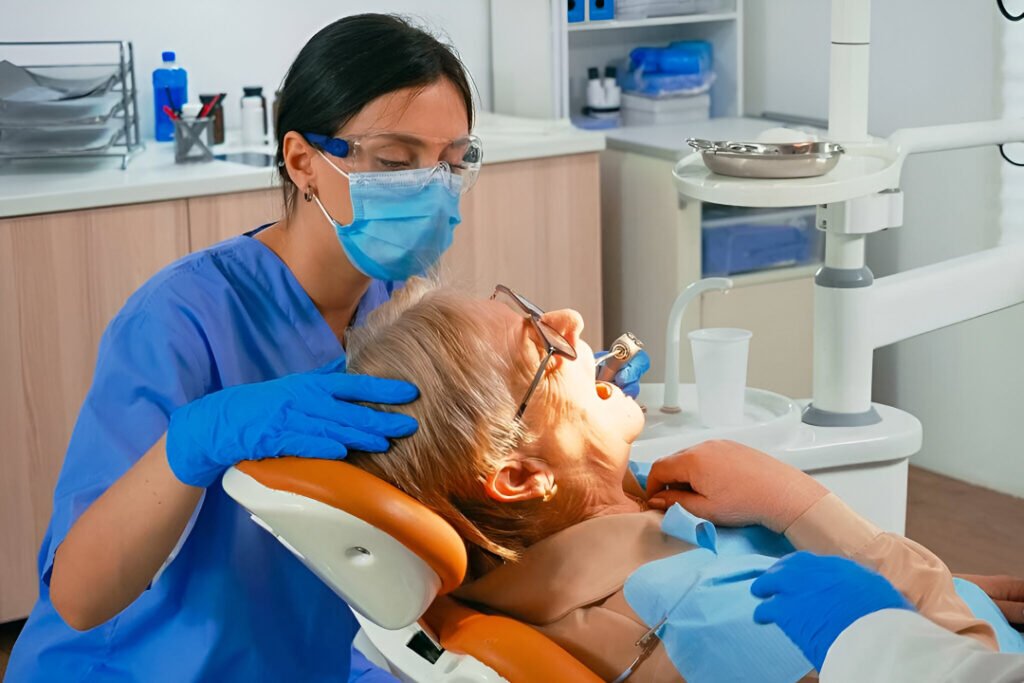
Dental sedation uses medication to help an appropriate patient feel calmer and more comfortable during dental treatment. Depending on the medication and level used, a patient may remain awake and responsive or experience a deeper level of unconsciousness.
Sedation may be considered for people who experience dental anxiety, have a strong gag reflex, find lengthy procedures difficult, require multiple treatments or have had an unpleasant dental experience in the past.
Revita Dentistry explains that dental sedation is intended to help patients remain calm and comfortable and that its approach is tailored to the patient’s needs and treatment type. The clinic currently lists general anesthesia as the type of deeper anesthesia it offers.
It is important to understand that sedation is not the same as local anesthesia.
Sedation primarily addresses relaxation and anxiety.
Local anesthesia numbs a specific area of the mouth to help control pain during a dental procedure.
Depending on your treatment, local anesthesia and sedation or general anesthesia may have different roles within the same overall treatment plan.
The appropriate approach cannot be determined by anxiety alone. Your dental team should consider your medical history, medications, planned procedure and other relevant factors before recommending a sedation or anesthesia option.

Who Can Benefit From Dental Sedation?
Dental anxiety affects people differently. Some patients experience mild nervousness before an appointment, while others postpone or avoid dental care because their fear feels overwhelming.
Sedation may be considered for suitable patients who:
- Experience significant dental anxiety or fear
- Have avoided dental appointments because of nervousness
- Have a strong gag reflex
- Find it difficult to remain comfortable during longer procedures
- Need multiple treatments
- Have sensitive teeth or gums
- Have had a negative dental experience in the past
- Feel particularly anxious about dental instruments or treatment
Revita Dentistry specifically identifies dental anxiety, a strong gag reflex, difficulty sitting still during longer procedures, sensitive teeth or gums, multiple treatments and previous negative dental experiences among situations where sedation may be helpful.
When Should You Consider Dental Sedation?
If dental fear is causing you to delay necessary treatment, it may be time to discuss your concerns with a dentist.
You may want to ask about sedation if:
- You regularly postpone or cancel dental appointments because of anxiety.
- You feel extremely nervous before treatment.
- You have avoided dental care for an extended period.
- You have a strong gag reflex that interferes with treatment.
- You find lengthy procedures difficult to tolerate.
- A previous dental experience has made you afraid of returning.
- You require extensive or multiple dental treatments.
- You are concerned about remaining comfortable during a particular procedure.
Sedation is not automatically the best option for every nervous patient.
Some people can receive dental treatment successfully with reassurance, clear communication, breaks, shorter appointments or other comfort-focused approaches. Others may require a more specific sedation or anesthesia plan.
The purpose of a consultation is to understand your concerns and determine what approach may be appropriate for your individual situation.
If dental anxiety is keeping you from receiving necessary oral healthcare, discussing the problem with your dentist is an important first step.
- CONTACT US
Don’t let tooth pain take over your life.
Whether it’s a scheduled visit or a dental emergency, our Brampton root canal specialists are here to help you smile again — pain-free.
- Address: 10 Beaumaris Dr unit 12, Brampton, ON L6T 0H1, Canada
- +1 (905) 458-9989
- revitadentistry@gmail.com
We offer evening hours, Saturday appointments, and walk-in availability for urgent cases. If your tooth is causing pain, don’t wait for it to get worse — we’re here and ready to help.
General Anesthesia at Revita Dentistry
Revita Dentistry currently states that it offers general anesthesia for patients who require a deeper level of relaxation during dental care. The clinic identifies severe dental anxiety, extensive treatment needs, a strong gag reflex and difficulty remaining comfortable during long procedures as situations in which general anesthesia may be considered.
General anesthesia is different from simply feeling relaxed.
With general anesthesia, the patient is unconscious during treatment. Revita states that anesthesia is administered and continuously monitored by a licensed anesthesia professional and that patients recover in a designated recovery area after treatment.
Whether general anesthesia is appropriate for you depends on your individual circumstances. Your dental and medical information needs to be assessed before treatment.

Is General Anesthesia the Same as Dental Sedation?
No.
Patients sometimes use the word “sedation” to describe any medication-assisted dental experience, but sedation and general anesthesia can involve different levels of consciousness.
The Royal College of Dental Surgeons of Ontario (RCDSO) sets minimum requirements for dentists and authorized physicians administering sedation or general anesthesia in dental practices. Dentists administering sedation or general anesthesia must maintain the appropriate authorization, while dental facilities providing certain levels, including general anesthesia, must meet facility permit requirements.
This distinction matters because the level of consciousness, monitoring and professional requirements can vary according to the technique being used.
Dental Sedation vs. Local Anesthesia
One of the most common sources of confusion is the difference between sedation and local anesthesia.
They are not the same thing.
| Dental Sedation | Local Anesthesia |
|---|---|
| Helps reduce anxiety and promote relaxation | Numbs a specific treatment area |
| May affect alertness depending on the method | Usually does not cause drowsiness |
| Can help appropriate patients tolerate treatment | Primarily helps control pain from the treatment area |
| May involve different levels of consciousness | Produces localized numbness |
| May be considered for certain patients and procedures | Commonly used for procedures involving a specific tooth or area |
For example, a patient may need local anesthesia to numb an area while also requiring an appropriate sedation or anesthesia approach to manage significant dental anxiety.
Your dentist should explain the role of each before treatment so you understand what to expect.

Is Dental Sedation Safe?
While no medical procedure is entirely risk-free, dental sedation is safe when managed under strict clinical protocols. Patient safety relies on careful screening, professional authorization, rigorous monitoring, and proper recovery care.
In Ontario, the Royal College of Dental Surgeons of Ontario (RCDSO) sets mandatory standards for sedation and general anesthesia. Dental providers must maintain active authorizations, and qualifying clinics must hold valid facility permits subject to routine RCDSO inspections.
Your Medical History Matters
A complete health profile ensures your safety. Never assume a condition or medication is irrelevant to dental care. Always disclose:
- Prescription and over-the-counter medications
- Supplements and herbal remedies
- Known allergies or past adverse drug reactions
- Current and past medical conditions
- Previous experiences with sedation or anesthesia
This information determines your candidacy and any necessary precautions.
Continuous Monitoring During Treatment
Monitoring protocols scale with the depth of sedation. Deeper anesthesia requires dedicated oversight; for example, general anesthesia procedures at Revita are continuously managed and monitored by a licensed anesthesia professional from start to finish.

What Happens During a Dental Sedation Appointment?

Discuss Your Concerns
Share specific worries with your dental team, such as needle phobia, dental anxiety, a sensitive gag reflex, past trauma, or fear of pain, so they can tailor care to your comfort level.

Review Your Medical History
Your team reviews your full medical background, current health conditions, and medications to safely determine if sedation or general anesthesia is appropriate for you.

Plan Your Care
Discuss the proposed sedation method, expected awareness levels, preparation instructions, transportation arrangements, and post-procedure activity limits before moving forward.

Recover and Discharge
You will wake up and rest in a designated recovery area before going home, leaving with clear post-operative care and recovery instructions from your dental team.

Undergo Dental Treatment
Once you are fully comfortable and the appropriate level of sedation or anesthesia is verified, your dentist completes the scheduled dental procedures.

Receive Your Anesthesia
Anesthesia is administered based on your tailored plan. For general anesthesia, patients remain fully asleep under continuous monitoring by a licensed anesthesia professional.
How Should You Prepare for Dental Sedation?
Preparation depends on the type of anesthesia and the dental procedure being performed.
Your dental team may provide instructions about:
- Eating and drinking
- Medications
- Arrival time
- Transportation
- Who should accompany you
- What to expect after treatment
- Activity restrictions
- Recovery arrangements
Revita states that patients receiving general anesthesia receive pre-appointment instructions that may include fasting before treatment.
Before Your Appointment
Make sure you:
- Tell your dentist about your medications and health conditions.
- Mention previous sedation or anesthesia experiences.
- Follow all eating and drinking instructions.
- Follow medication instructions exactly as provided.
- Arrange transportation when required.
- Ask questions if any instruction is unclear.
Do not guess about preparation requirements. Contact the dental office if you are unsure what you should do.
Can You Drive After Dental Sedation?
Whether you can drive after dental sedation depends on the medication and level of sedation or anesthesia used.
Sedating medications can affect alertness, coordination and judgment. After deeper sedation or general anesthesia, patients may need someone else to drive them home and should follow their provider’s specific recovery instructions.
Revita’s current dental sedation page states that patients receiving general anesthesia need someone to drive them home and should rest for the remainder of the day.
Arrange transportation before your appointment so you do not need to organize a ride after treatment.
If your dental team tells you not to drive, do not drive yourself home.
Dental Sedation Recovery and Aftercare
Recovery varies according to the type of anesthesia, the treatment performed and individual patient factors.
After treatment, you may be instructed to:
- Rest for the remainder of the day
- Avoid driving
- Avoid operating machinery
- Have a responsible adult accompany you
- Follow dietary instructions
- Take medications as directed
- Follow your dental procedure's aftercare instructions
Revita states that patients undergoing general anesthesia recover in the clinic, need transportation home and should rest for the remainder of the day.
Your recovery instructions are important even if you feel well shortly after treatment. Follow the instructions provided by your dental team rather than relying only on how you feel.
If you have concerns after your appointment, contact your dental provider for appropriate guidance.
Dental Sedation for Different Dental Procedures
Sedation or anesthesia may be discussed alongside different dental treatments when clinically appropriate.
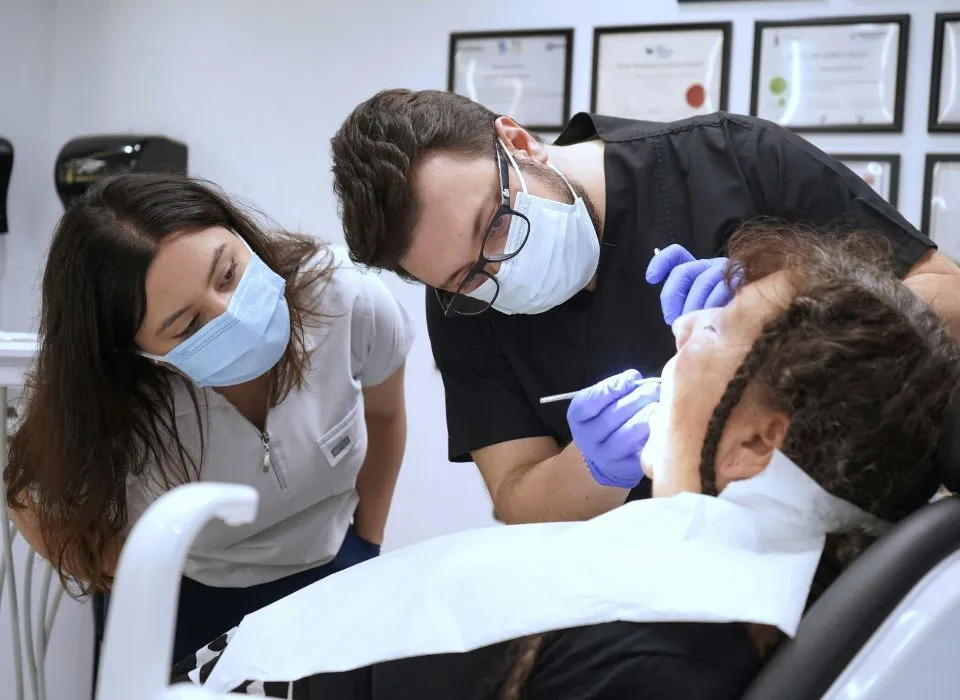
Wisdom Tooth Removal
Wisdom tooth treatment can make some patients nervous, particularly when teeth are impacted or the procedure is more involved. Revita provides Wisdom Tooth Removal in Brampton as part of its dental services. If you are anxious about the procedure, discuss your concerns during your consultation.
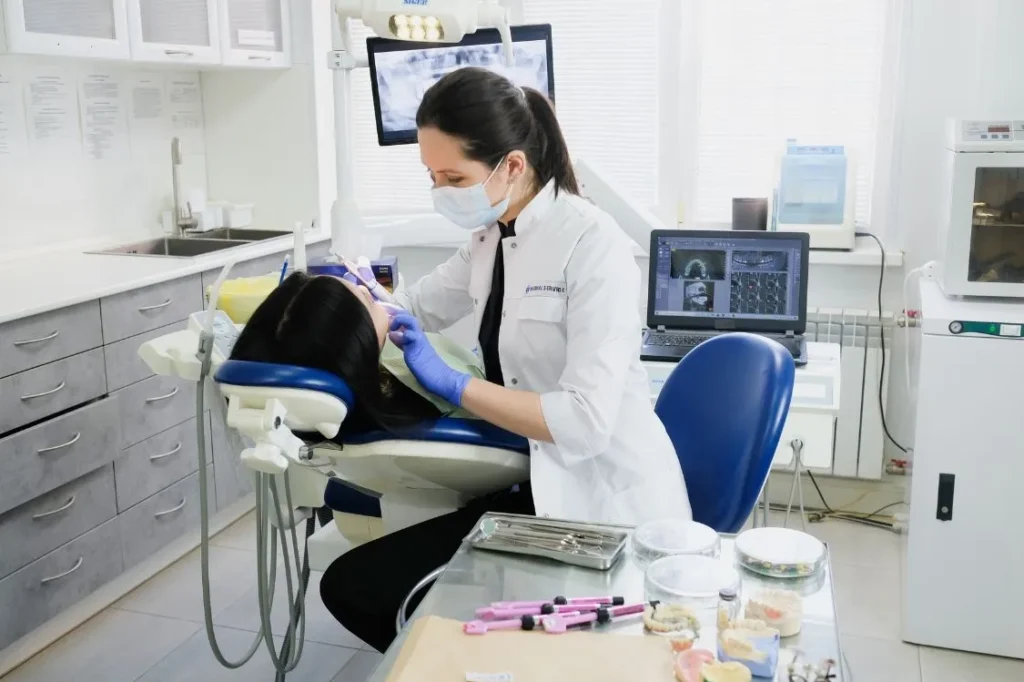
Dental Implants
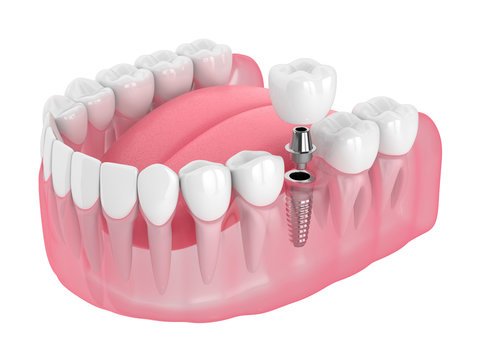
Dental implant treatment involves planning and surgical treatment to replace missing teeth. If you are considering Dental Implants in Brampton and are concerned about anxiety during treatment, tell your dental team. Your comfort concerns can be considered when discussing your treatment options.
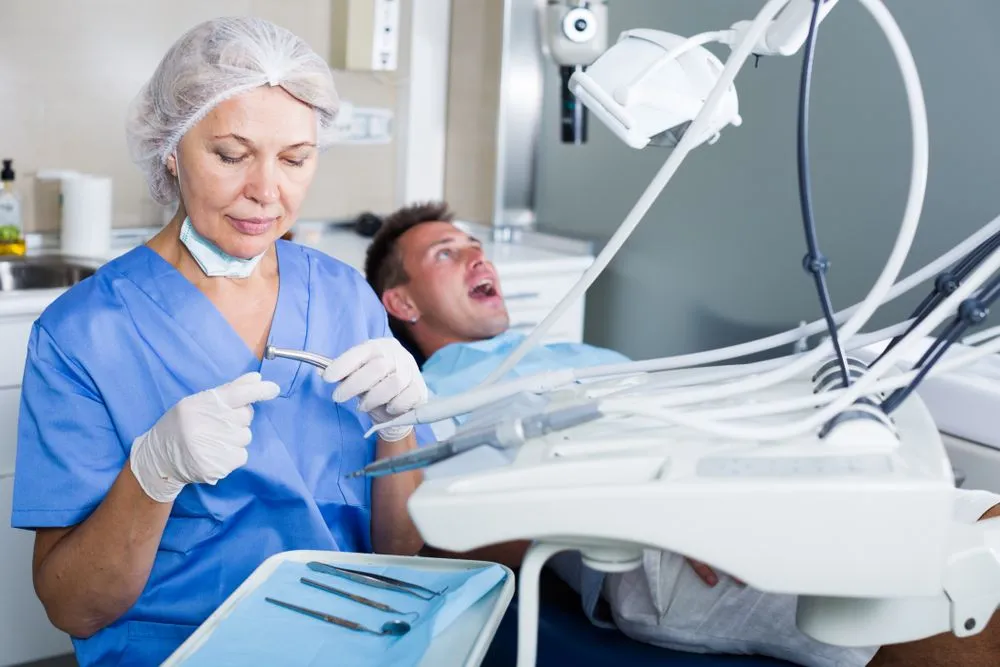
Oral Surgery
Oral surgery can involve procedures involving the teeth, gums or surrounding structures. Patients who are anxious about surgical dental treatment can discuss their concerns before the procedure. Explore Oral Surgery in Brampton to learn more about Revita's surgical dental services.

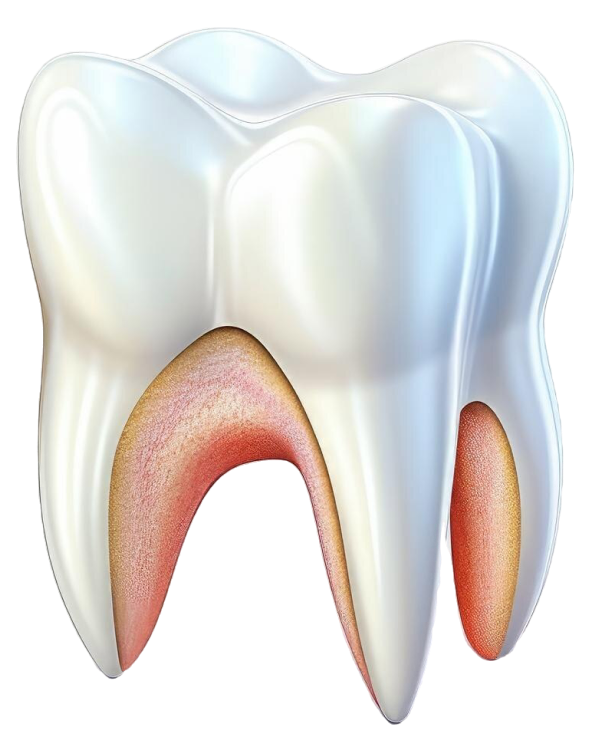
Root Canal Treatment
Root canal treatment is designed to address infection or inflammation inside a tooth while preserving the natural tooth when possible. If dental anxiety is causing you to postpone treatment, tell your dentist. Learn more about Root Canal Treatment in Brampton.

Emergency Dental Care
A dental emergency can be stressful, especially when pain, swelling or an injury is involved. If you need urgent dental attention, visit Emergency Dental Care in Brampton to learn more about your options.

- WHY CHOOSE US ?
Why Choose Revita Dentistry for Dental Sedation in Brampton?
Choosing a dental provider for anesthesia involves more than finding a clinic that mentions sedation.
You should have an opportunity to discuss your concerns, understand your treatment plan and receive clear preparation and recovery instructions.
Why Patients Choose Revita Dentistry

- Patient-Focused Care
- General Anesthesia Available for Appropriate Patients
- Comprehensive Dental Care
- Comfortable, patient-focused environment
- CDCP accepted for eligible patients
- Convenient Brampton location
What Our Patients Say
Patients often tell us that they value our friendly team, clean and modern clinic, clear explanations and gentle approach to treatment. We are grateful to every patient who takes the time to share their experience and help other Brampton families feel more confident choosing a dentist.
Amazing Dental Care Experience! I had a fantastic experience at Revita Dental Clinic! The entire team is incredibly professional, friendly, and truly cares about their patients. From the moment I walked in, I felt welcomed and at ease. The clinic is clean, modern, and well-equipped, and the dentists take the time to explain every step of the process.
⭐️⭐️⭐️⭐️⭐️
Yunika R.
Very clean and hygienic clinic. Dr Afshan is a great dentist, very patient doctor with good knowledge and skills. Did my fillings with ease and in no time. Recommended mouth guard and took impression in the same appointment. Definitely recommend to anyone in need of dentist.
⭐️⭐️⭐️⭐️⭐️
M.M.
Today I visited for teeth cleaning and basic examination. I felt extremely happy and satisfied after visiting and having treatment here. Dr. Afshan and her Staff members are very nice and cooperative.
⭐️⭐️⭐️⭐️⭐️
Ashwin P.
Revita Dentistry Proudly Serving Brampton & Nearby Communities Since 2023
Revita Dentistry provides trusted family, cosmetic, restorative, and emergency dental care for patients across Brampton and surrounding neighbourhoods, making quality dental care convenient and accessible.
Bramalea
Peel Village
Springdale
Downtown Brampton
Heart Lake
Castlemore
Steeles Industrial
Madoc
Dental sedation uses medication to help an appropriate patient feel calmer and more comfortable during dental treatment. The effects vary according to the medication and level used.
Sedation and anesthesia have potential risks, so they require appropriate assessment, professional authorization and monitoring. In Ontario, RCDSO establishes minimum requirements for dentists and authorized physicians administering sedation or general anesthesia in dental practices.
Not necessarily. Different sedation techniques can produce different levels of awareness. Revita currently offers general anesthesia for appropriate patients, which involves being fully asleep during treatment
Patients with significant dental anxiety, a strong gag reflex, difficulty tolerating lengthy procedures, multiple treatment needs or previous negative dental experiences may benefit from discussing sedation or anesthesia with their dentist.
Driving restrictions depend on the type of sedation or anesthesia used. Revita states that patients receiving general anesthesia need someone to drive them home and should rest for the remainder of the day.
Call Revita Dentistry at (905) 458-9989 to discuss your concerns and request a consultation. Your dental team can review your treatment needs and determine whether an anesthesia-assisted approach may be appropriate.
- FREQUENTLY ASKED QUESTIONS
FAQs About Dental Sedation
- VISIT OUR CLINIC IN BRAMPTON
Book a Dental Sedation Consultation in Brampton
Dental anxiety should not prevent you from receiving the care you need.
If fear, a strong gag reflex, previous dental experiences or the thought of a lengthy procedure is making you postpone treatment, speak with the team at Revita Dentistry.
A consultation gives you the opportunity to explain your concerns, understand your options and find out whether sedation or general anesthesia may be appropriate for your situation.
Call Revita Dentistry at (905) 458-9989 to discuss your dental sedation options.